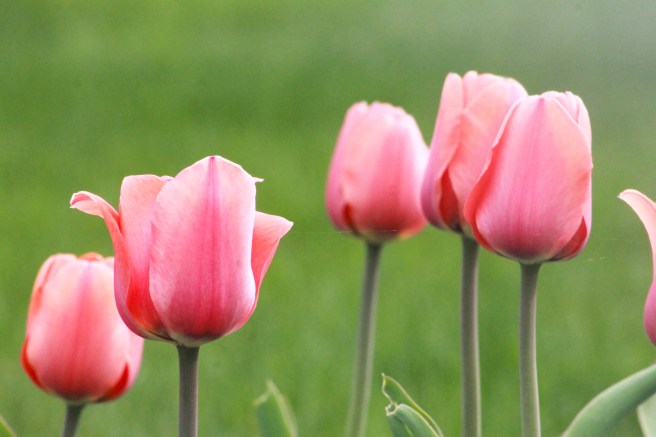
 You watched them get planted. You watched them grow up through the snow. It only seemed fair that you should get to watch them bloom, too!
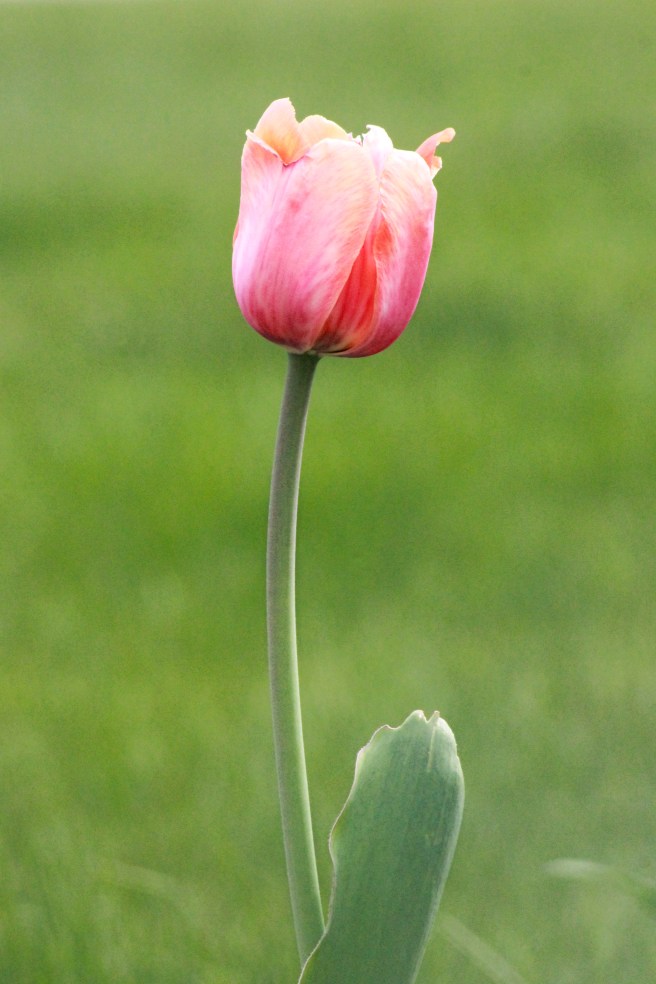 This story wouldn’t be complete, however, unless I told you about the very last piece of adversity they had to come through to reach this glorious moment of full bloom.
 Yep. This would be the guilty culprit, caught in the act of walking nonchalantly into our front yard in broad daylight. No shame whatsoever.
One morning, I looked out the front window at my flower garden as usual, and my jaw dropped open. There were literally half as many tulips in the garden as there had been the day before. I guessed that it had been the deer even before I ran out and found the cloven hoof prints clearly defined in the soft garden dirt.
I wasn’t about to watch the tulips I had waited for all winter be systematically consumed by deer who have the entire national forest at their disposal for dinner, without even getting to watch them bloom! Where there is a will, there is a way—and bird netting was the answer.
A few days later, under their protective veiling, fat buds on the surviving plants emerged and blushed coral-pink. Yesterday I took it off for good, as they opened their glowing petals to the morning sunshine for the very first time. They had persevered through winter, unexpected spring snowstorms and foraging deer—and somehow that made the triumph all the more joyful!
“Count it all joy, my brothers, when you meet trials of various kinds, for you know that the testing of your faith produces steadfastness. And let steadfastness have its full effect, that you may be perfect and complete, lacking in nothing.” (James 1:2-4)
“Blessed is the man that endureth temptation: for when he is tried, he shall receive the crown of life, which the Lord hath promised to them that love him.” (James 1:12)
 One of the earliest, loveliest flowers of spring is the pasque flower. While it doesn’t appear naturally up here in the northwoods, you have only to drive west to the prairies to find it growing wild and free in its native habitat. It’s also known as ‘wild crocus’—but I have to say I prefer it’s French name. I like the appropriate sophistication it lends to such a lovely bloom—but even more, I appreciate a deeper significance to the name that is likely lost on most people.
 Dare I say that the celebration of Passover holds even more significance for me as a Christian than for any Jew? Hallelujah!
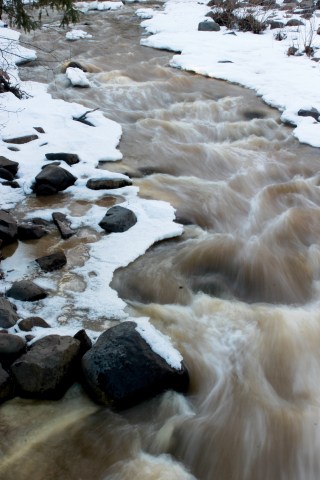 We were standing at the edge of a steep bank. Late afternoon sunlight slanted gold through pine branches over our heads, highlighting the moist hummocks of brilliant green moss creeping along the slanting forest floor. Below us, a river, satiated with a deluge of rapidly melting snow, rushed it’s wild, joyful way down to bigger waters.
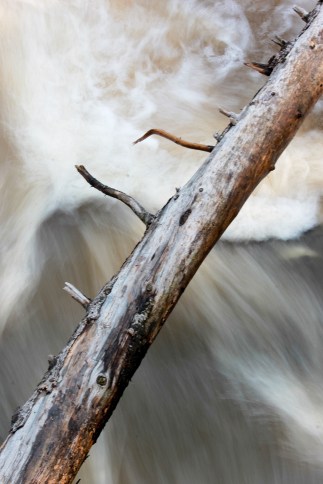
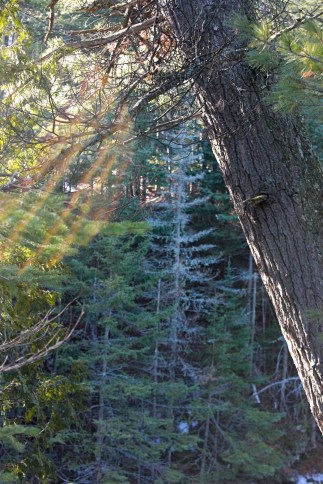 The music of its abundant fullness reminded me of this verse: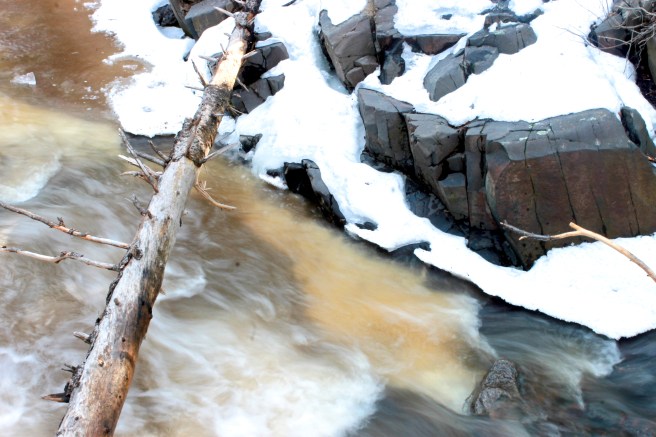
 I’ve heard him call the question distinctively across the lake at dusk before. Or sometimes its from the swamp along the winding stream bed across the field.
 The pussy willows popped out early this year during a premature but short-lived warm spell, and have since seemed to be somewhat frozen in time as they wait for the warm weather to return. I happened upon these while I was walking along a stream stalking an otter, who I’m pretty sure was laughing at my clumsy attempts to avoid detection. He wasn’t interested in having his picture taken. These spring beauties were much more obliging, however, and I was happy to come home from my photographic ramblings not entirely empty-handed!
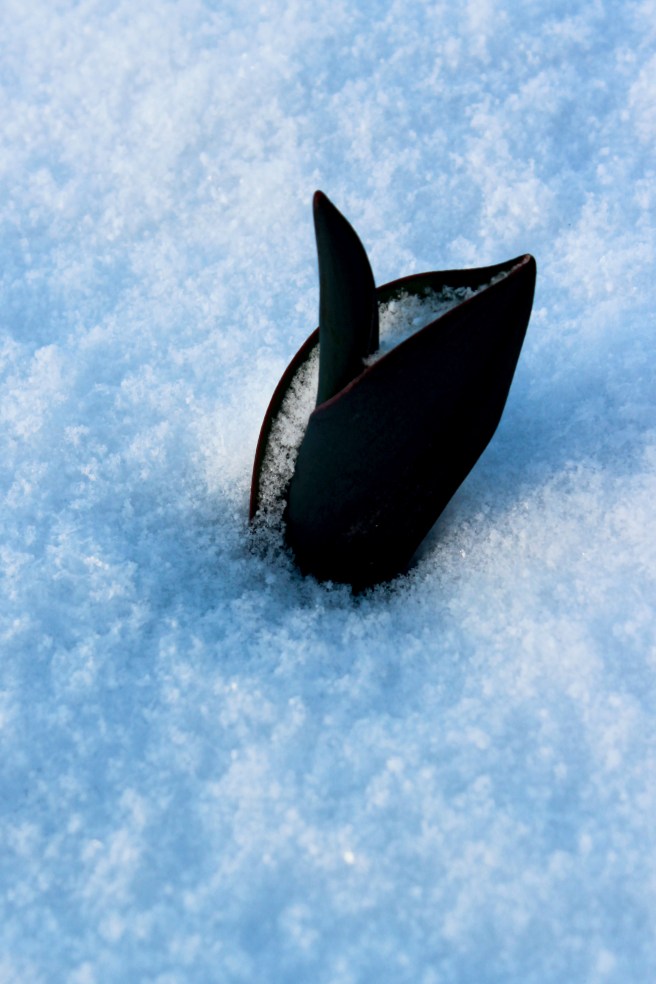 So—remember those
 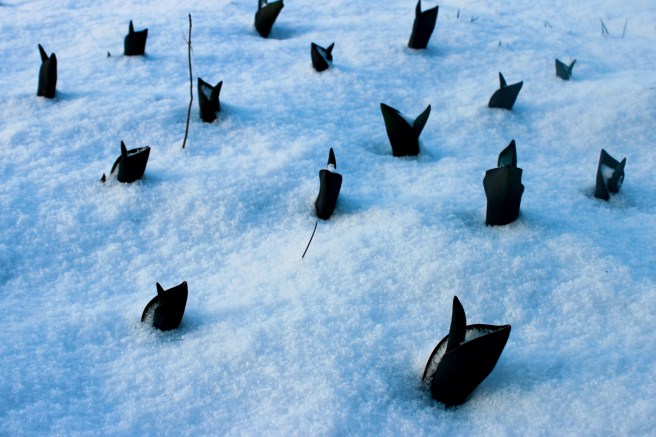 Some days, as Paul goes on to admit, are harder than others (and trust me, the hardships he had to face would make this unpleasant sick day at home seem like a picnic in the park!),
 Whenever I watch green shoots rise from dry, brown bulbs buried in the earth and burst into triumphant bloom, it’s hard not to see a picture of the Resurrection.
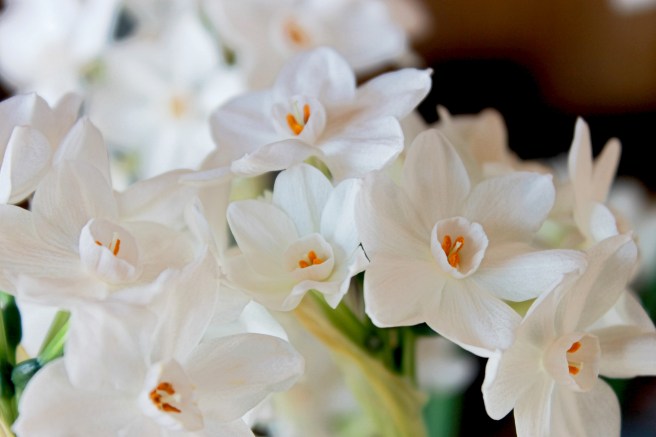 At first I was disappointed. But then, as I sat in the sun porch the next morning, watching a wet and pearly gray dawn wash over the dining room table still wearing it’s candles and best white tablecloth from Sunday’s celebration, I suddenly realized that it was okay after all. Maybe, even, it was for the best.
 There’s nothing quite like seeing the beauty of nature through the wonder-filled eyes of a child…
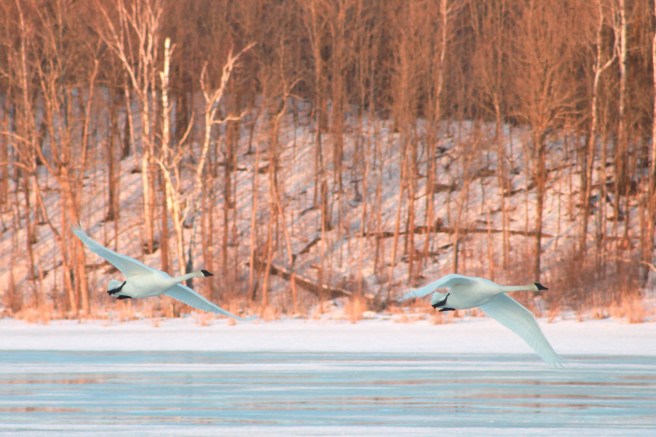 I must say that reading E.B. White’s whimsical classic, “The Trumpet of the Swan”, as a young girl did little to prepare me for hearing the real trumpet of a swan for the first time. Up until I got married, I had barely even seen a swan in the wild, let alone heard one. I thought it would be something like the honking of the Canadian geese that always flew over my childhood home in the spring and fall. I had no idea.
 Then, I got married and moved here—and the swans suddenly became an integral part of our lives. The first spring, we watched them perform their spectacular mating dances on the river outside of the front windows of the little resort cabin we called a temporary home. They showed up at our next home, too, where they nested on the lake our neighbors had access to. We never actually saw them, but the sound of their great beating wings and calls echoed over to us tantalizingly all summer long. And then we moved to our current home, and soon learned, to our great delight, that the little lake our farm bordered was the valiantly defended private nesting grounds of yet another pair of swans.
 I stopped what I was doing and just listened for a few minutes, thrilling to the sound. The silence of winter was over; the trumpeting prelude to the grand symphony of spring had officially begun. It was glorious!
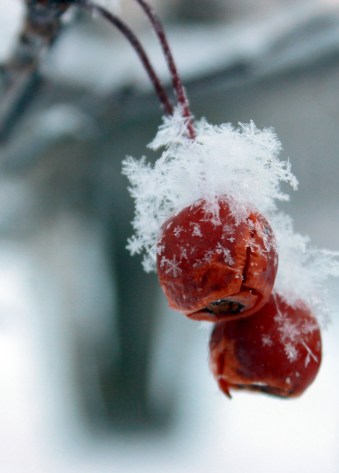
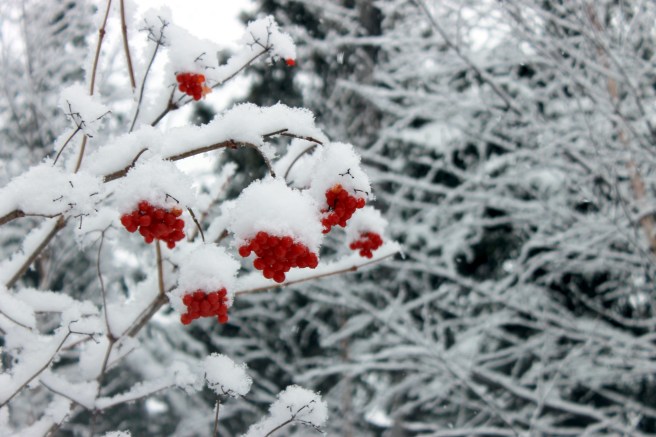
 I’m sitting here, gazing out the window, watching lazy flakes drift to the ground, gently highlighting the forms of dark spruce across the field. It seems strange that they’re forecasting temperatures above freezing for the next couple weeks, which means our world of white may soon be turning to soggy brown. But it’s March, after all, that indecisive in-between month that (where I live) is never quite winter, never quite spring.


 Rejoicing Hills