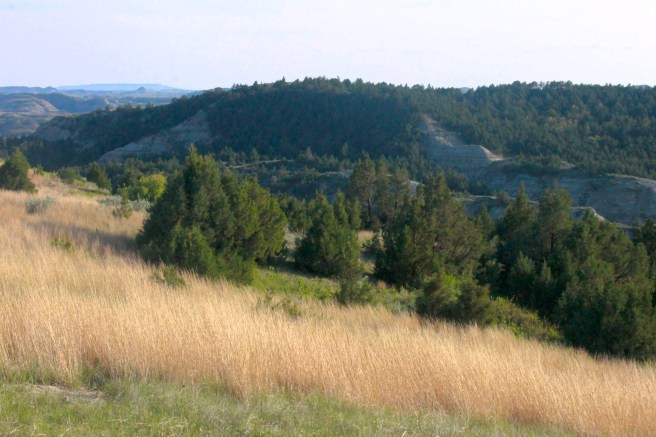
 For all the outdoor beauty we enjoy here in Minnesota, I must admit that there is one thing we’re a little short on, and that’s the long view. I do love all our trees, but thanks to those thick forests the places where you can stand and see for miles are somewhat few and far between. Which is why, when I travel to places like North Dakota and Montana as we had the opportunity to do this last month, I can hardly get enough of those endless scenic vistas. I love to see the beautiful, raw curves and contours of the land, love to see distant hills fading away in shades of blue and purple to the horizon, love the way those vistas kindle my imagination with the possibilities of what may lie even further beyond.
It’s in moments like those that I sometimes find myself wishing that life itself was a little more like standing on the edge of a continual scenic vista and not quite so much like plugging along through the thick forest with no idea what’s around the next bend. You know, being able to see into the future and knowing the purpose and end result of things instead of always wondering. Have you ever wished for that, too?
In some ways, that’s just how it is to be human. We aren’t all-knowing or all-seeing like God is. That’s why we have to trust in Him and lean not on our own understanding, because He’s the only one who can see the long view. That necessary dependence is part of the beauty of our relationship with Him.
Yet recently I happened upon a passage in His Word that, interestingly, does promise a certain amount of special vision for the righteous. In this particularly beautiful chapter in Isaiah, “sinners in Zion” and “the godless” are terrified after hearing of God’s promised judgement and ask:
“Who among us can live with the consuming fire? Who among us can live with continual burning?” (“burning” being a picture of the judgement that is prophesied to come) And God answers with that beautiful balance of justice and mercy befitting His character: “‘He who walks righteously and speaks with sincerity…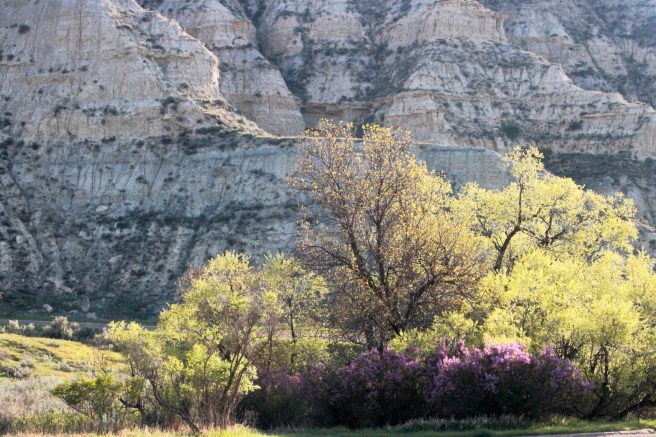
…he who rejects unjust gain and shakes his hands so that they hold no bribe…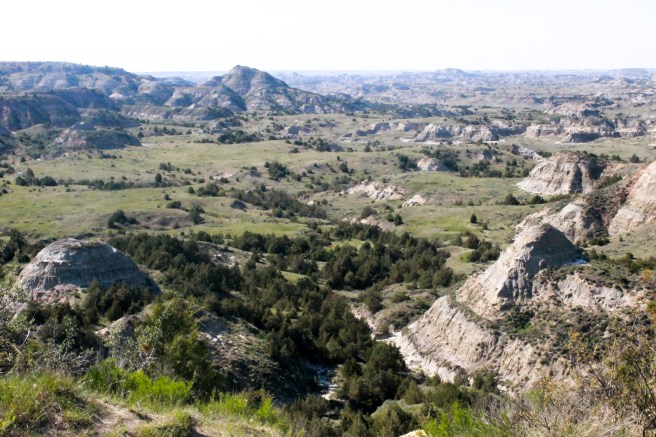
…he who stops his ears from hearing about bloodshed and shuts his eyes from looking upon evil…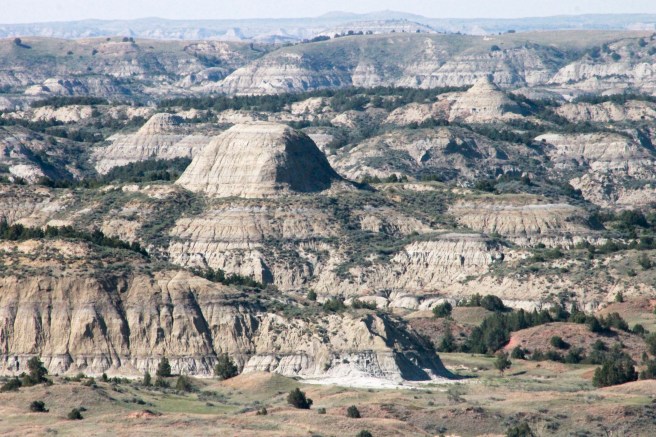 …he will dwell on the heights, his refuge will be the impregnable rock…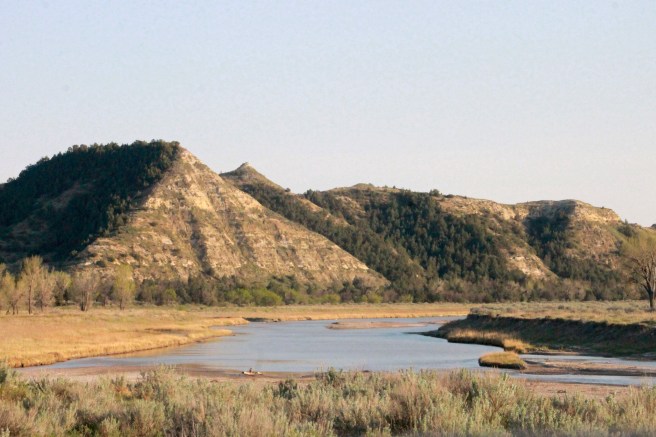
 …his bread will be given him, his water will be sure…
 …your eyes will see the King in His beauty; they will behold a far-distant land.'” (Isaiah 33:14-17)
That last little line is my very favorite part. Isn’t it beautiful? To those who walk according to His ways, He does give, among many other wonderful gifts, without negating our need to walk in faith, a glimpse of that long view and those distant horizons, or, as another translation puts it “the land that stretches afar”.
He’s not talking about physical scenic vistas here, breathtaking as those are. I don’t even think He’s necessarily talking about knowing the future. Instead, He’s promising the righteous spiritual eyes to see above and beyond the figurative forests humankind stumbles through, and to see instead His ways and His will—and ultimately, to see to the farthest horizon where the glory of eternity with Him awaits. To see things from His perspective. It’s like being given a pair of God-shaped binoculars. And, really, can you think of anything more breathtaking?
P.S. Yes, this trip out west is the reason you haven’t heard from me here in a while—but my camera was busy while we were away. Stay tuned for more soon!
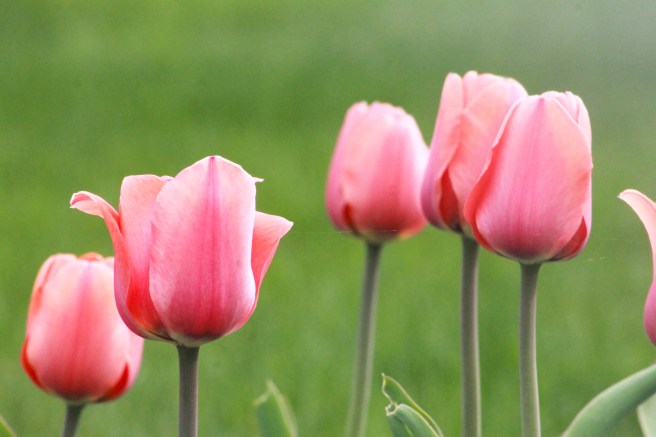 You watched them get
 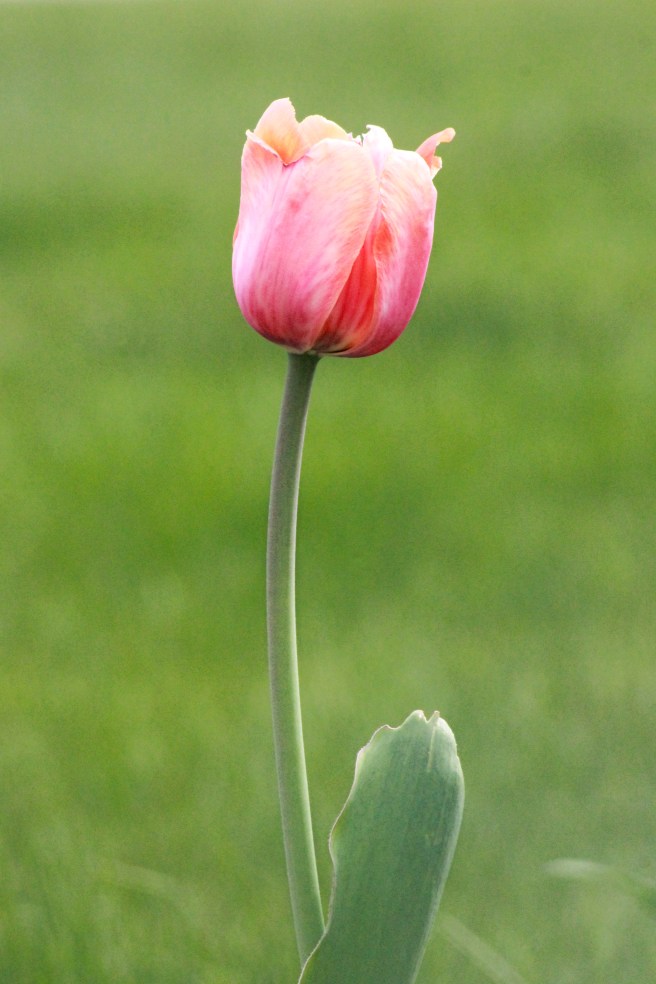 This story wouldn’t be complete, however, unless I told you about the very last piece of adversity they had to come through to reach this glorious moment of full bloom.
 Yep. This would be the guilty culprit, caught in the act of walking nonchalantly into our front yard in broad daylight. No shame whatsoever.
 One of the earliest, loveliest flowers of spring is the pasque flower. While it doesn’t appear naturally up here in the northwoods, you have only to drive west to the prairies to find it growing wild and free in its native habitat. It’s also known as ‘wild crocus’—but I have to say I prefer it’s French name. I like the appropriate sophistication it lends to such a lovely bloom—but even more, I appreciate a deeper significance to the name that is likely lost on most people.
 Dare I say that the celebration of Passover holds even more significance for me as a Christian than for any Jew? Hallelujah!
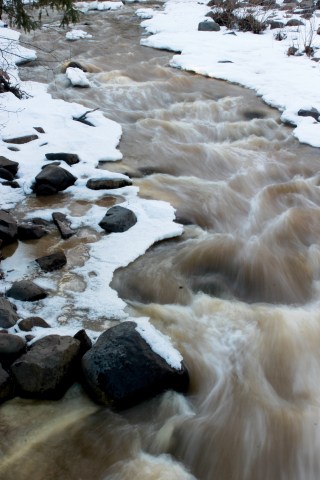 We were standing at the edge of a steep bank. Late afternoon sunlight slanted gold through pine branches over our heads, highlighting the moist hummocks of brilliant green moss creeping along the slanting forest floor. Below us, a river, satiated with a deluge of rapidly melting snow, rushed it’s wild, joyful way down to bigger waters.
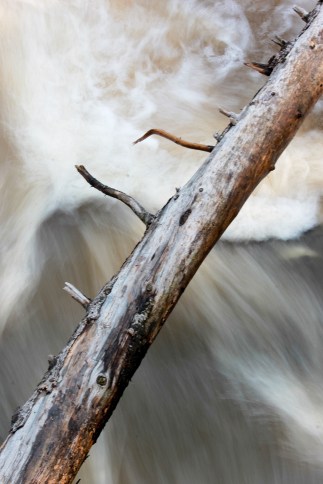
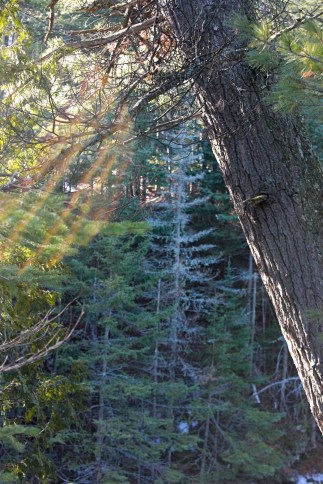 The music of its abundant fullness reminded me of this verse: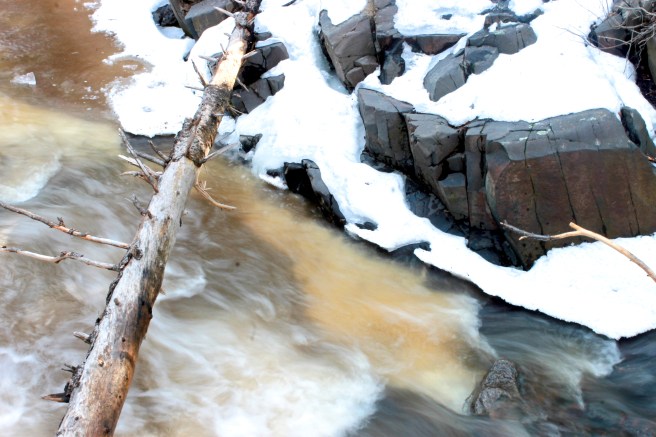
 I’ve heard him call the question distinctively across the lake at dusk before. Or sometimes its from the swamp along the winding stream bed across the field.
 The pussy willows popped out early this year during a premature but short-lived warm spell, and have since seemed to be somewhat frozen in time as they wait for the warm weather to return. I happened upon these while I was walking along a stream stalking an otter, who I’m pretty sure was laughing at my clumsy attempts to avoid detection. He wasn’t interested in having his picture taken. These spring beauties were much more obliging, however, and I was happy to come home from my photographic ramblings not entirely empty-handed!
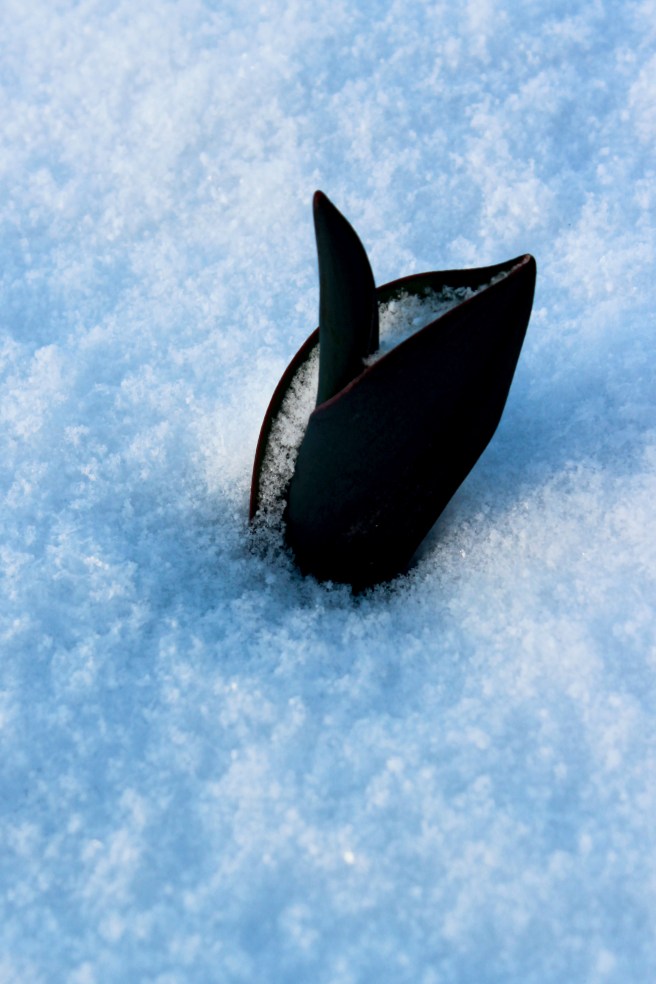 So—remember those
  Some days, as Paul goes on to admit, are harder than others (and trust me, the hardships he had to face would make this unpleasant sick day at home seem like a picnic in the park!),
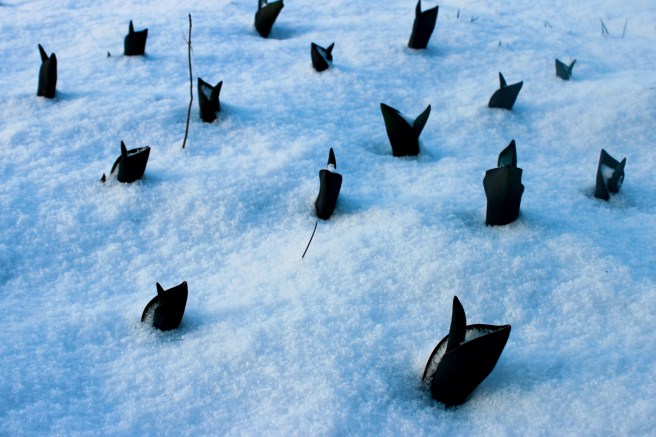
 Whenever I watch green shoots rise from dry, brown bulbs buried in the earth and burst into triumphant bloom, it’s hard not to see a picture of the Resurrection.
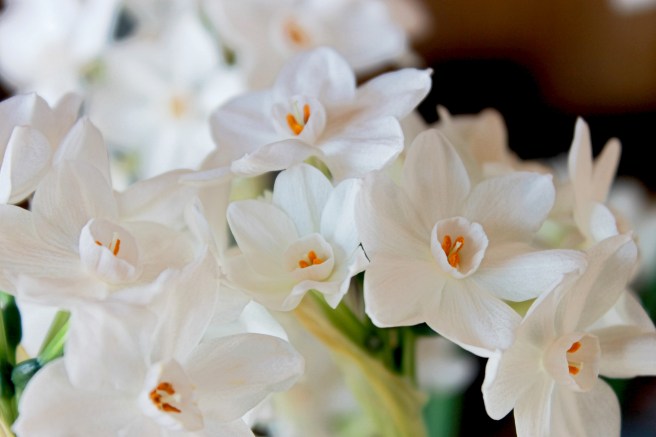 At first I was disappointed. But then, as I sat in the sun porch the next morning, watching a wet and pearly gray dawn wash over the dining room table still wearing it’s candles and best white tablecloth from Sunday’s celebration, I suddenly realized that it was okay after all. Maybe, even, it was for the best.
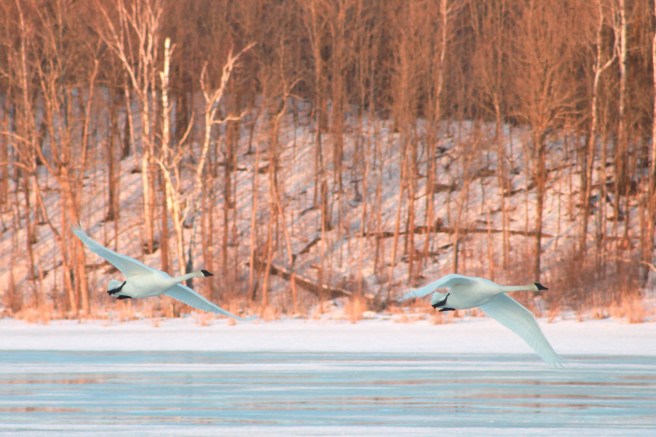 I must say that reading E.B. White’s whimsical classic, “The Trumpet of the Swan”, as a young girl did little to prepare me for hearing the real trumpet of a swan for the first time. Up until I got married, I had barely even seen a swan in the wild, let alone heard one. I thought it would be something like the honking of the Canadian geese that always flew over my childhood home in the spring and fall. I had no idea.
 Then, I got married and moved here—and the swans suddenly became an integral part of our lives. The first spring, we watched them perform their spectacular mating dances on the river outside of the front windows of the little resort cabin we called a temporary home. They showed up at our next home, too, where they nested on the lake our neighbors had access to. We never actually saw them, but the sound of their great beating wings and calls echoed over to us tantalizingly all summer long. And then we moved to our current home, and soon learned, to our great delight, that the little lake our farm bordered was the valiantly defended private nesting grounds of yet another pair of swans.
 I stopped what I was doing and just listened for a few minutes, thrilling to the sound. The silence of winter was over; the trumpeting prelude to the grand symphony of spring had officially begun. It was glorious!


 Rejoicing Hills