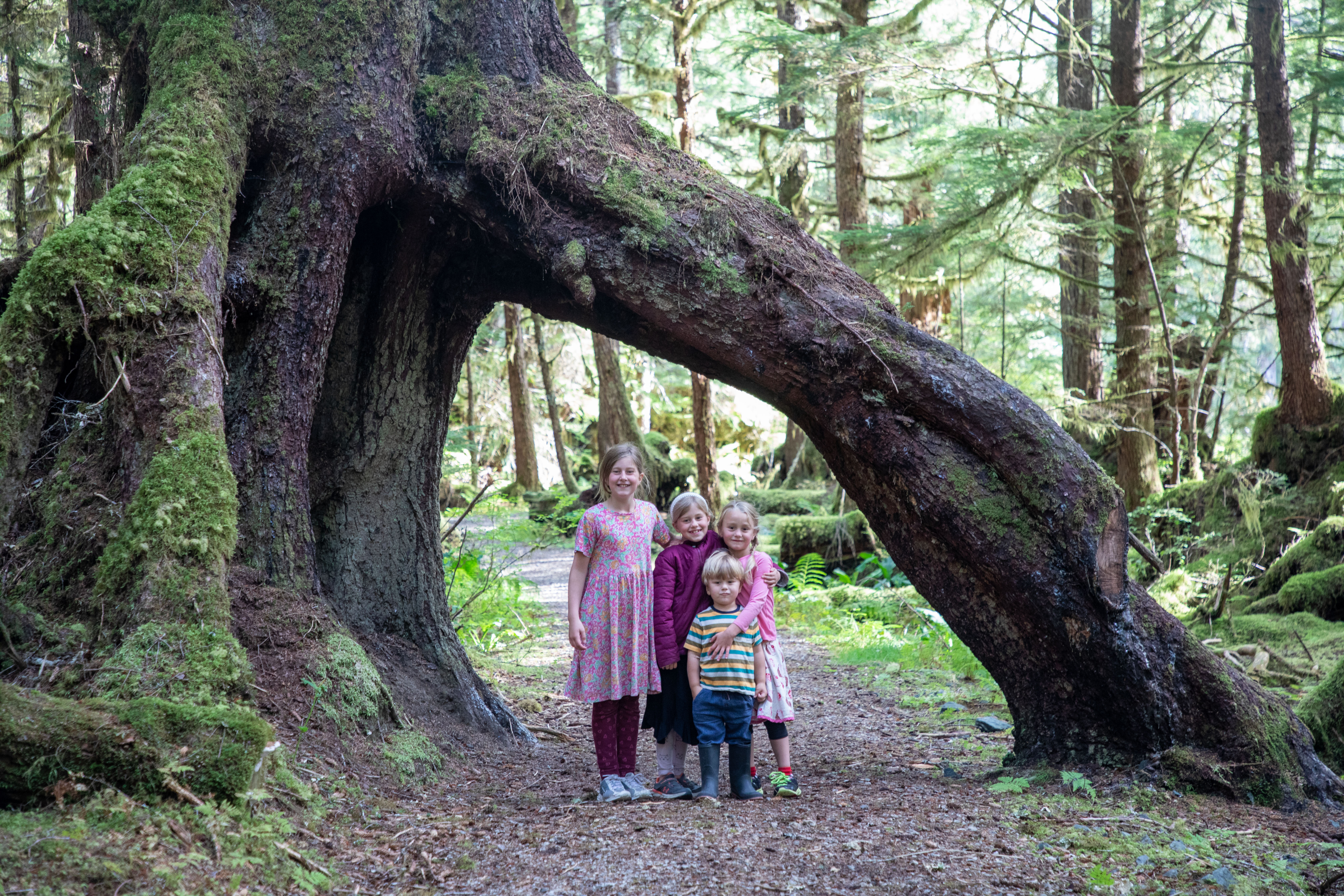
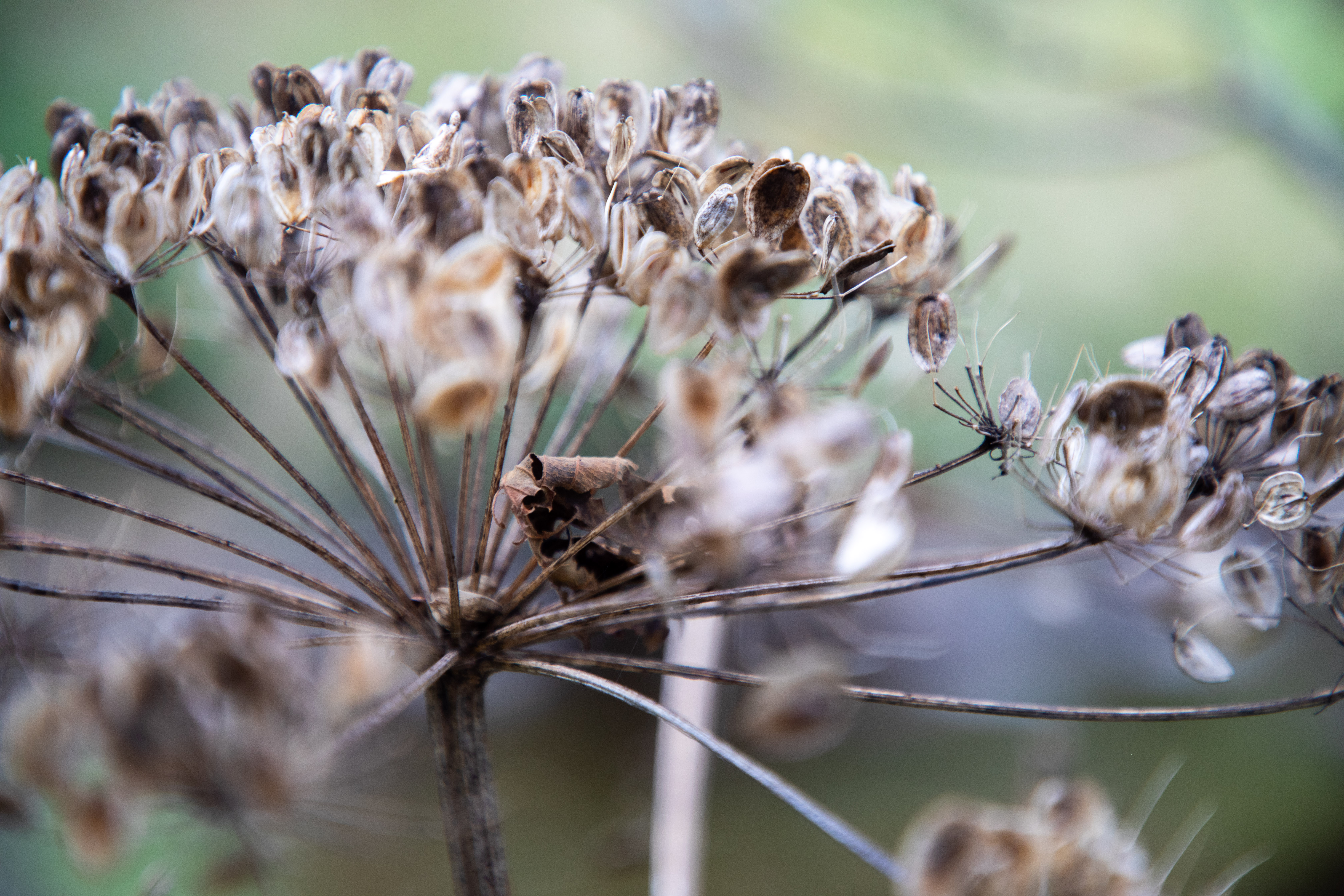
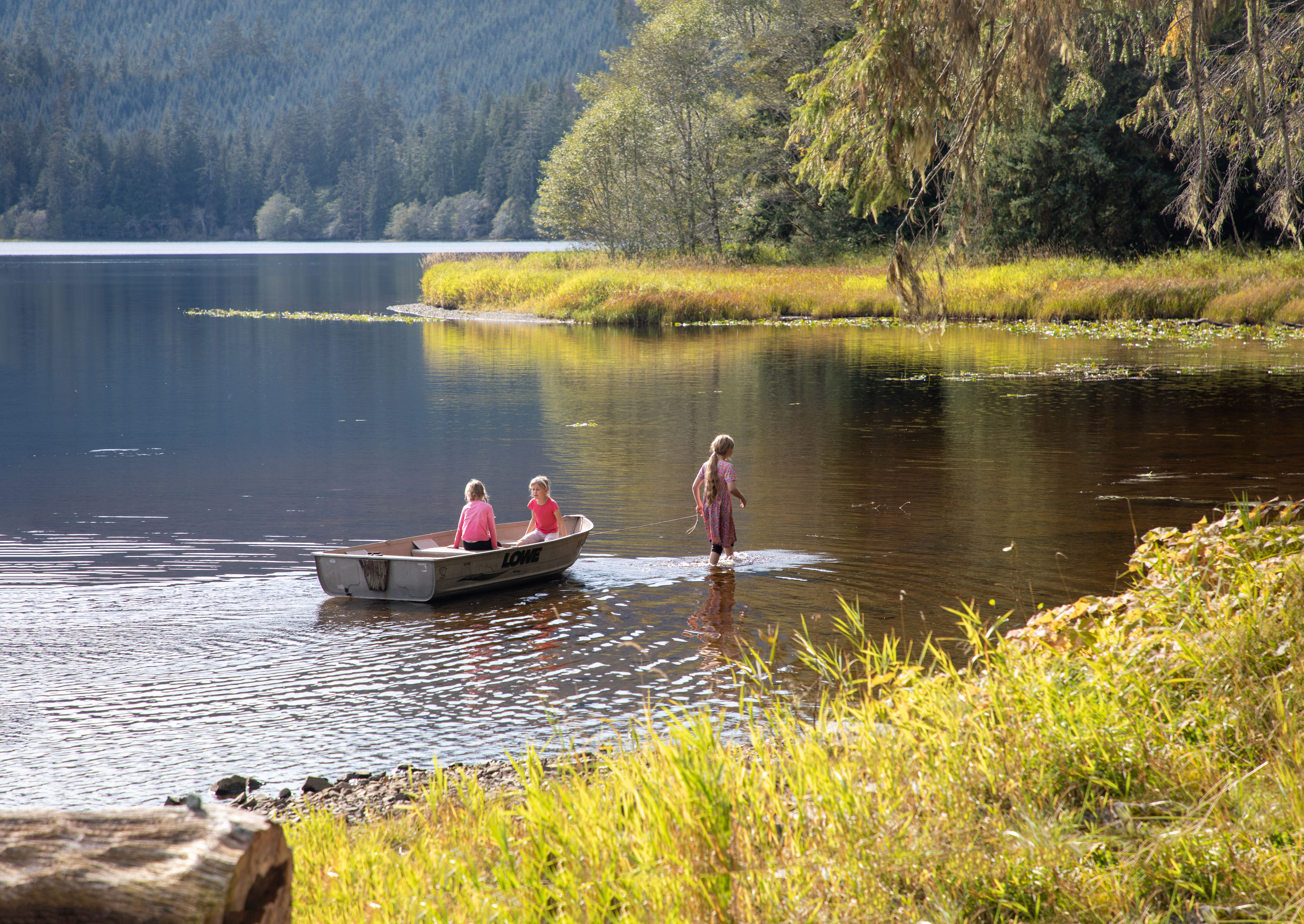
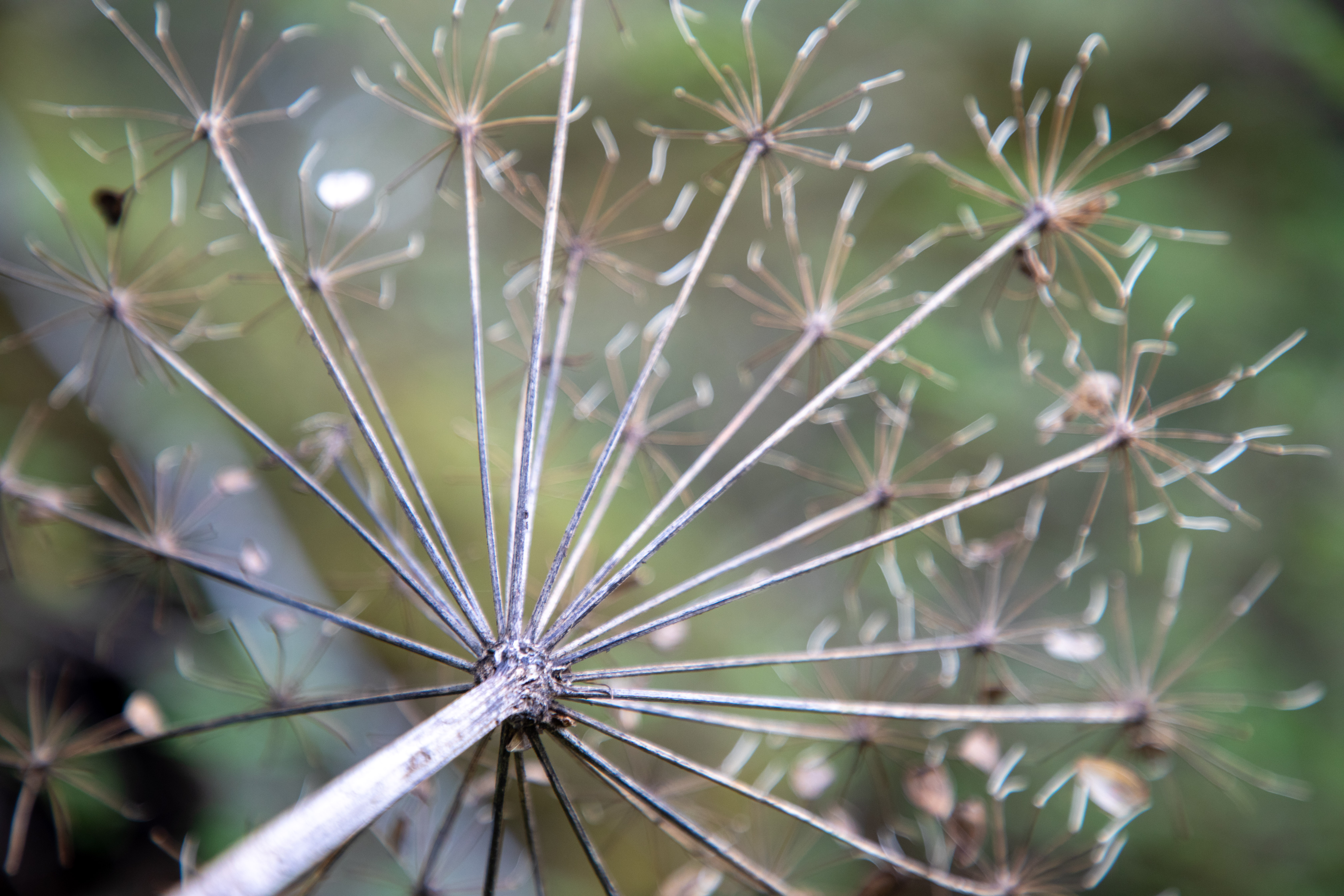
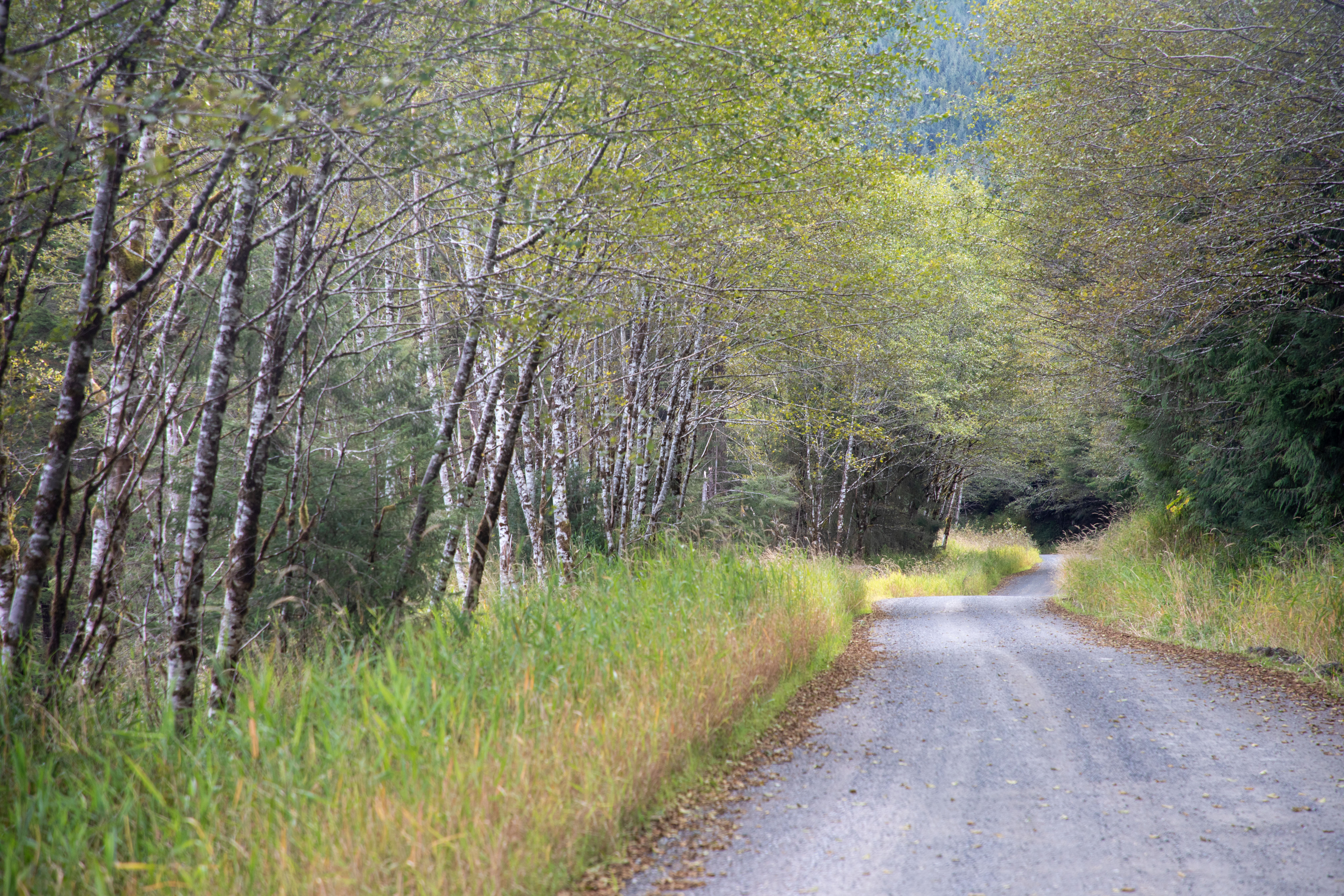
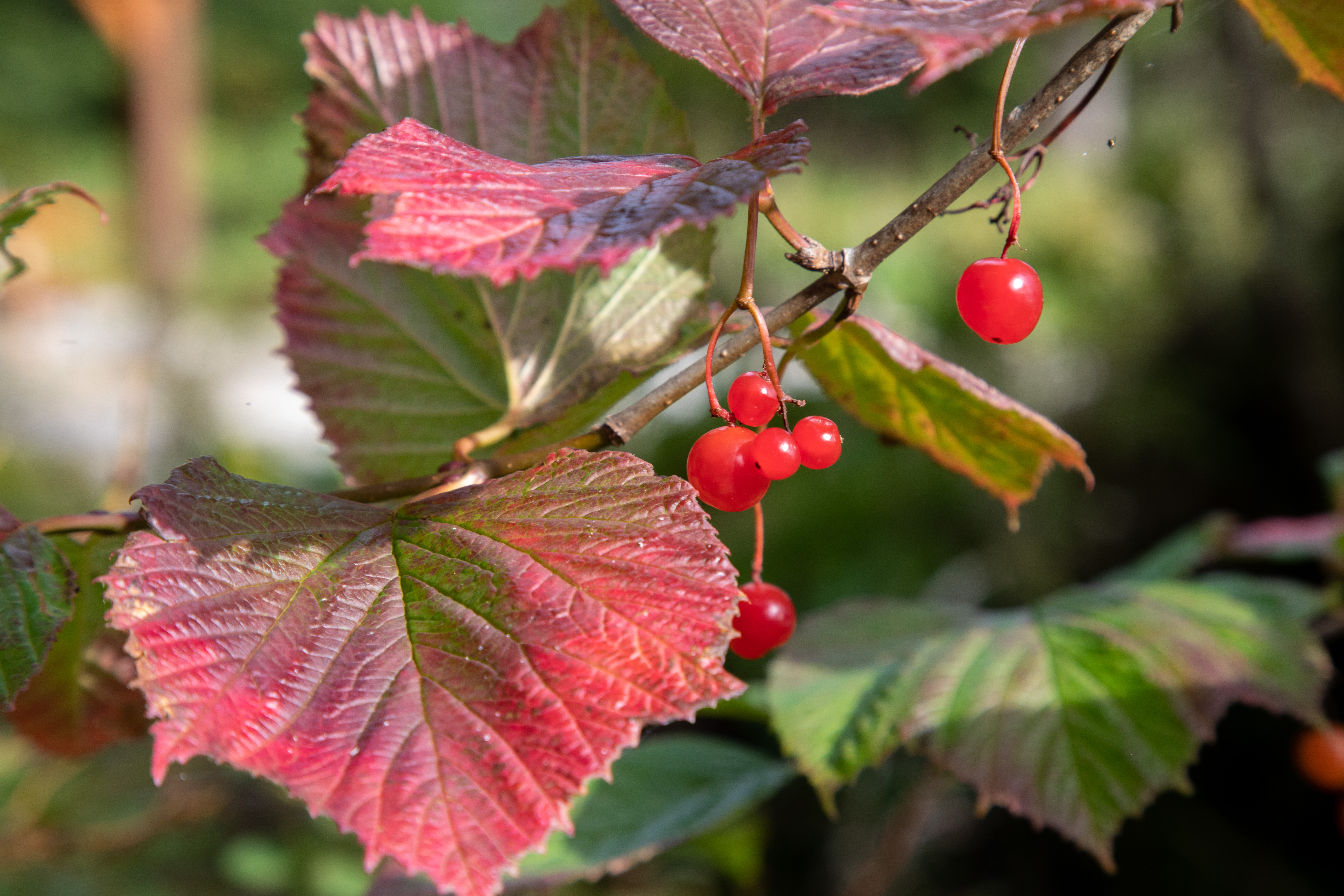
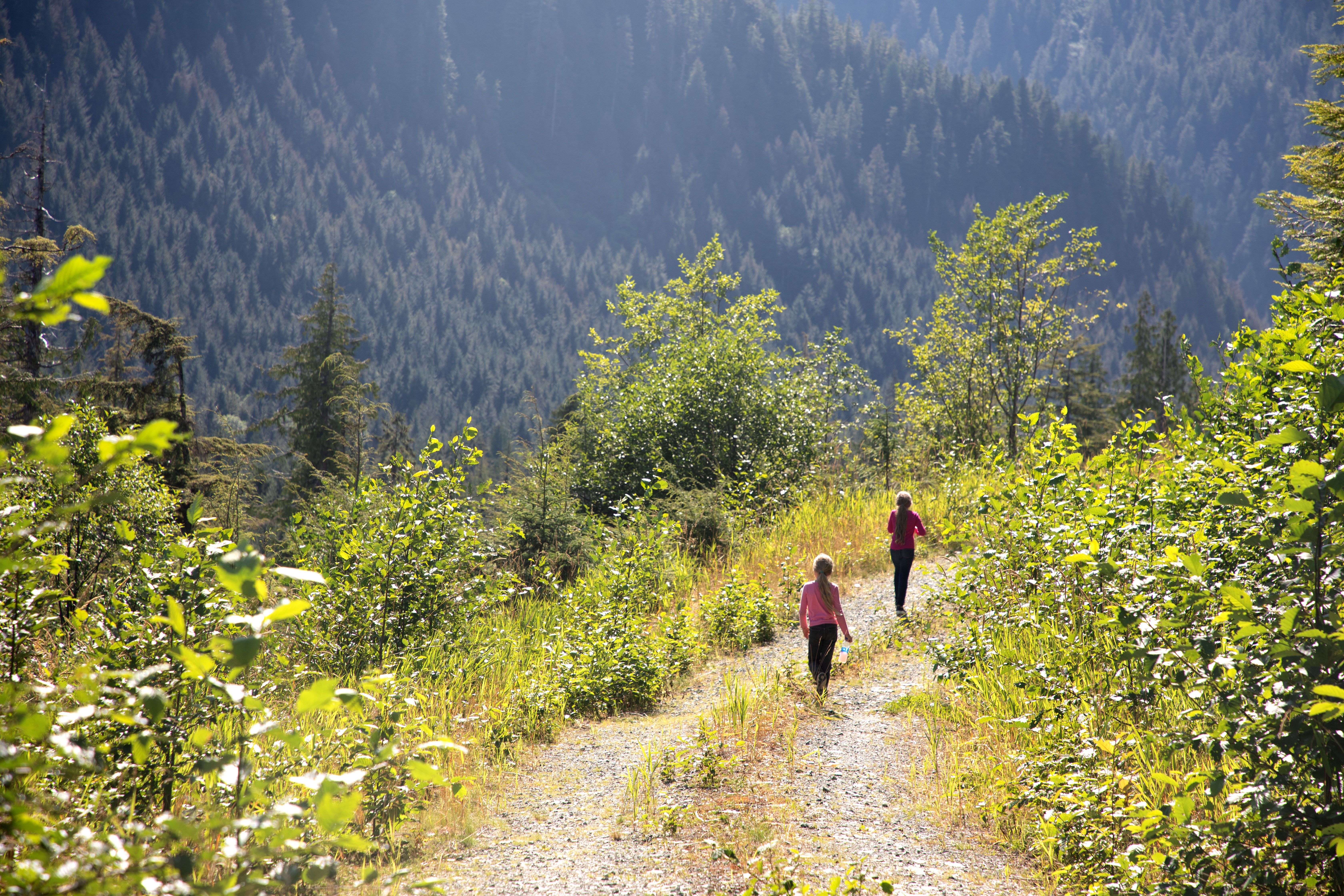
This week we took a little school field trip up to Luck Lake where we did some hiking and had a picnic. It was a lovely fall day for some nature study out in the wild. I found and identified highbush cranberries, the leaves were fluttering down from the alders, and the pushki (cow parsnip) were making stunning dried floral arrangements wherever we looked.
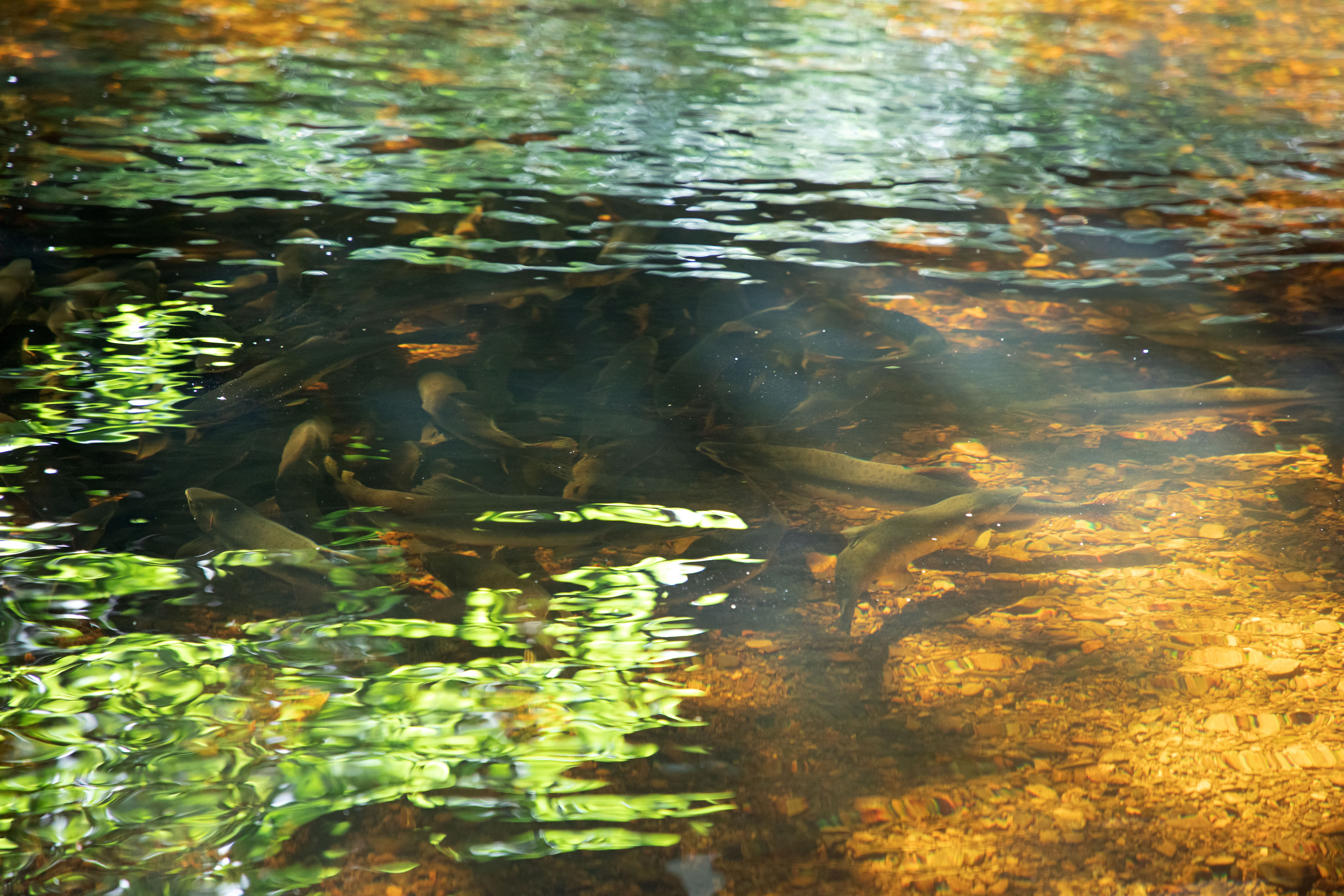
The winding road between there and Thorne Bay is nothing but wilderness, and crosses multiple salmon streams. We paused on each bridge to observe the water below us teeming with fish intent on spawning, marveling at the spectacle. The life cycle of the salmon has fascinated me since I watched “The Wonders of God’s Creation” as a child, but what a gift it is to be able to observe part of that cycle in person.
Did you know salmon are anadromous? That means they hatch in freshwater, migrate to salt water, then return to the same fresh water they hatched from to spawn. It was a cool big word to teach my students this week.
“The earth is the LORD’s, and the fullness thereof, the world and all who dwell therein.” (Psalm 24:1)
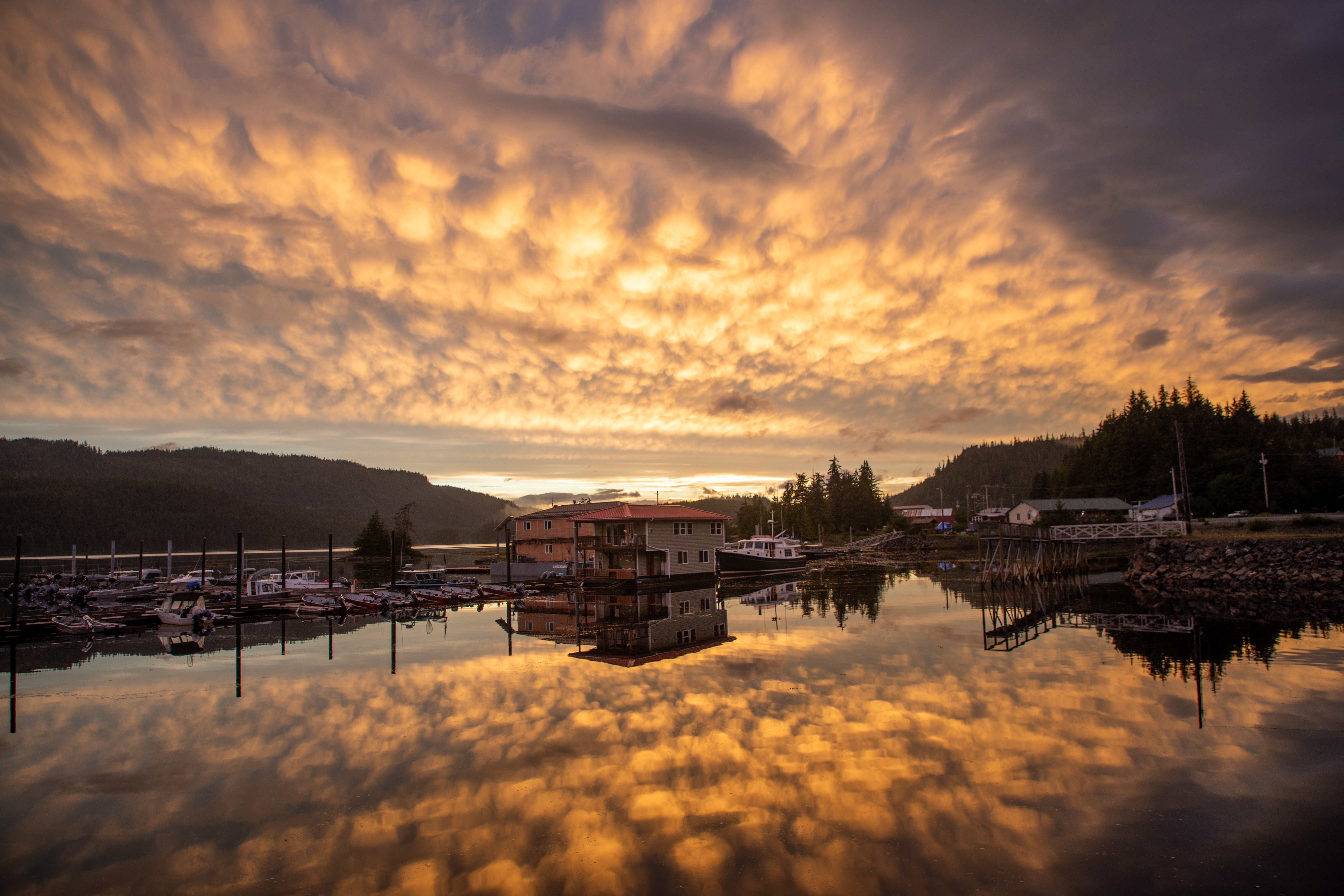
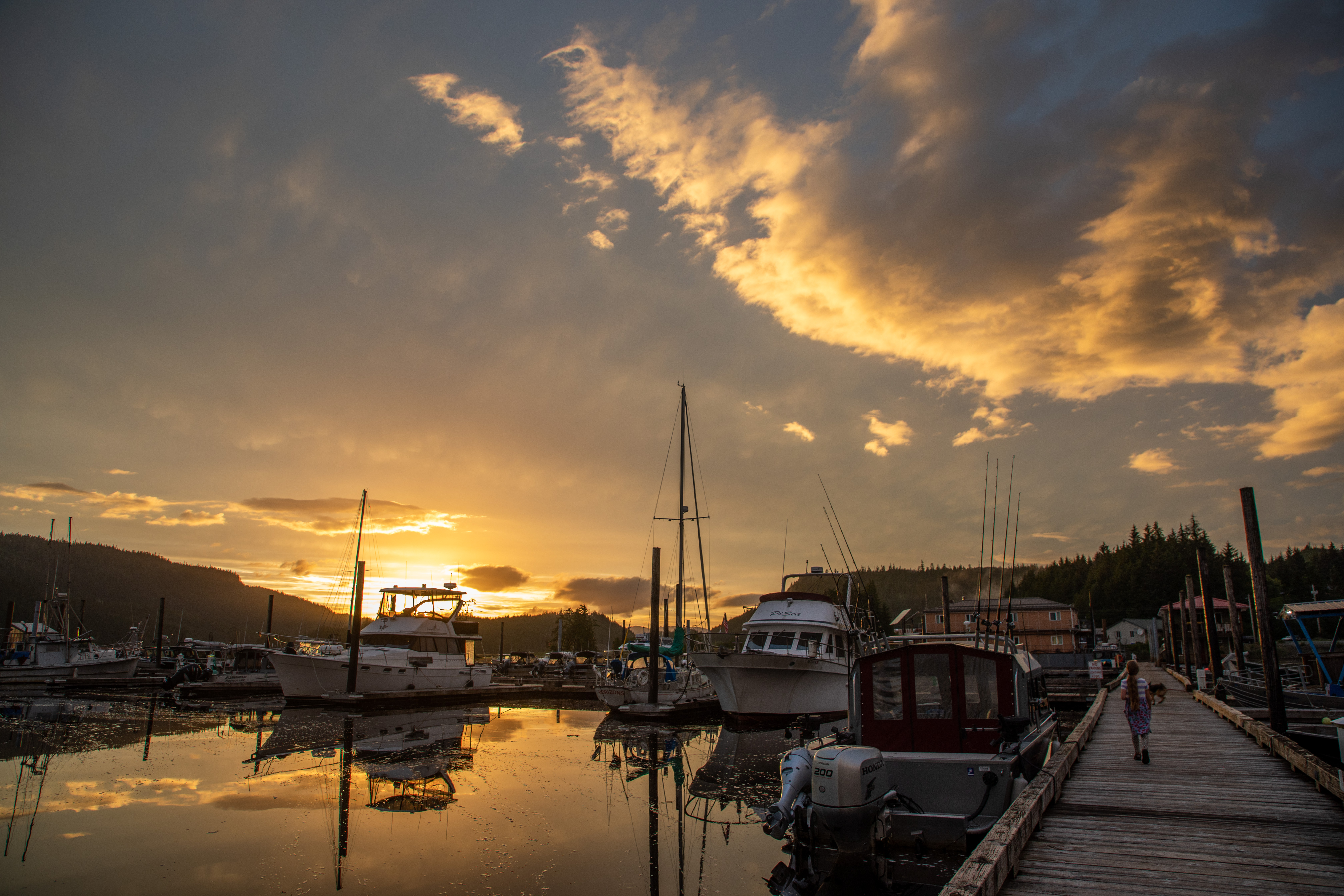
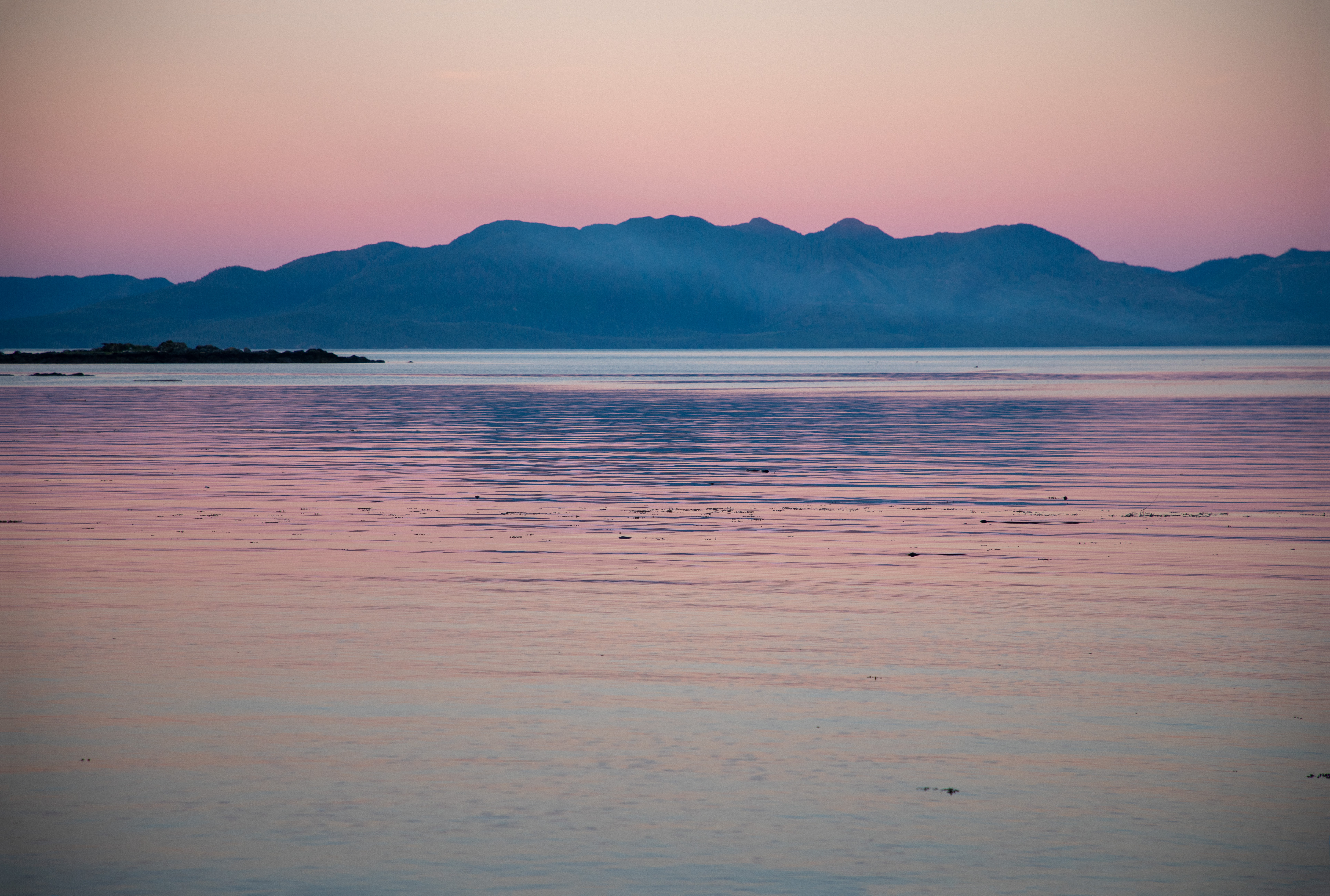
As you can see, we enjoyed some epic sunsets out in front of our house this week!
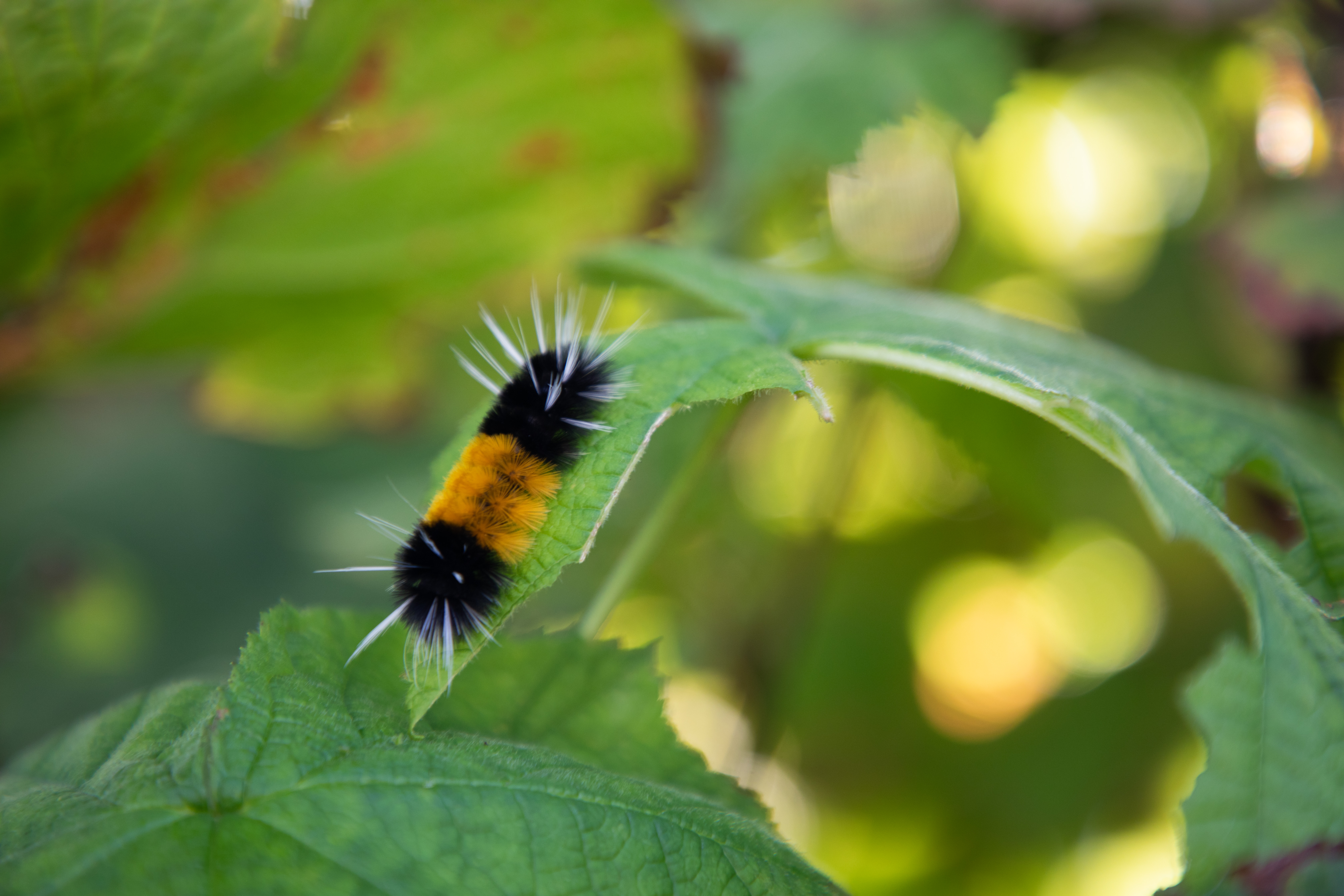
One of my daughters adopted three(!) fuzzy caterpillars, named them, and faithfully fed them fresh leaves for several days before they escaped one too many times in the house and it was decided to return them to the wild. Pictured above is Fuzzy, living his dream life eating thimbleberry salad for lunch.
“From the rising of the sun to its going down The LORD’s name is to be praised.” (Psalm 113:3)
We set up the tent in the dark by flashlight, because that’s how you should always set up a brand new tent you’ve never set up before.
We swam in the salt water. We got woodsmoke in our hair and eyes. We savored sludgy campfire coffee with fresh hot doughnuts. Someone’s drying shirt caught a spark and burnt to a crisp. We got sun burnt, ate s’mores and told our best childhood fishing stories to the kids before bed. Beneath the shining arch of the Milky Way, we walked the beach in the dark and spotted shooting stars. Somewhere, out in the dark on the water, whales were blowing. Something snarled and splashed—perhaps a seal catching a fish?
Finally, on this clear night in August, we crawled into our tent. Other campfires along the beach burned low, and slowly the distant voices of late night conversation faded off. One by one, wiggling, giggling children suddenly went silent, breathing turning steady with rest. Relieved, their parents soon followed suit. For once, the new camp mats were living up to their good reviews on Amazon.
But in the middle of the night, the dogs at every campsite began to bark. The kids didn’t even stir, but I awoke, groggily half annoyed, half worried. Was a bear coming in to check out our food cooler?
I strained to listen, and then I heard the sound. It was not a large animal shuffling through the forest or rummaging through our camp, but something in the air, a high-pitched, lilting sound. It almost sounded liquid, almost sounded sonic. It was musical, but it was not a bird, and it did not seem human-made. Then suddenly, I realized what it was and I caught my breath in wonder.
The whales were singing.
“All the earth worships you and sings praises to you; they sing praises to your name.” (Psalm 66:4)
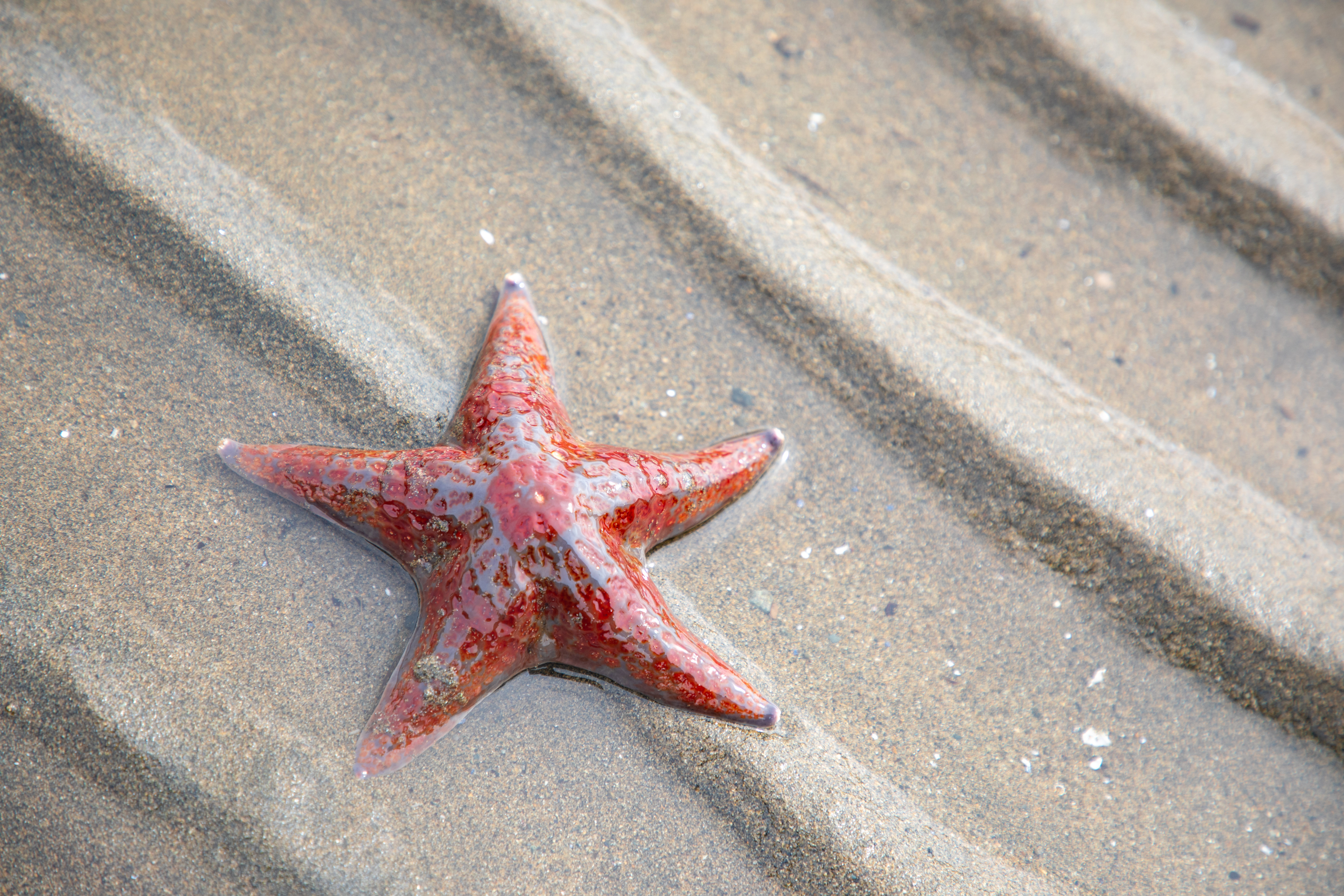
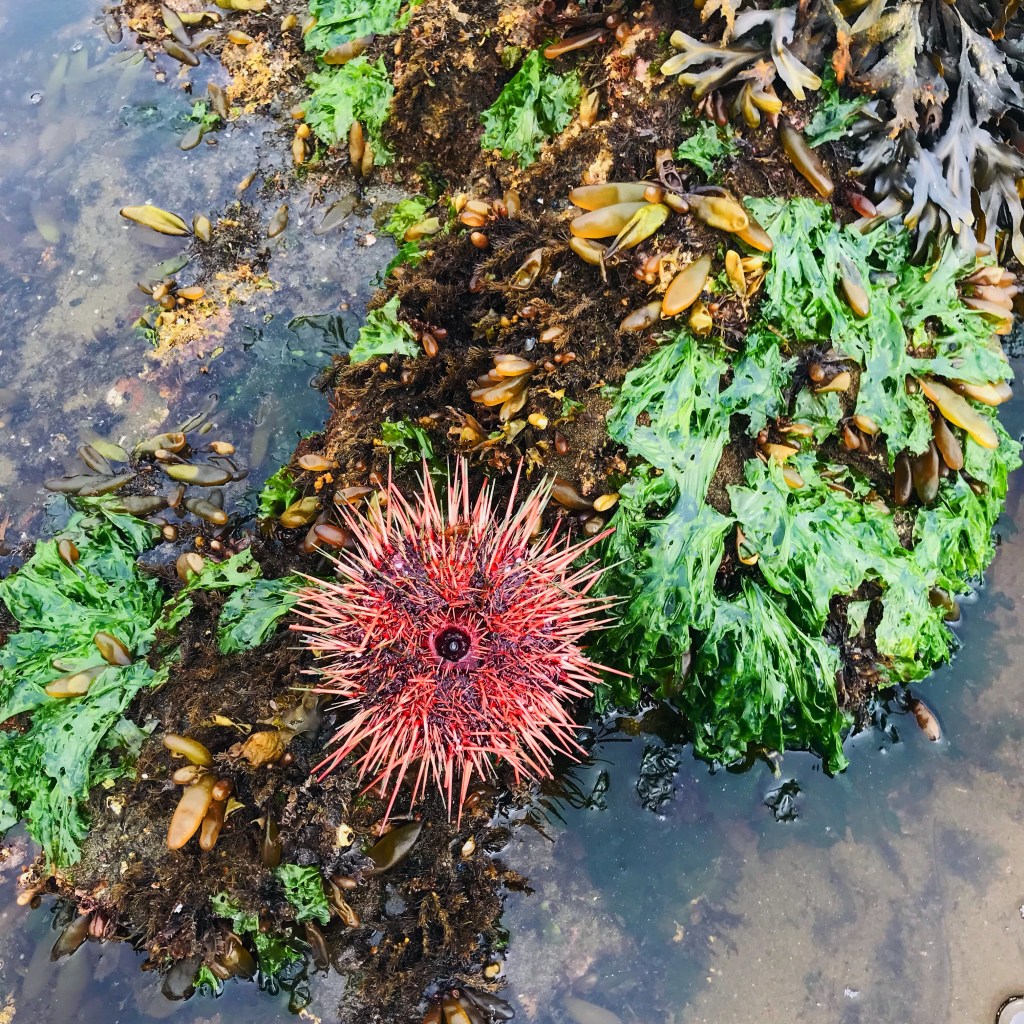
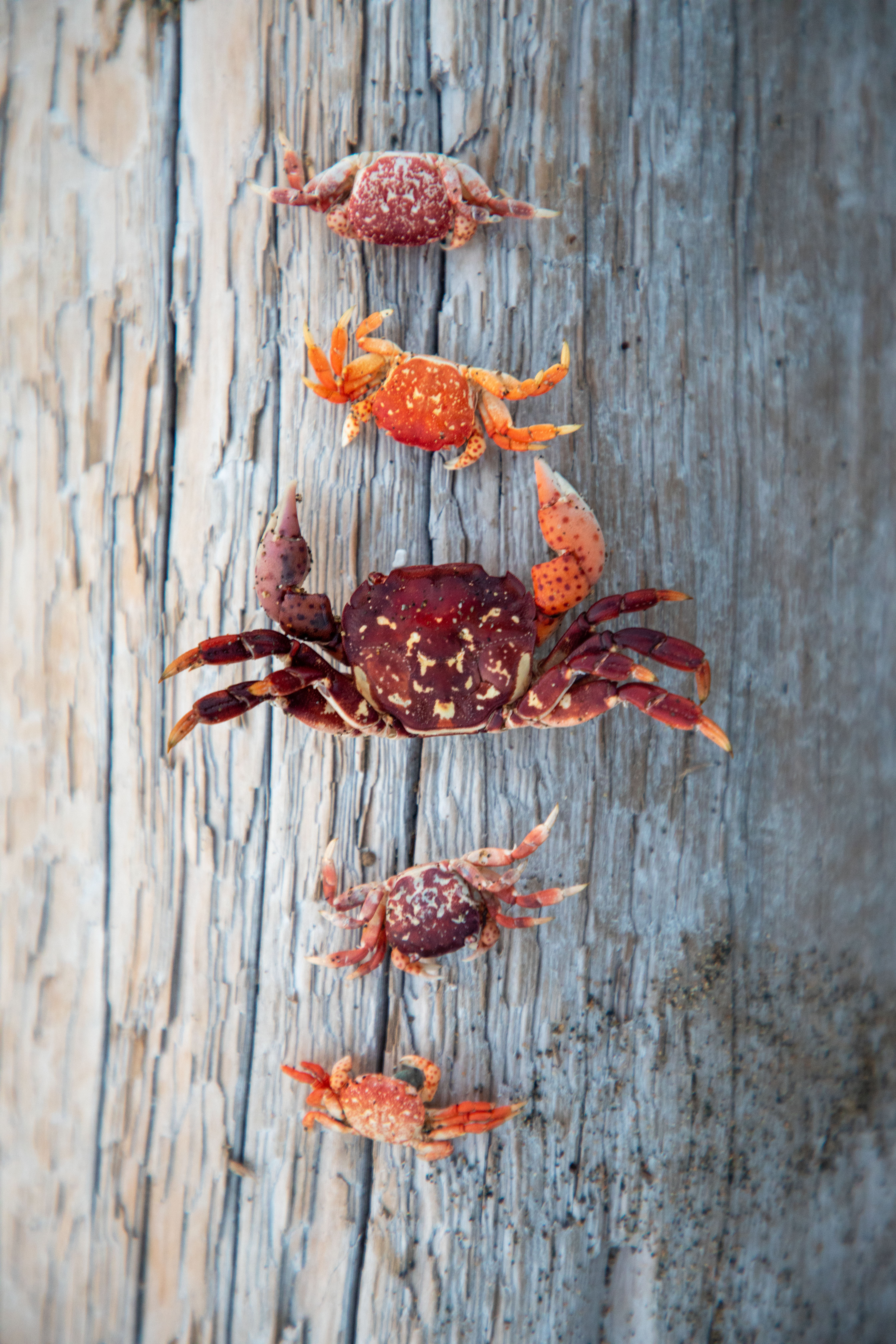
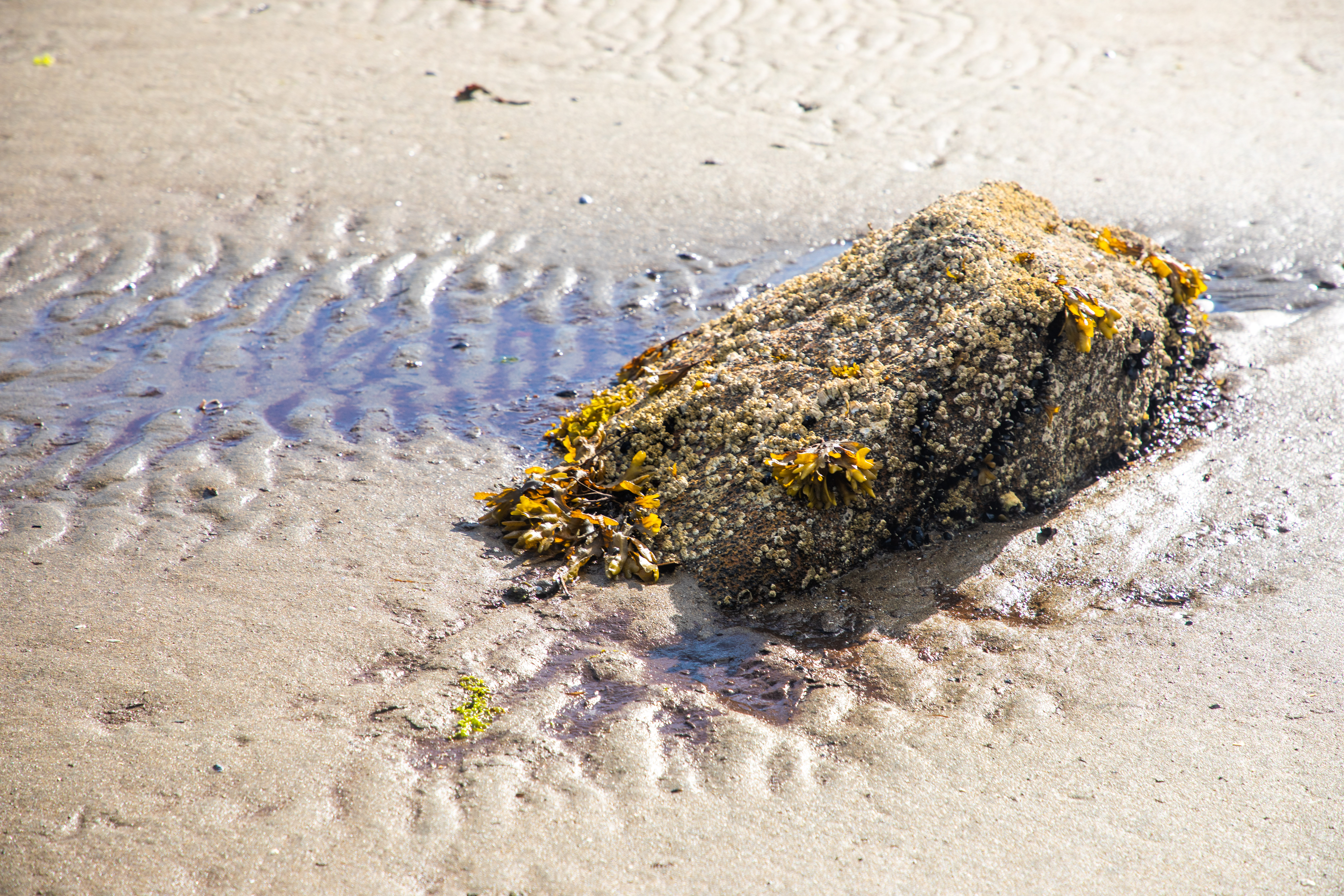
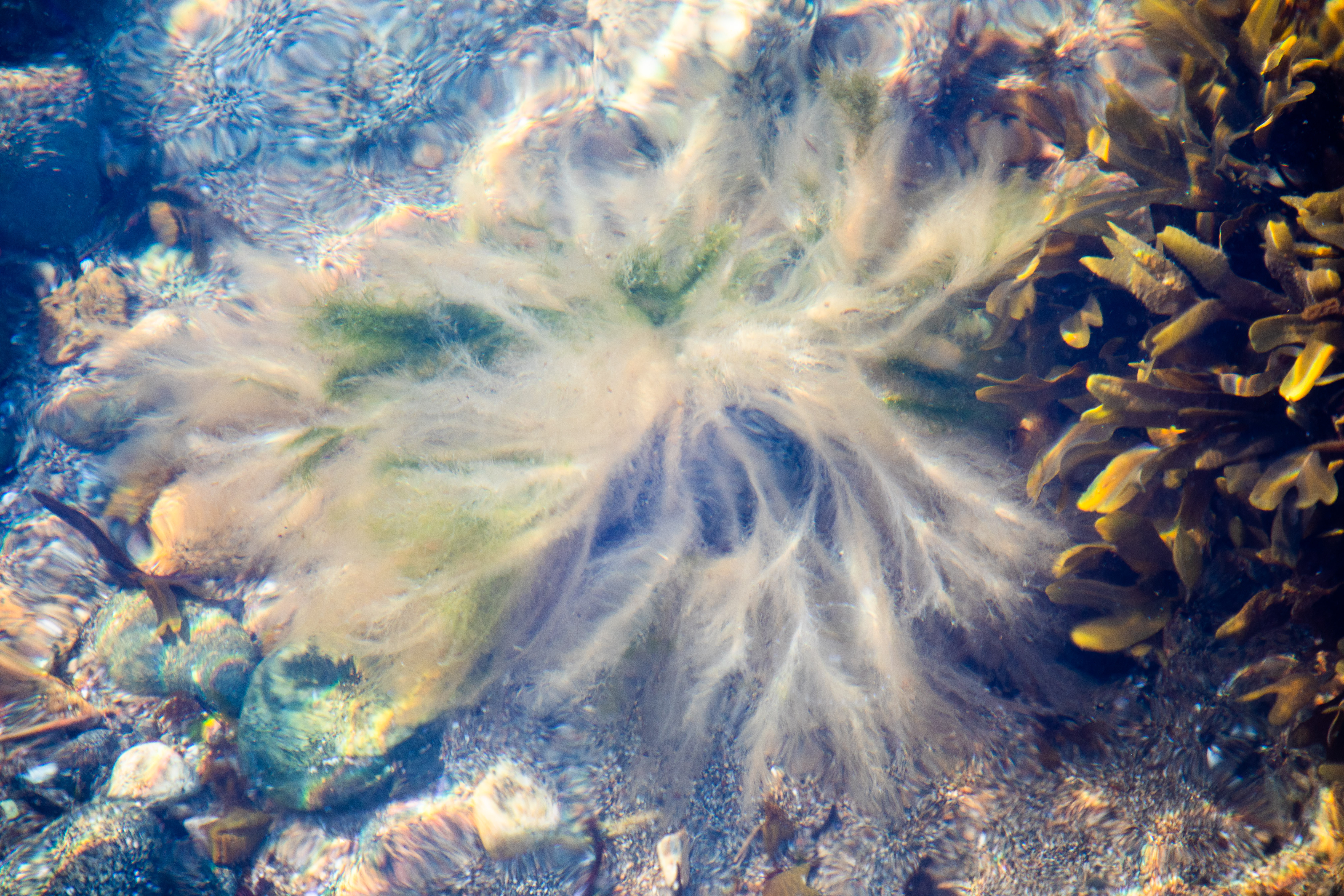
Sea creatures pictured: leather starfish, red sea urchin, still working on my crab identification (feel free to comment if you know what varieties these are!)
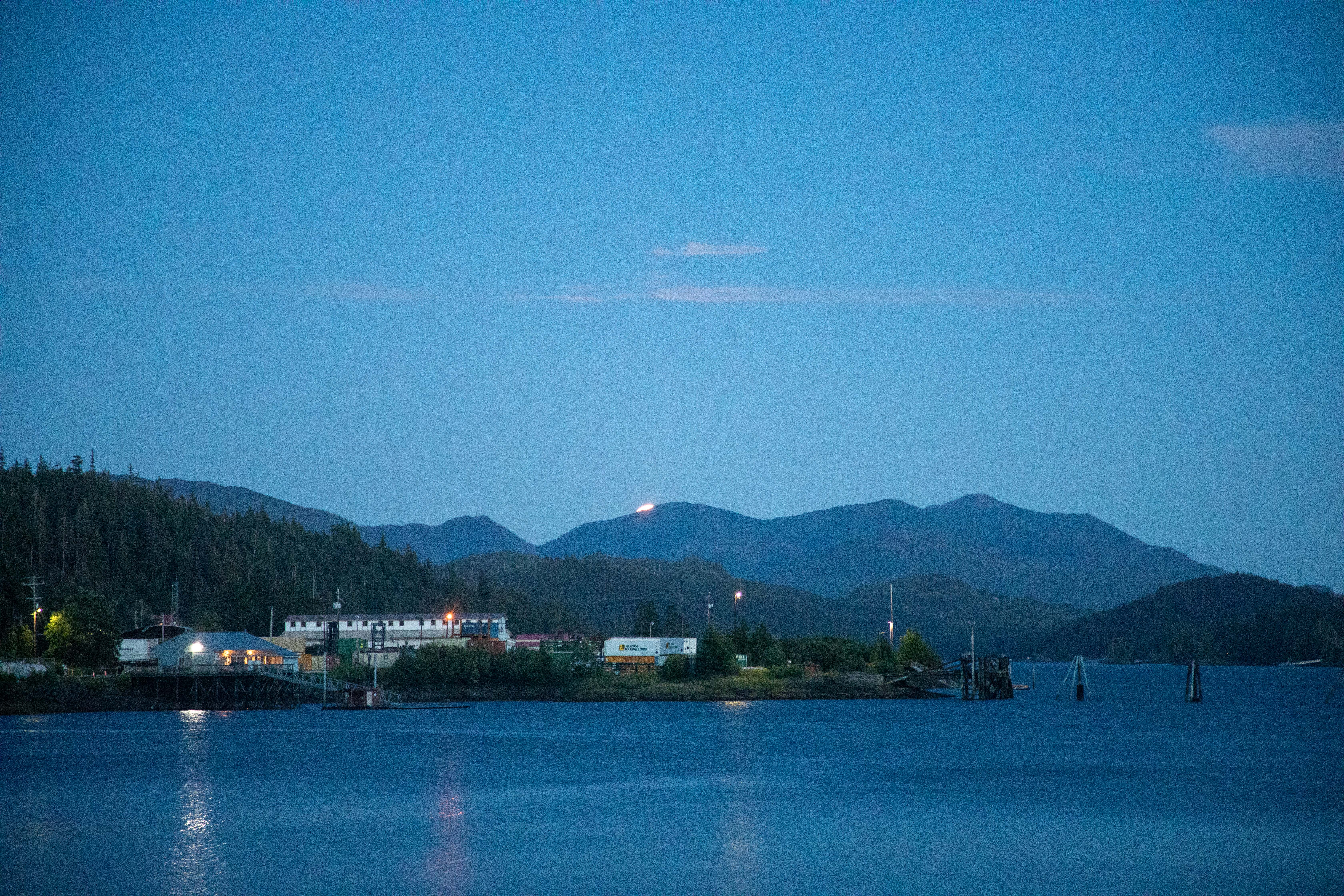
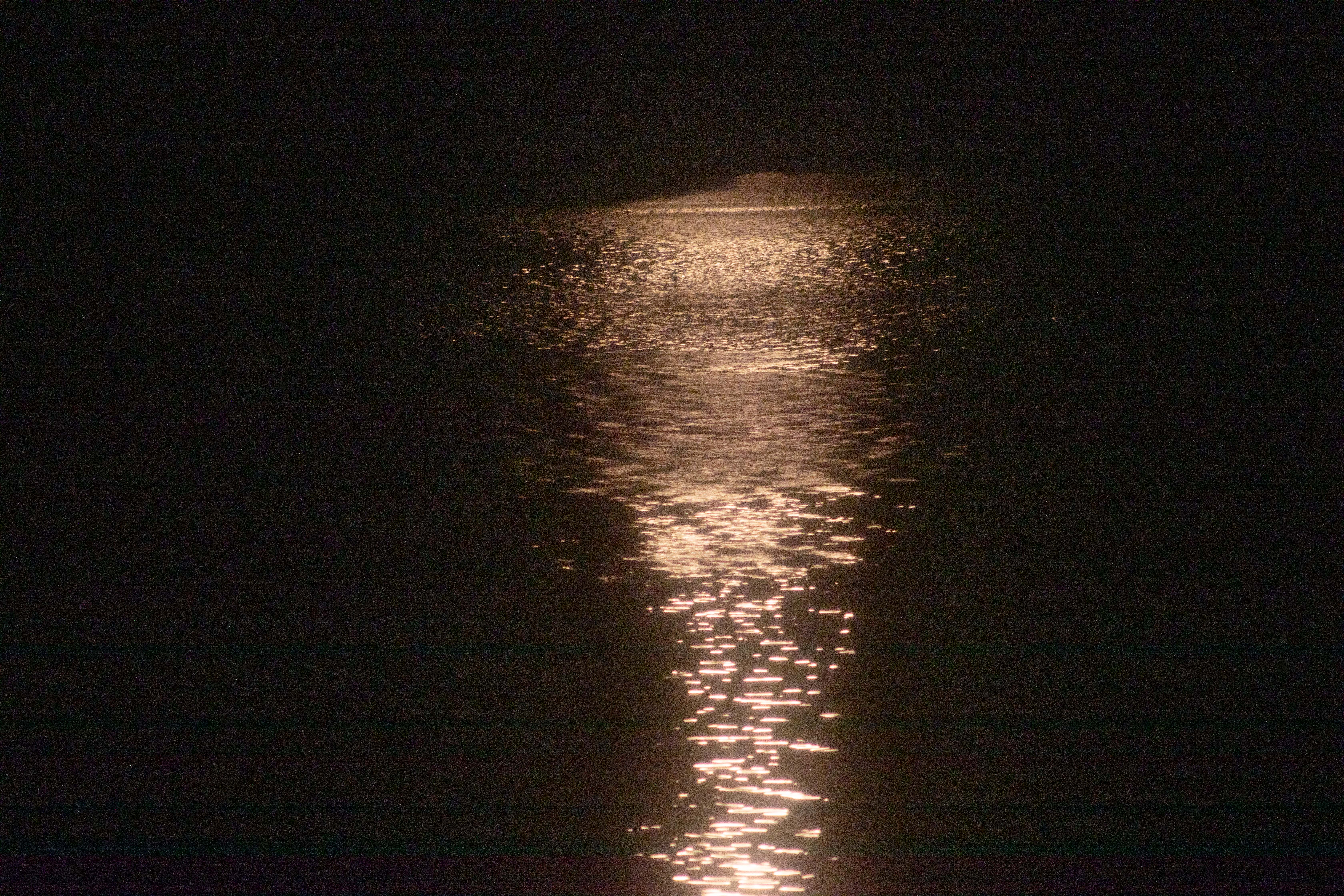
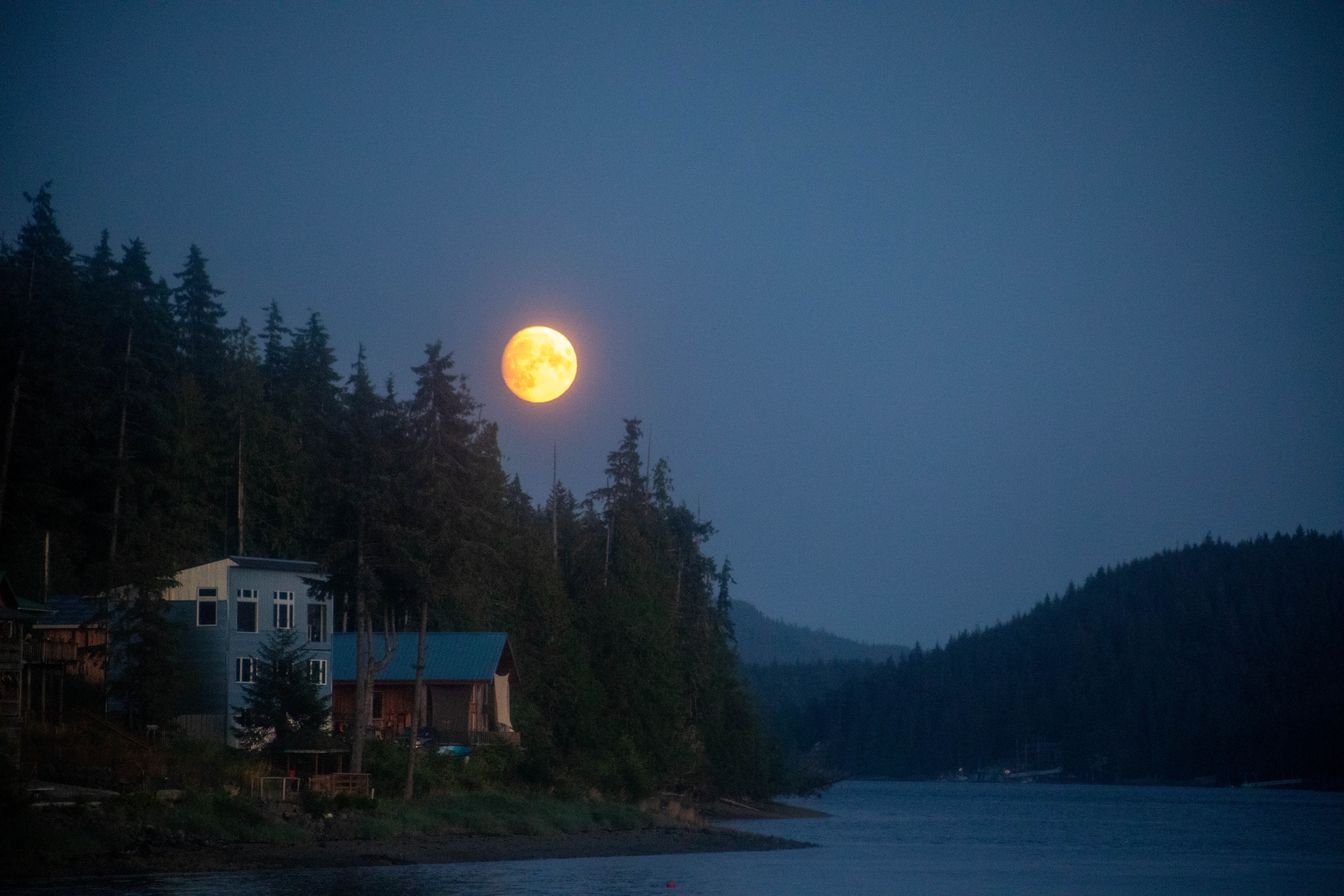
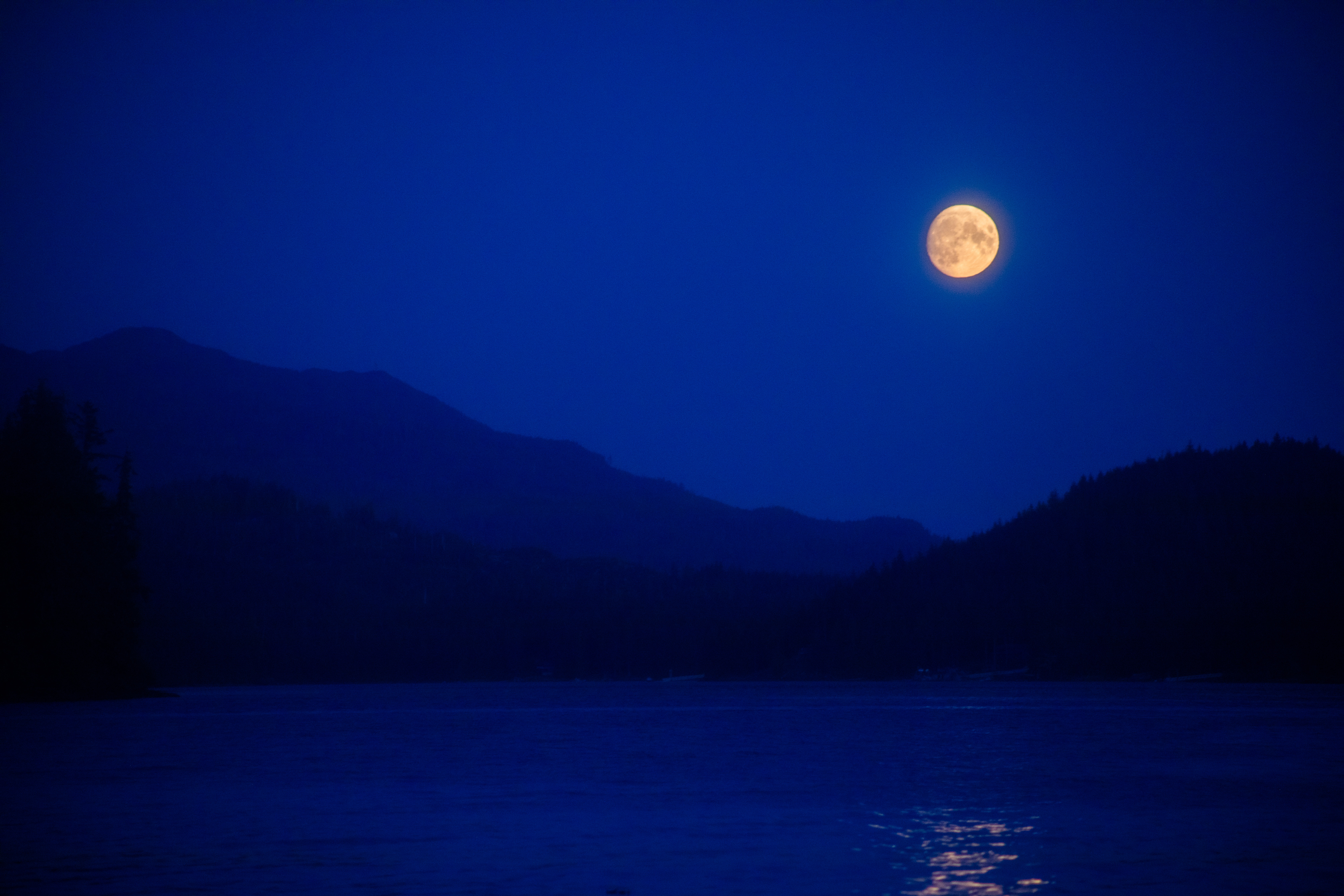
Here in southeast Alaska, I’m told the Haida call the full moon of August the “Salmon Moon”, and the Tlingit call it “Berries-Ripe-On-Mountain Moon” (Incidentally, the Haida July moon is “Ripe Berry Moon” and the Tlingit July moon is “Salmon Moon”!). Both names certainly make sense! This week, we were blessed with night after night of clear skies to watch the moon rise. The thimbleberries were at their peak of ripeness, and my fingers were bright red by the time I’d picked enough for a batch of jam.
The streams were full of spawning pinks, and with my Alaska fishing license hot off the press (yep, I was cheap and waited until I could pay $5 to fish in Alaska instead of $100!), I landed my very first one. It was a male humpy, past the stage of good eating, and we released him, but it was still a thrill to land my first salmon! Lord willing, it will be the first of many.
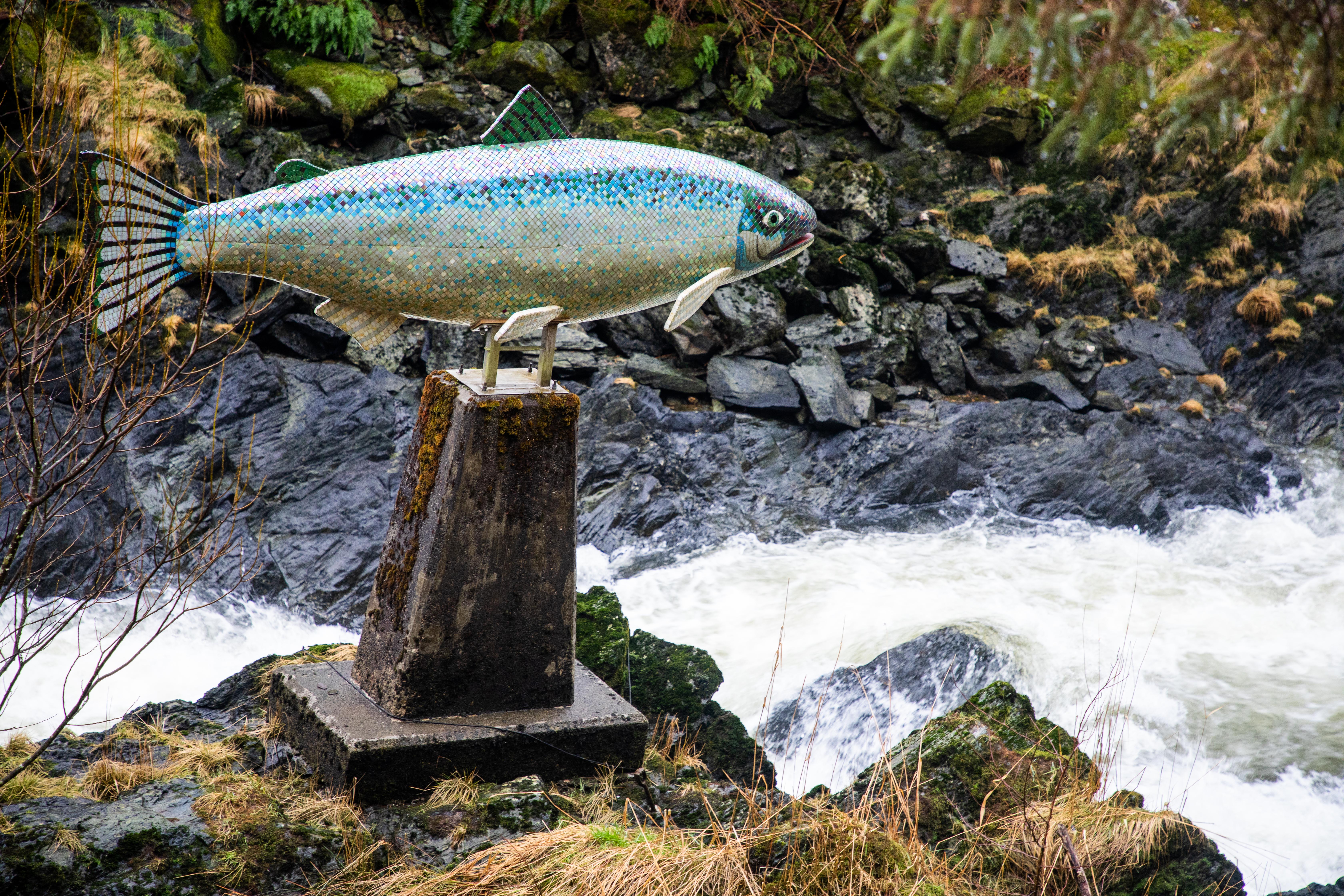
We drove down some new forest roads, and hiked down some new trails. Though many of the wilderness places pictured here are without official name, the very last picture is of Hatchery Falls, where we got to see salmon jumping up the falls. It was amazing to see their determination and strength!
“The heavens declare the glory of God; the skies proclaim the work of his hands.
Day after day they pour forth speech; night after night they reveal knowledge.
They have no speech, they use no words; no sound is heard from them.
Yet their voice goes out into all the earth, their words to the ends of the world.” (Psalm 19:1-4)
Meet the reason my raspberry bushes are heavily fenced!
It’s hunting season here, but these particular deer have been smart enough to take up residence in town where they are safe from hunters. They paid little attention to me when I was taking these pictures, and I could have touched them if I wanted to. Last winter, one slept under our front porch for a couple nights and would just stare at us when we came out to look at it, seemingly fearless! Not great if you’re trying to grow hostas or any other plant they happen to love, but they are still beautiful animals.
A few interesting facts:
—Sitka black tail are a subspecies of mule deer unique to the coastal rainforests of southeast Alaska and northern British Columbia.
—They are good swimmers, occasionally even known to swim deep channels between islands.
—They have four-chambered stomachs which allow them to “ruminate” (rechew) their food, and contains bacteria specialized in breaking down cellulose. Since these bacteria are so specialized, they have tremendous difficulty digesting strange material and can die of starvation with their bellies full of food.
—They are small deer (adult average of 106-198 lb). They honestly remind me more of goats than the whitetail deer I grew up around, especially when I see them leaping and running along the steep, rocky slopes of this mountainous place.
“For who is God, but the LORD? And who is a rock, except our God?— the God who equipped me with strength and made my way blameless. He made my feet like the feet of a deer and set me secure on the heights.” (Psalm 18:31-33)
On a beautiful day at the beach in which we had the rare privilege of the entire place to ourselves, I read a magazine with the theme of “Life with a Flourish”. It caught my attention, because while I have tended to think of the word “flourish” as a verb, as in the idea of thriving or doing well, the articles I read steered the reader more towards “flourish” as a noun.
It’s those purposeful, sort of over the top actions in life, those highly enriching gestures in which we above and beyond the necessary simply because it will bring ourselves and those around us joy. It’s the confetti at the party, the wildflower bouquet on the table, the curl on the end of your signature. It’s taking the time to stop for ice cream and sit on the porch to eat it, and trying an Earl Gray infused apricot jam recipe instead of just plain. It’s the back door painted brilliant red.
This was a week that was delightfully full of Vacation Bible School, and sunny days at the beach with friends, and ice cream at Naani’s, and it was fairly easy to feel like we were living life with a flourish. I even had time to relax at the beach and read a whole magazine while my kids swam! But there are plenty of weeks when it doesn’t happen naturally, when I can get so busy checking off the boxes of duty—the laundry, the cooking, the cleaning—that I forget to take the time to celebrate life with creativity, beauty and wonder.
Here is my note to self to remember, and not to forget.
“The LORD is my chosen portion and my cup; You have made my lot secure.
The lines of my boundary have fallen in pleasant places; surely my inheritance is delightful.
You have made known to me the path of life; You will fill me with joy in Your presence, with eternal pleasures at Your right hand.” (Psalm 16:5-6, 11)
*Thoughts inspired by the referenced Summer 2022 issue of Magnolia Journal.
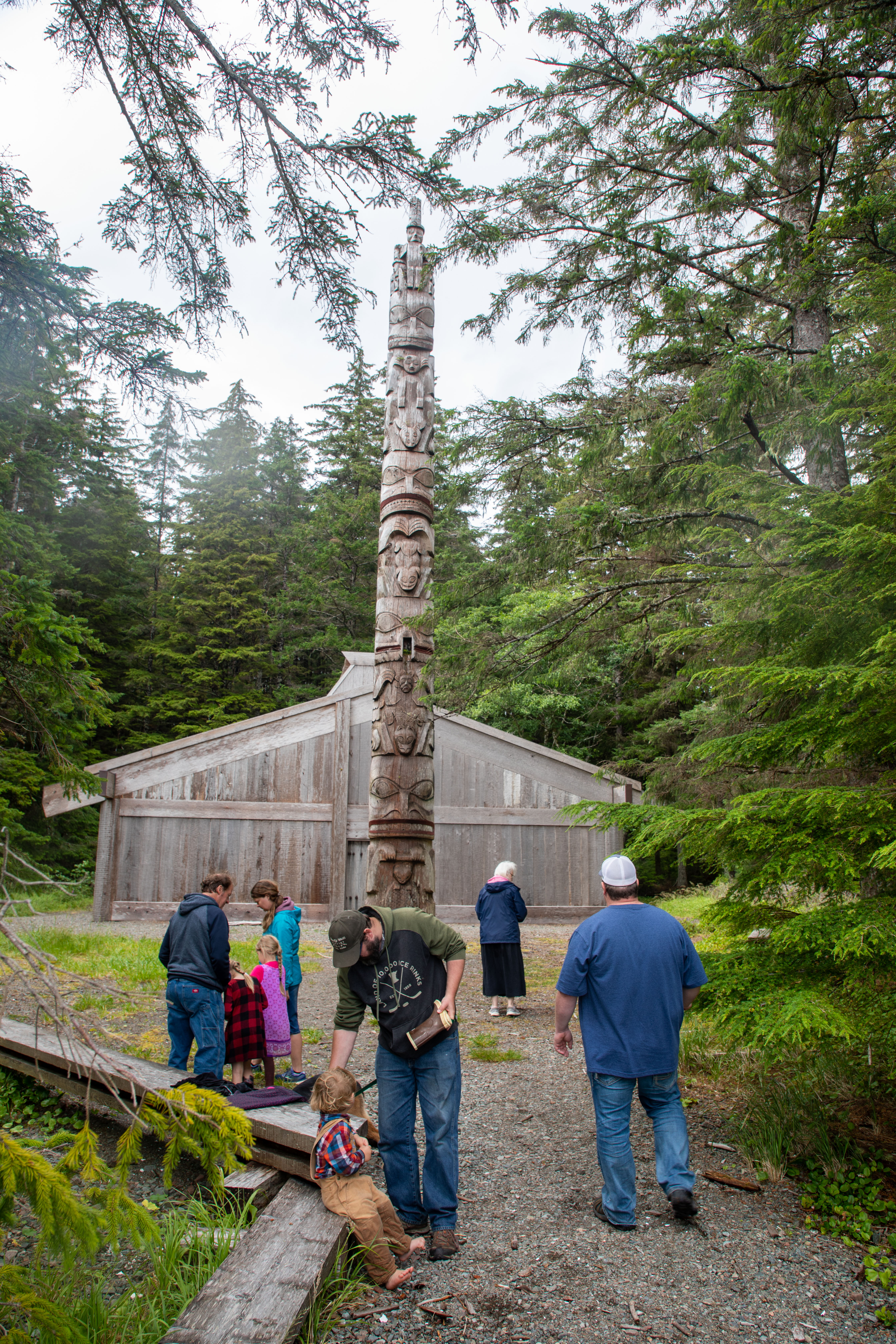
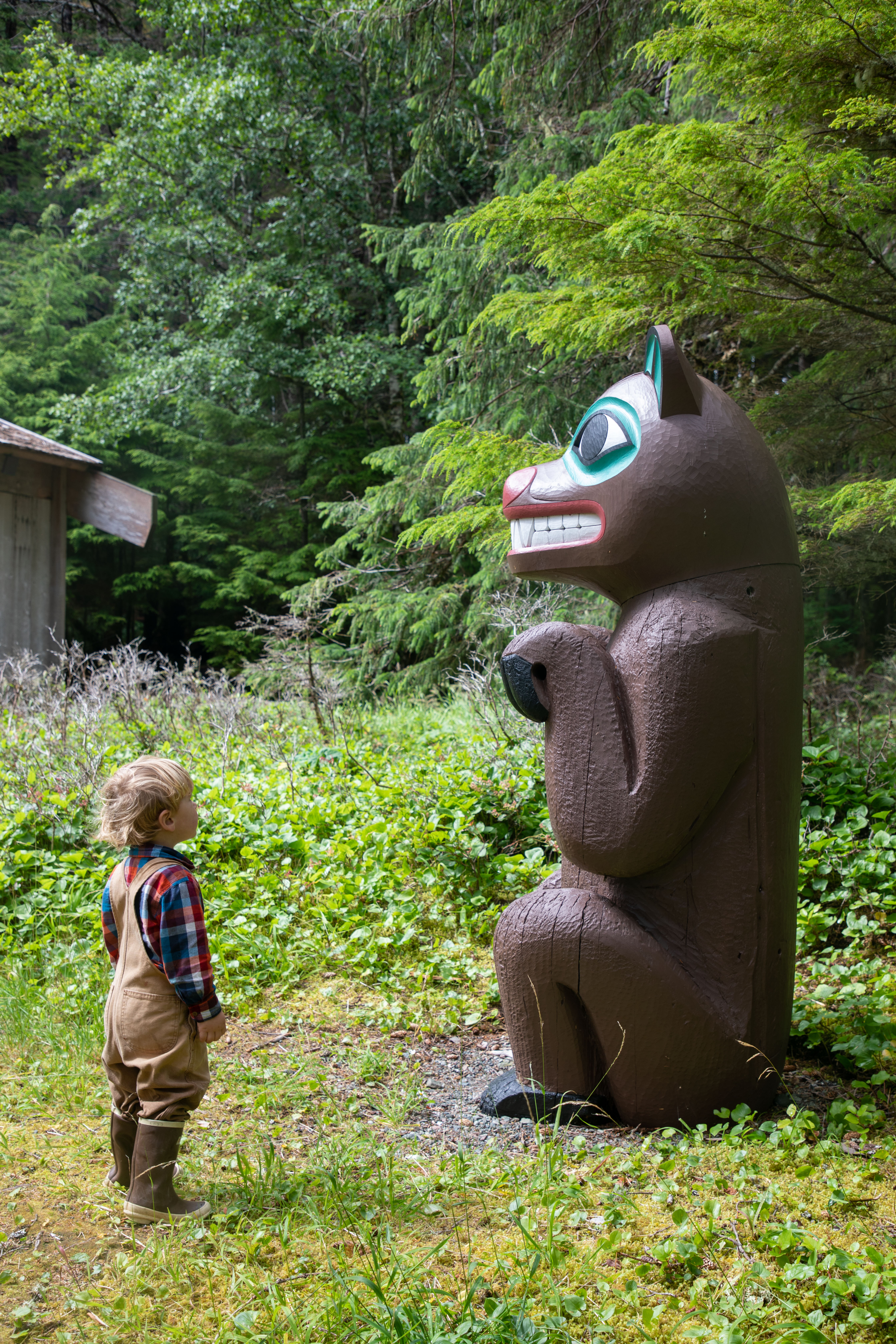
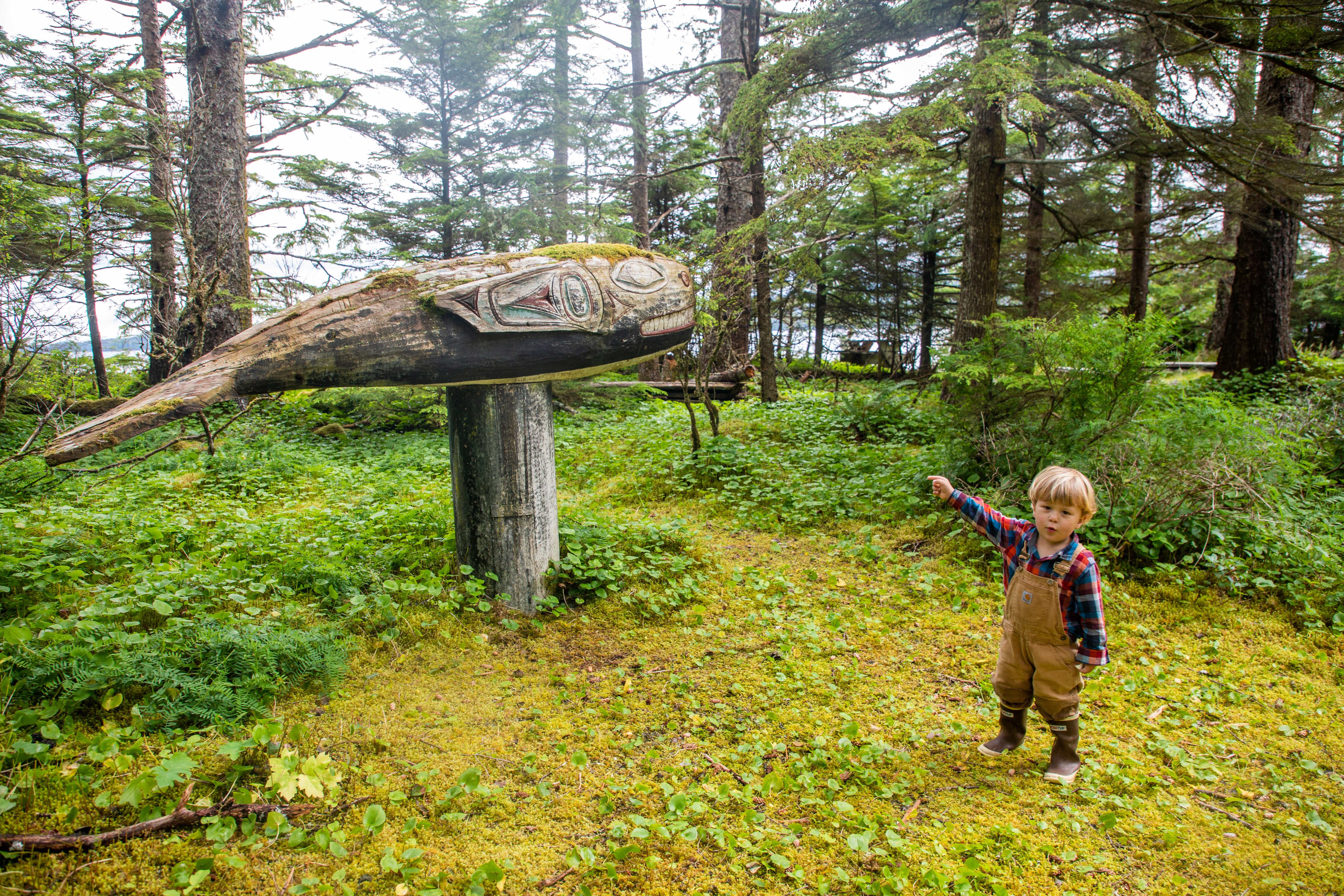
Kasaan means “pretty town”. That seems fitting, since the trail there is certainly one of the most lovely and peaceful trails on the island—and fascinating, too, with the historic Whale House and collection of totems as its’ destination. The silent forest feels old and grand, rich with memories of the past. It’s easy to imagine what life might have been like here a few hundred years ago when all you can hear is the sound of muffled footsteps on pine duff and the gentle lull of the sea.
This is the oldest standing longhouse in North America, circa 1880, former home of Haida Chief Son-I-Hat. I have found it fascinating to learn about native cultures in the region, which are very different from those I grew up around in Minnesota. I didn’t realize until I moved here that totems are for commemoration and for telling stories, much like the petroglyphs of Egypt! They are not necessarily religious, though religion (and traditions and legends), as deeply entwined as they are in a culture, certainly play a part in the stories being told.
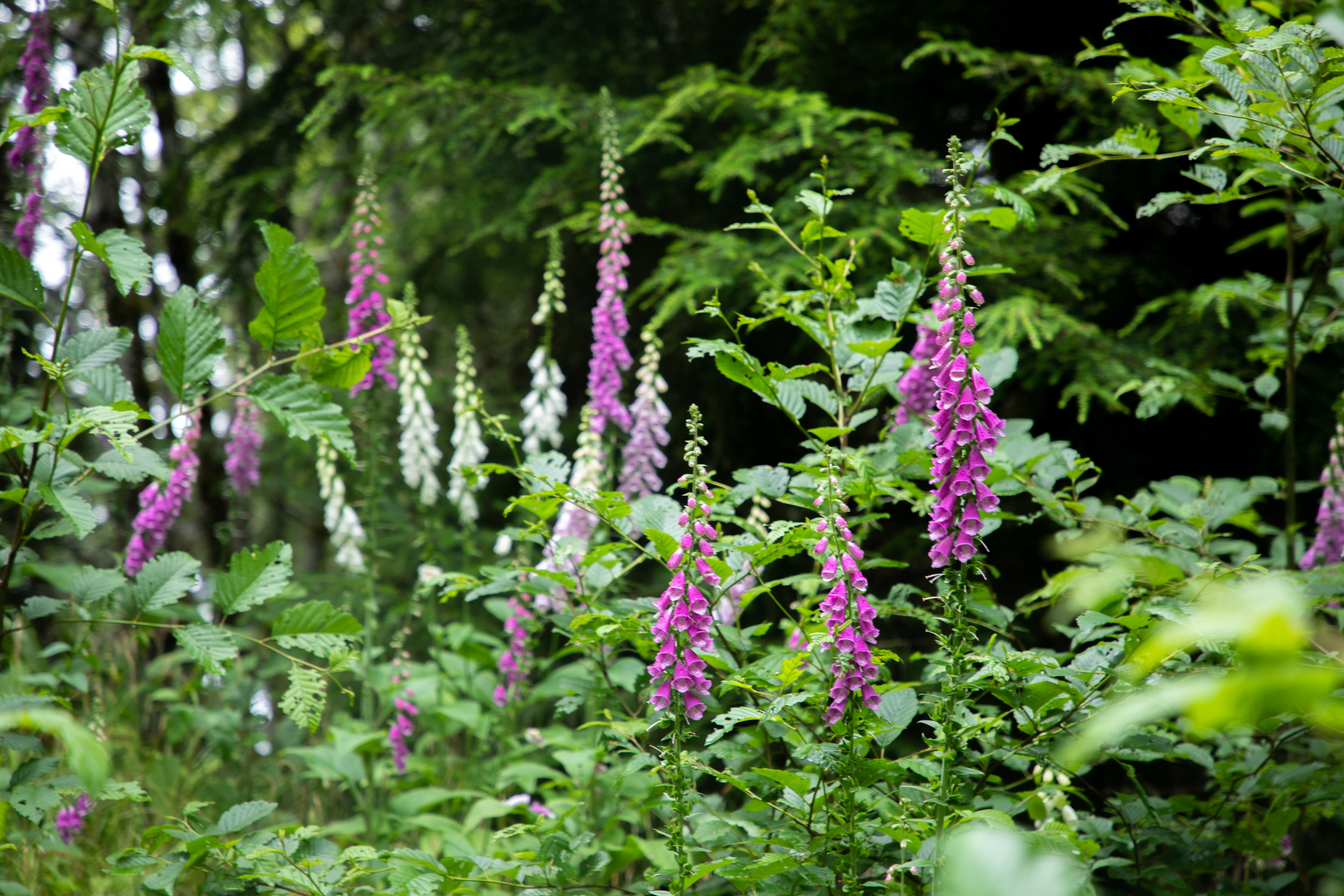
Last time we came here, we saw our first humpback whale and petted a raven; this time we found foxgloves.
In the movie “Free Willy”, the Haida caretaker Randolph muses, “300 years ago, my people only had to spend one day a week gathering food, and everybody ate like kings.”
“So what’d they do the rest of the time?” his young friend Jesse asks.
He smiles. “Told stories, made music, made carvings. Made babies.”
That’s the world I like to imagine when I come here.
“All the ends of the earth shall remember and turn to the LORD, and all the families of the nations shall worship before you. For kingship belongs to the LORD, and he rules over the nations.” (Psalm 22:27-28)
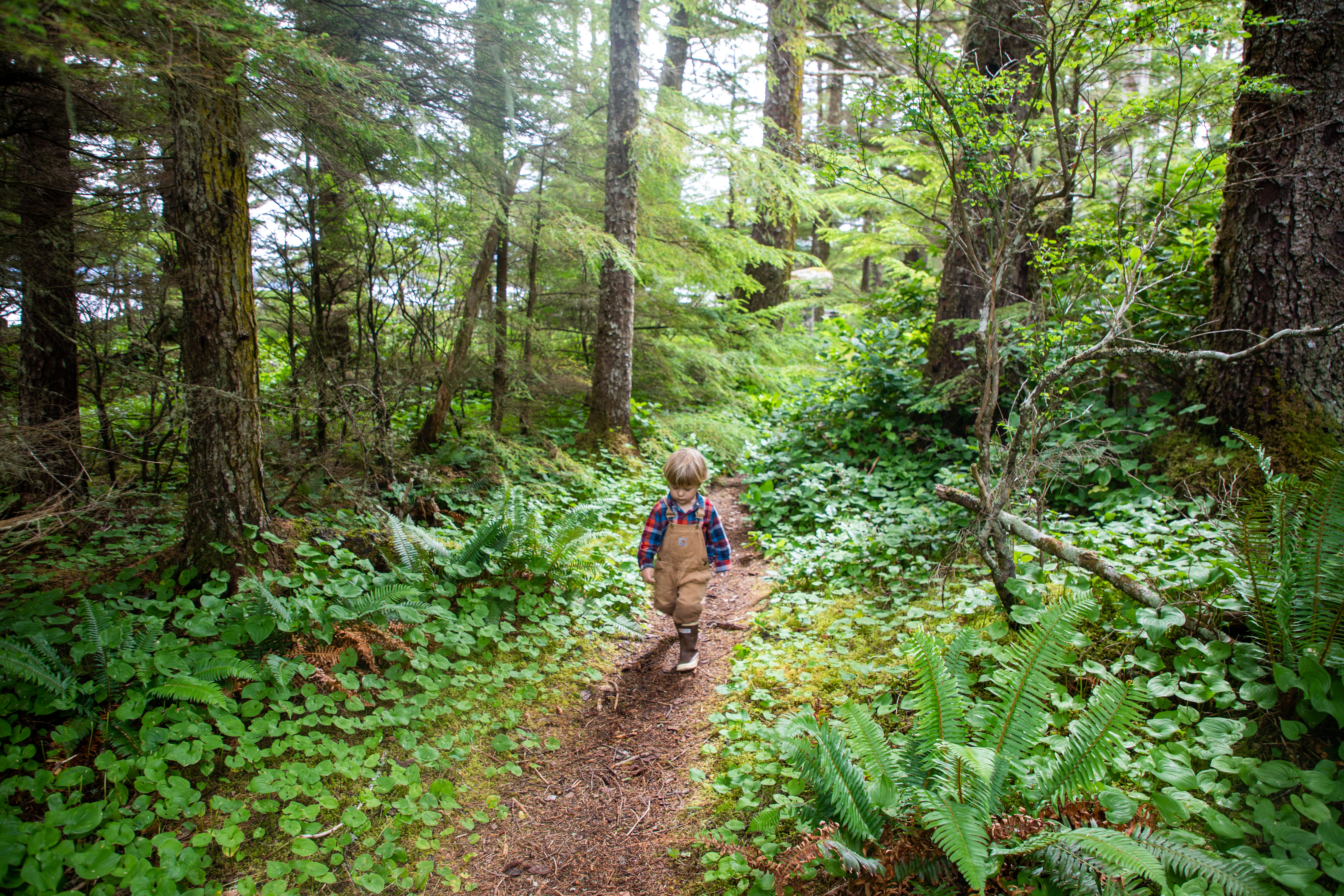
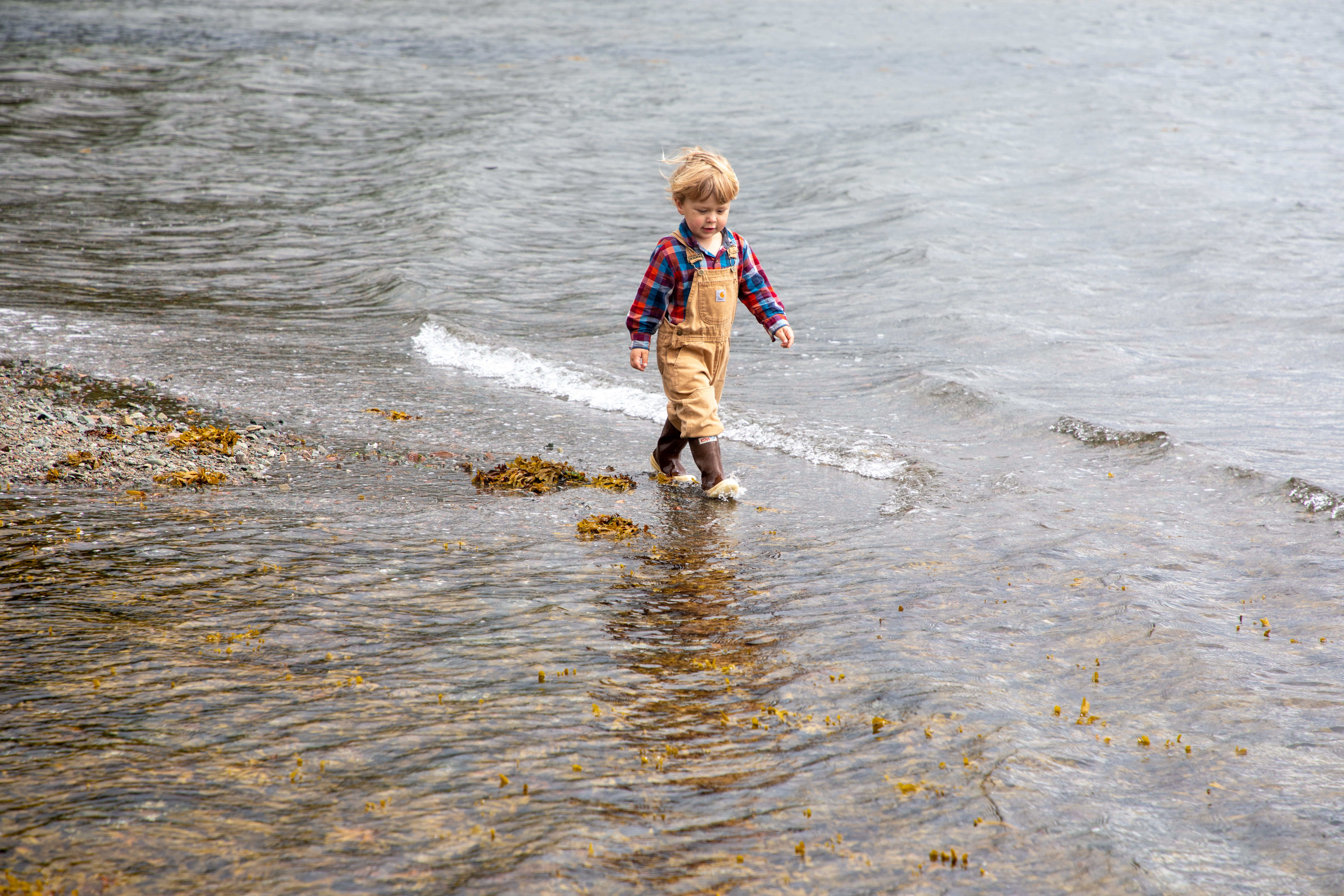
P.S. Lest you think that I only ever take pictures of my youngest child, well, the explanation is simple: he’s the slowpoke, so I’m always lagging behind with him, and the others are always running ahead!
Those of you who live here know: we may live 40 miles from Ketchikan as the raven flies, but unless you own a boat equipped to handle the bigger waters of Clarence Strait and the weather happens to be fair, or want to pay the higher price to take a float plane over, it takes a good deal longer than 40 minutes to get there. The most economical and sure (voyage cancellations are rare compared air travel) mode of travel is by the daily ferry. A day trip to Ketchikan via ferry involves over an hour drive to the ferry terminal, a three hour voyage, about four hours to do what you need to do in the city, then another three hour voyage back, and another hour plus drive home.
I find the ferry ride to be very enjoyable. Unless the water is particularly rough, it’s a relaxing, slow-paced ride. The boat is roomy, and the seats are comfortable. The galley food is good, and there’s almost always someone you know on the ferry, or at least someone who knows someone you know. Conversations are easy, and they all start with either: “Where are you from?” or “Where are you going to?” From there, our unique mutual connection to a remote island in southeast Alaska is all the common ground necessary for a full-fledged conversation.
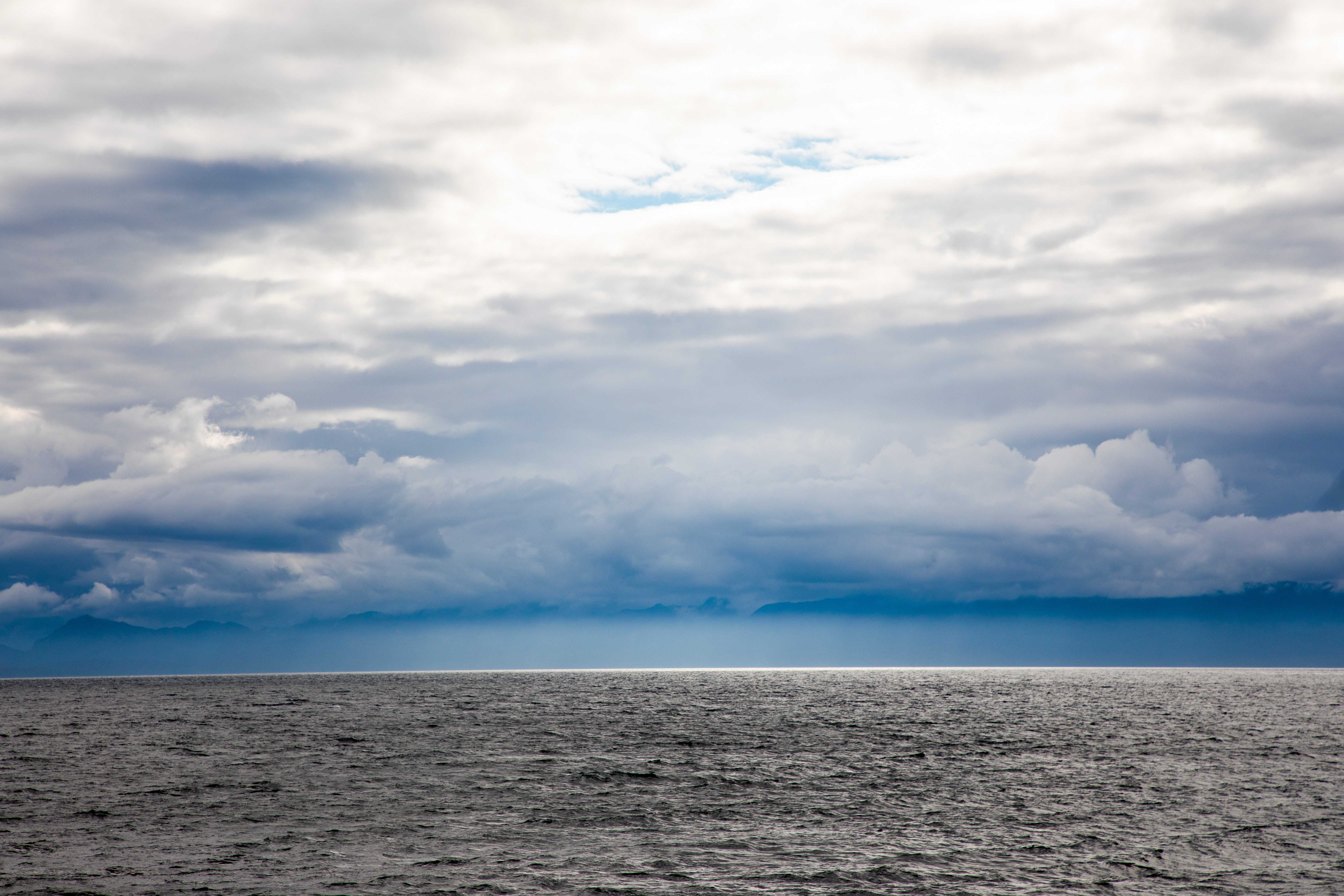
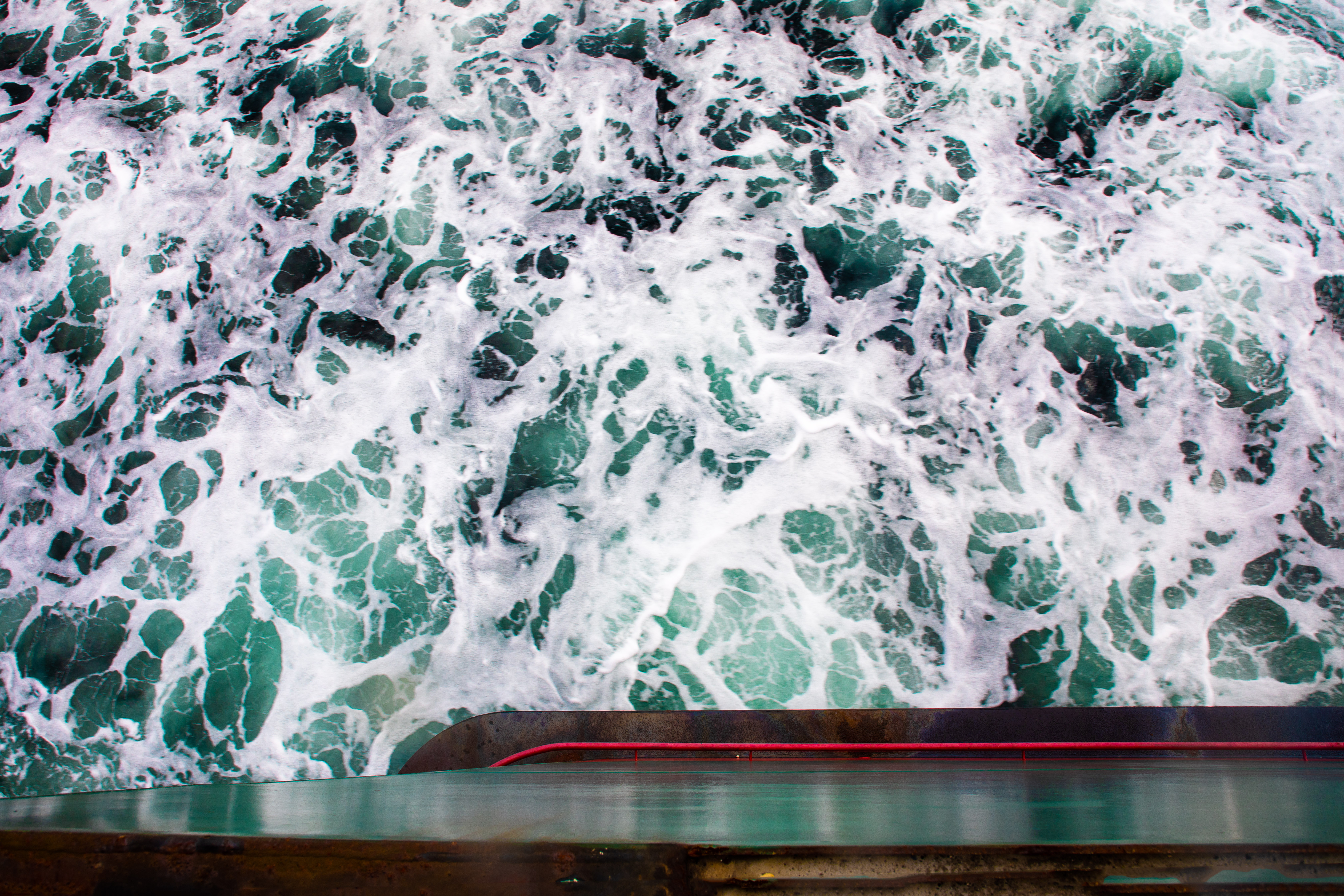
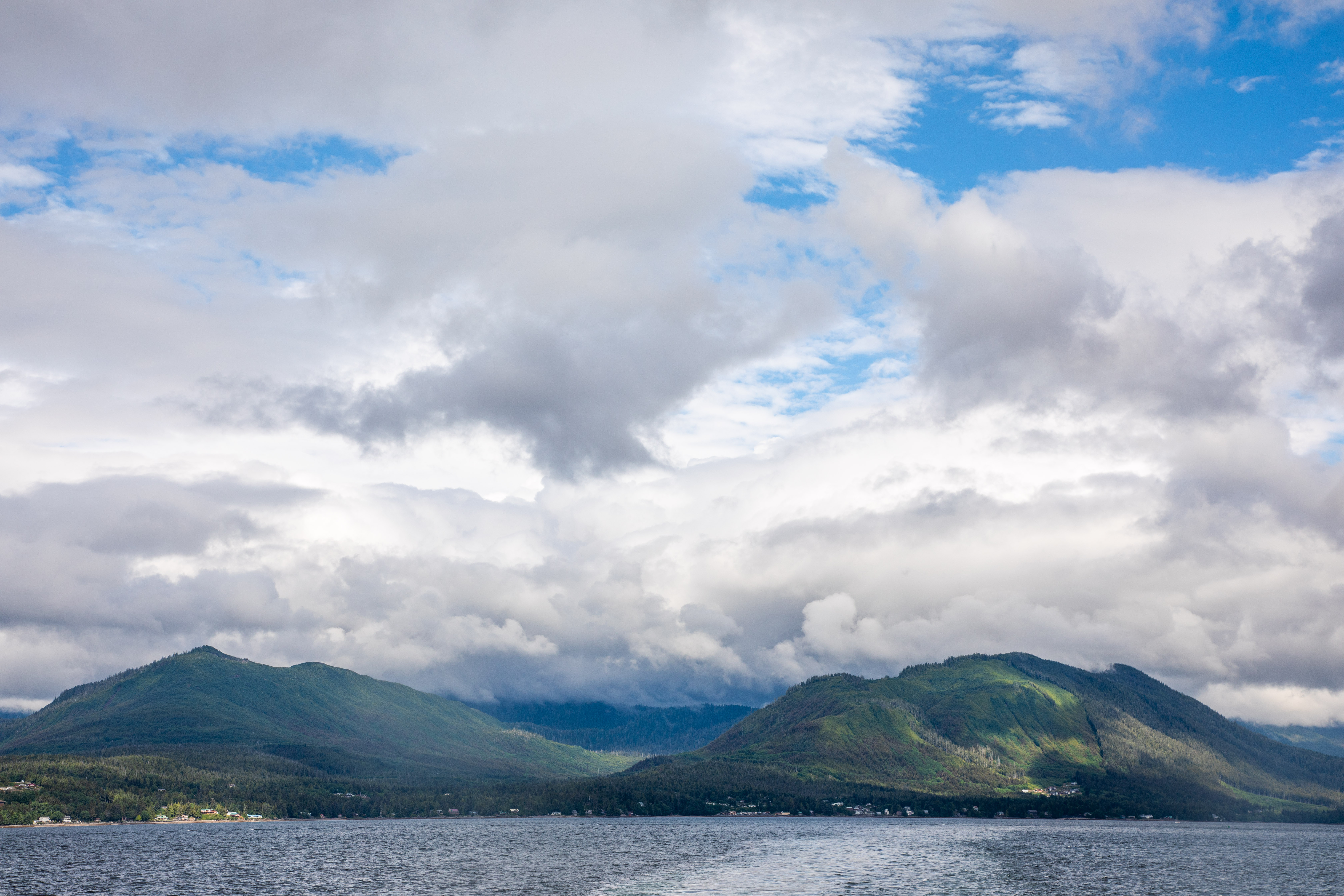
And if there’s no one to talk to, or you don’t want to talk, it’s beautiful to just stand out on the deck, staring over the edge at the foamy waves rhythmically peeling away from the hull of the vessel, or watching the misty island mountains alternately appear and then fade into the fog, or the sunlight play chase with the clouds across the vast and wild panorama of the Inside Passage. Maybe you’ll see a whale or two; certainly you’ll feel the ocean wind in your face.
Once you’re chilled by that, there’s the $3 bottomless cup of coffee waiting to warm you in the galley inside, or more if you missed breakfast in the rush of a 5:30 AM departure or didn’t have time to grab some lunch in the Ketchikan while you were trying to get as much shopping done as possible in your limited 4-hour window of time (that was me this week).
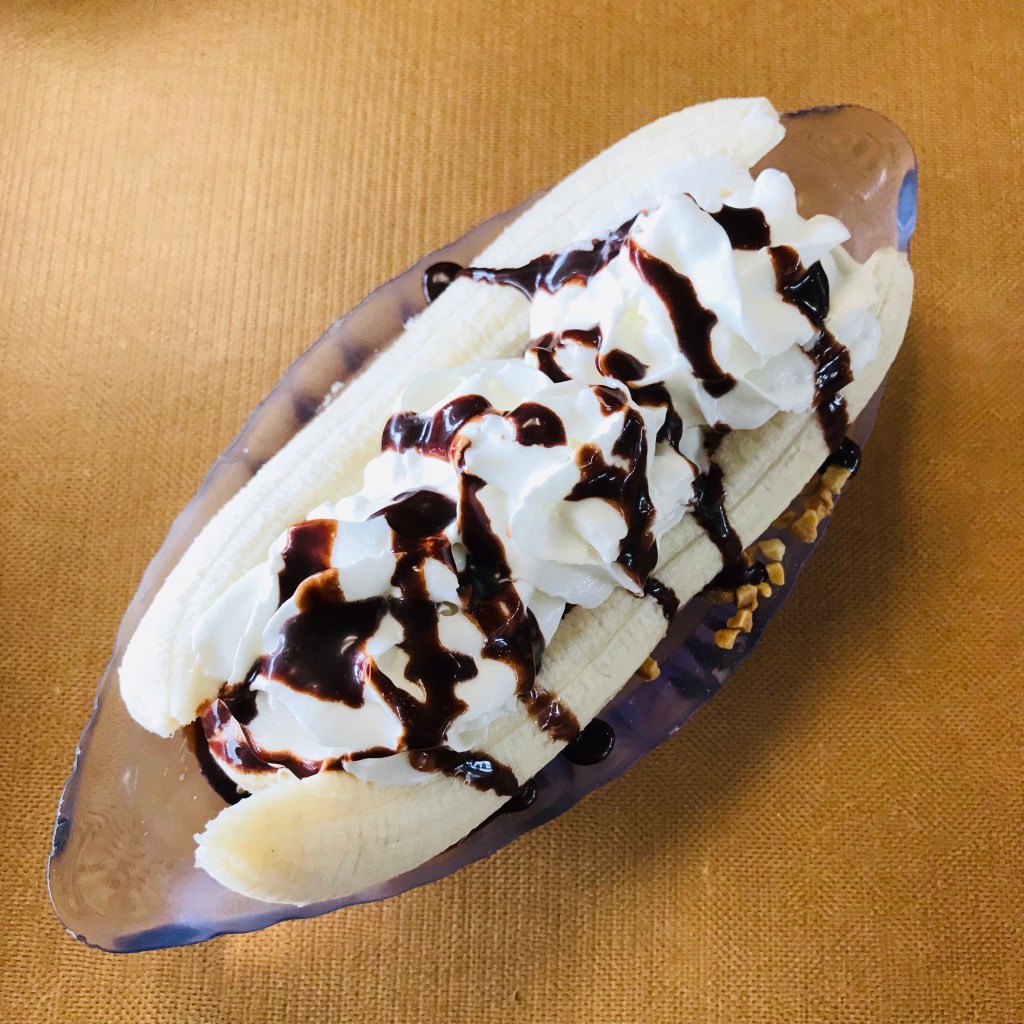
There’s a gift in the slowness of the journey, more the feeling of being a part of the land and the sea instead of speeding through it, of having time to breathe, finally start the stitching project you bought the pattern for five years ago, have a long conversation with someone about homeschooling, buy a banana split and take an hour to eat it, play a game with a friend who brought cards, maybe even be lulled to sleep by the steady drone of the ship’s motors and the rhythmic shifting of the waves.
On this particular voyage, I was out on the deck taking pictures. A man who had also been quietly gazing out at the landscape nearby noted me using my camera and commented enthusiastically, “”It sure is beautiful, isn’t it?”
“Yes, it is!” I agreed heartily.
“Is this your first time here, too?” he queries.
I smile. “No,” and the words that come out my mouth next still feel both wonderful and foreign to me, “I live here.”
“And you’re still taking pictures!” he said, approvingly. “But if I lived here, I think I’d still be taking pictures, too.”
“Others went out to sea in ships, conducting trade on the mighty waters.
They saw the works of the LORD, and His wonders in the deep.” (Psalm 107:23-24)
Fun fact: Three pictures in this post were taken on our trip through Ketchikan in January, the rest were taken this last week in July. Can you guess which ones are which?
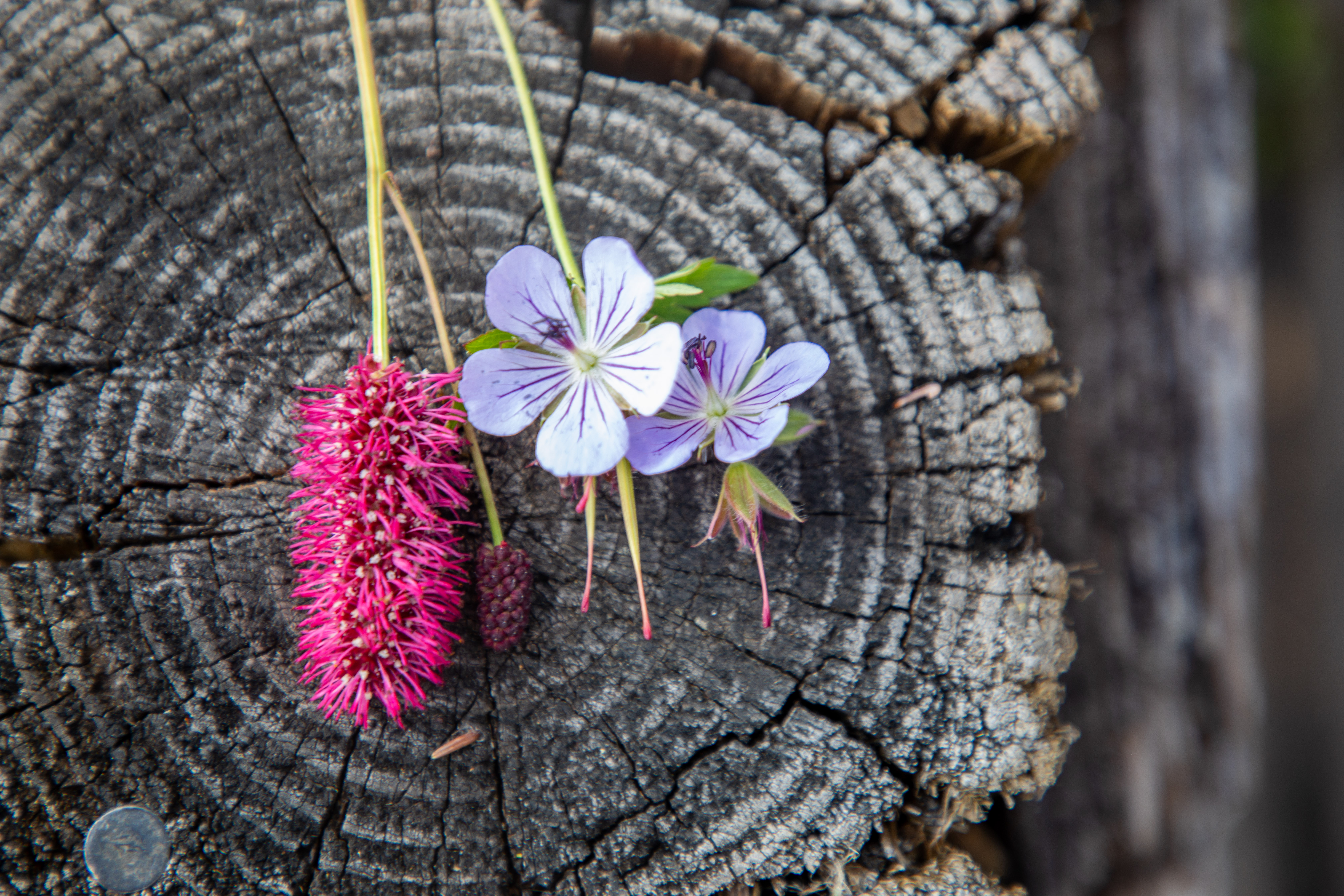
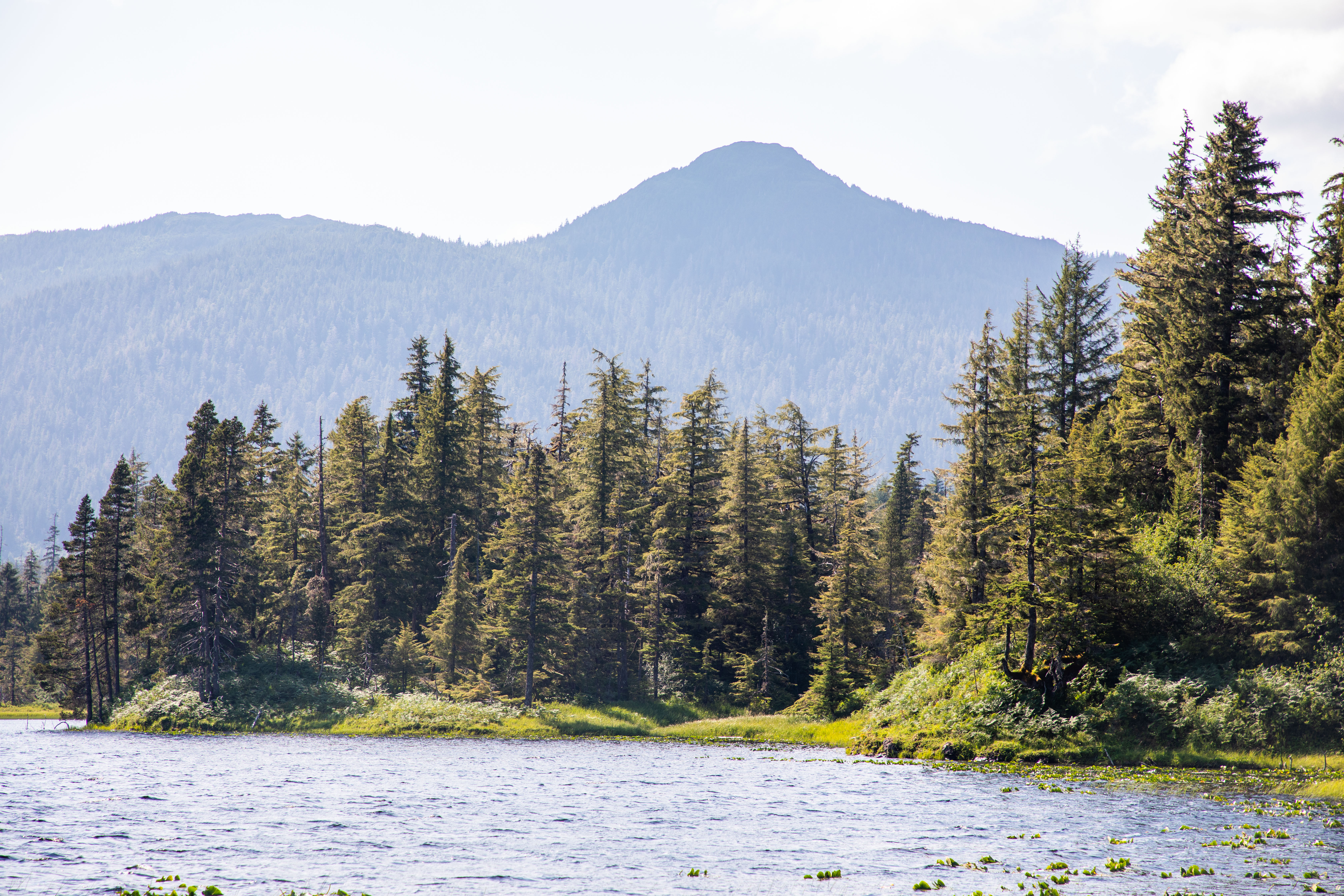
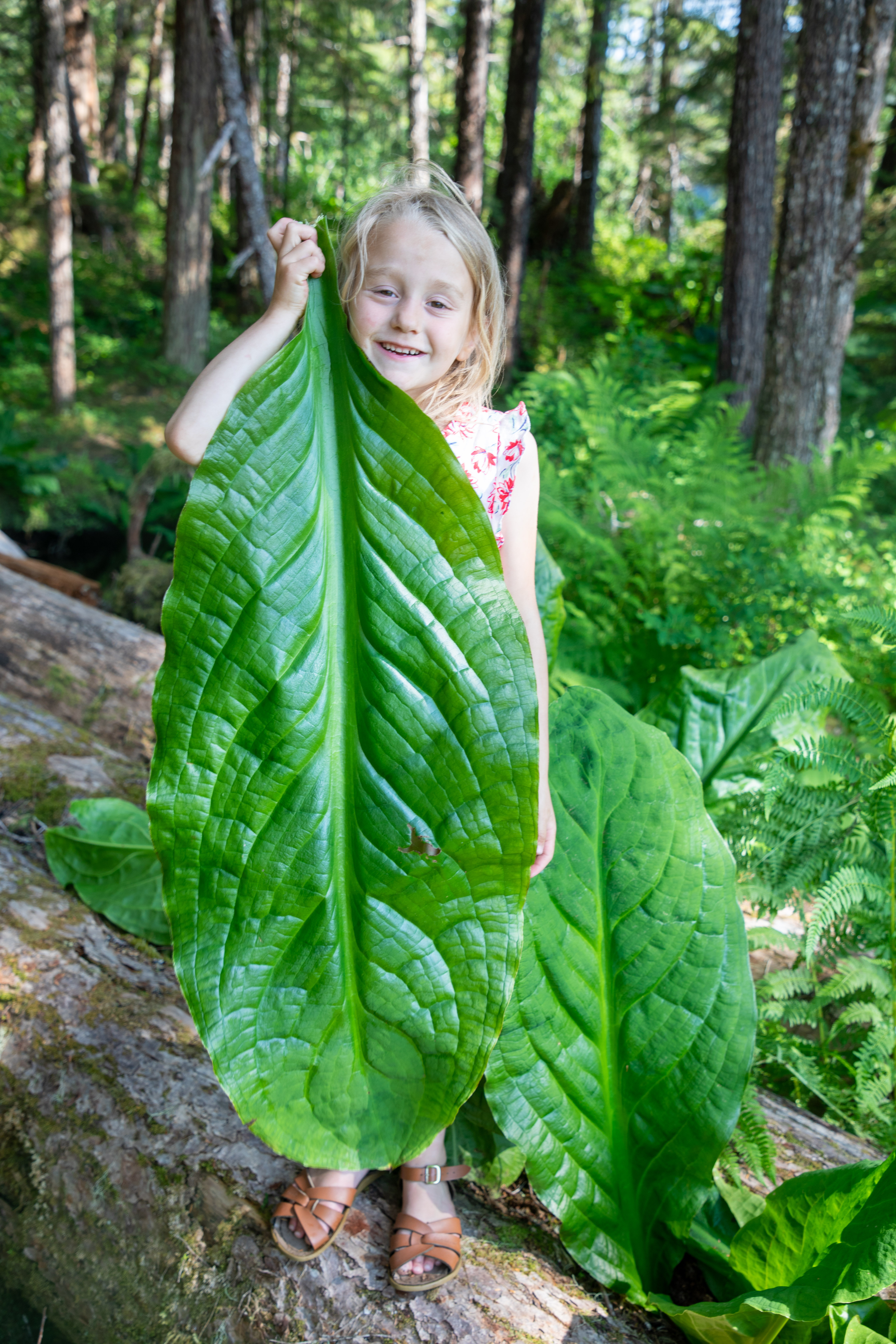
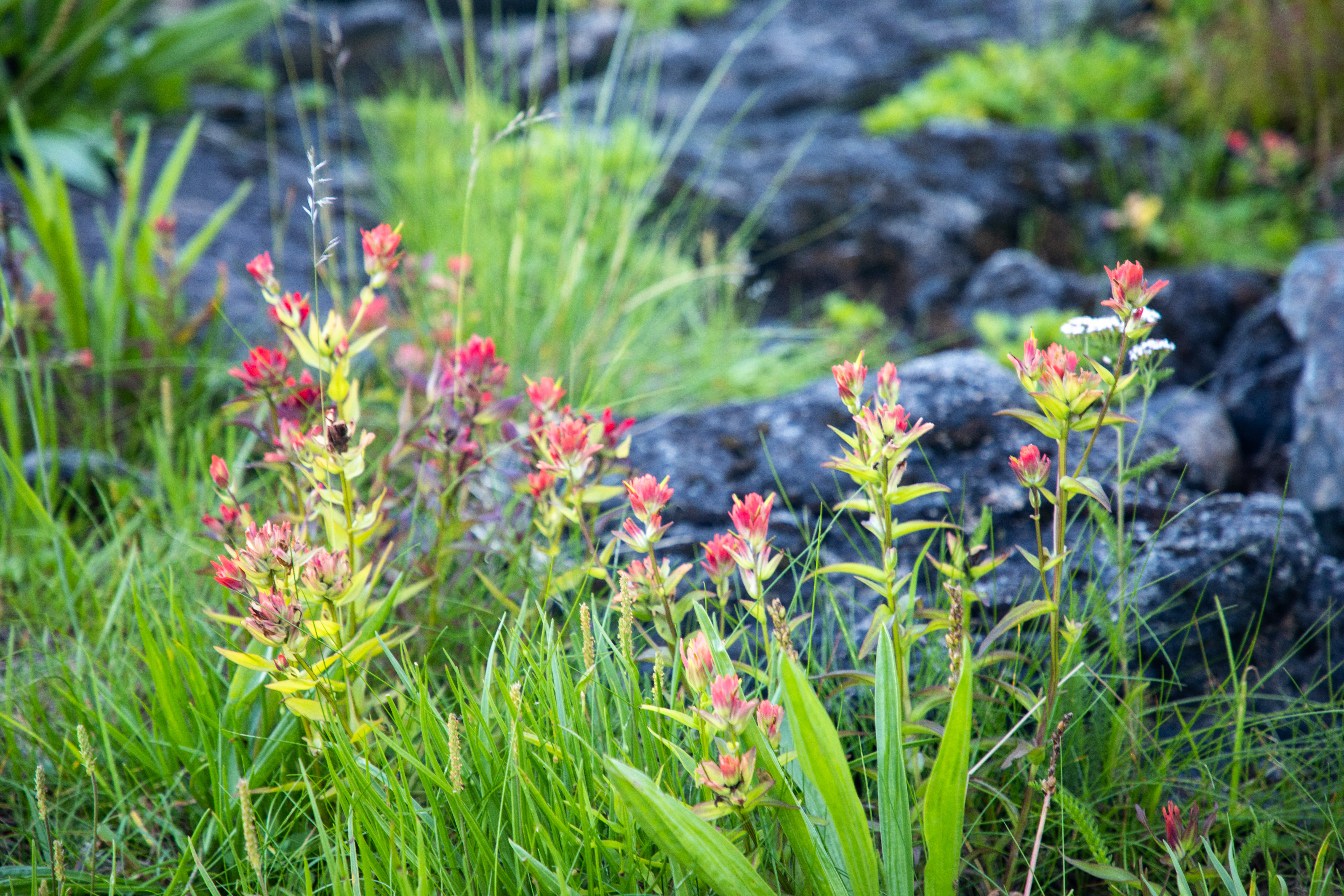
About the photos: It was a perfectly beautiful week, and we were able to go on multiple excursions to enjoy it! This included a fun and unexpected floatplane landing at the beach where we were swimming, and hike through the land of Giant Skunk Cabbage Leaves to scout out the Forest Service cabin on Control Lake for possible future use. We identified three new-to-me wildflower varieties: northern geranium and red burnet (paired in first picture), and bog candle or tall white bog orchid (picture #7).
“But I have trusted in Your loving devotion; my heart will rejoice in Your salvation.I will sing to the LORD, for He has been good to me.” (Psalm 13:5-6)
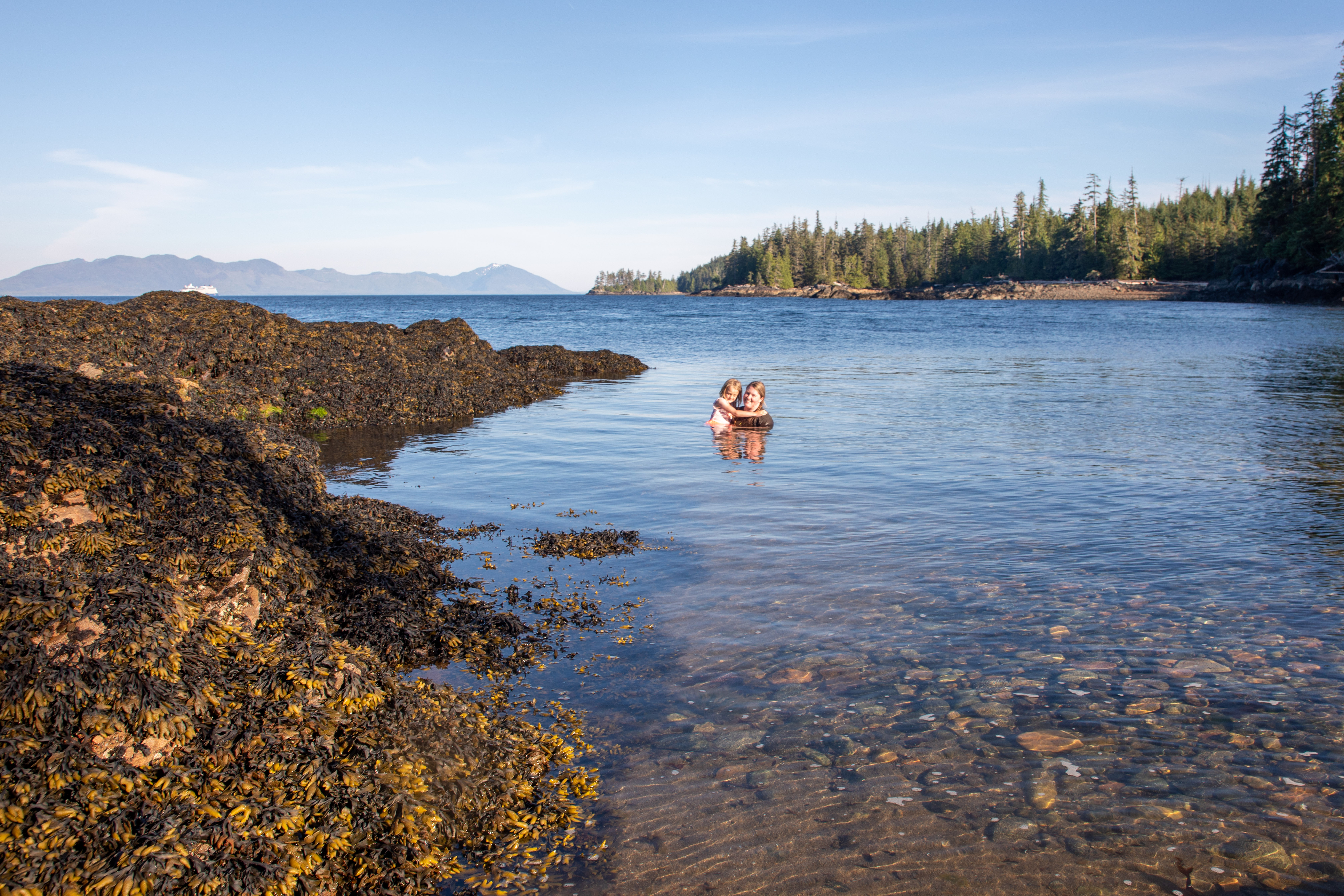
There are some capsules of time that are just sheer beauty and wonder. They’re the kind you always remember, the kind where you don’t even have to close your eyes to remember…
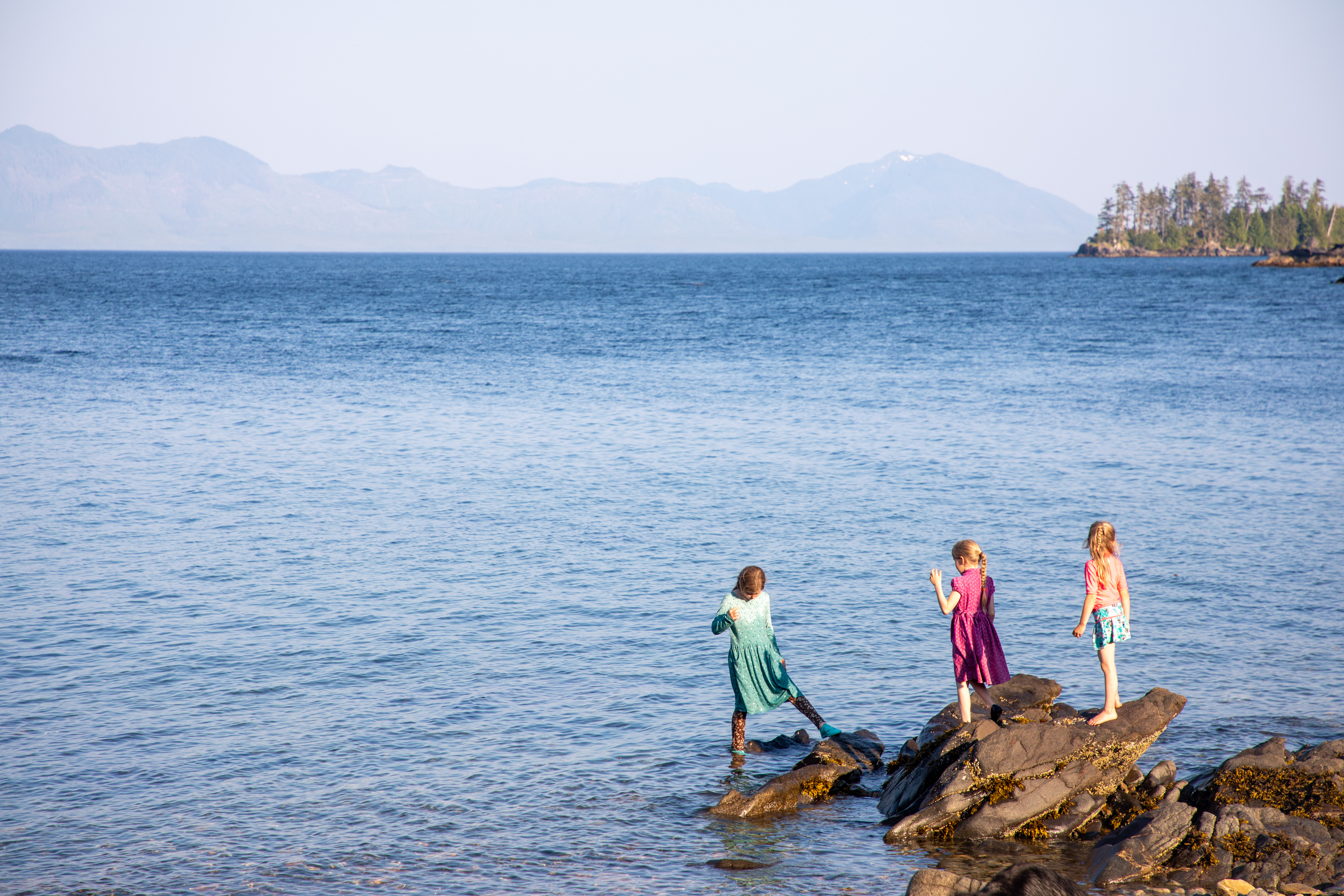
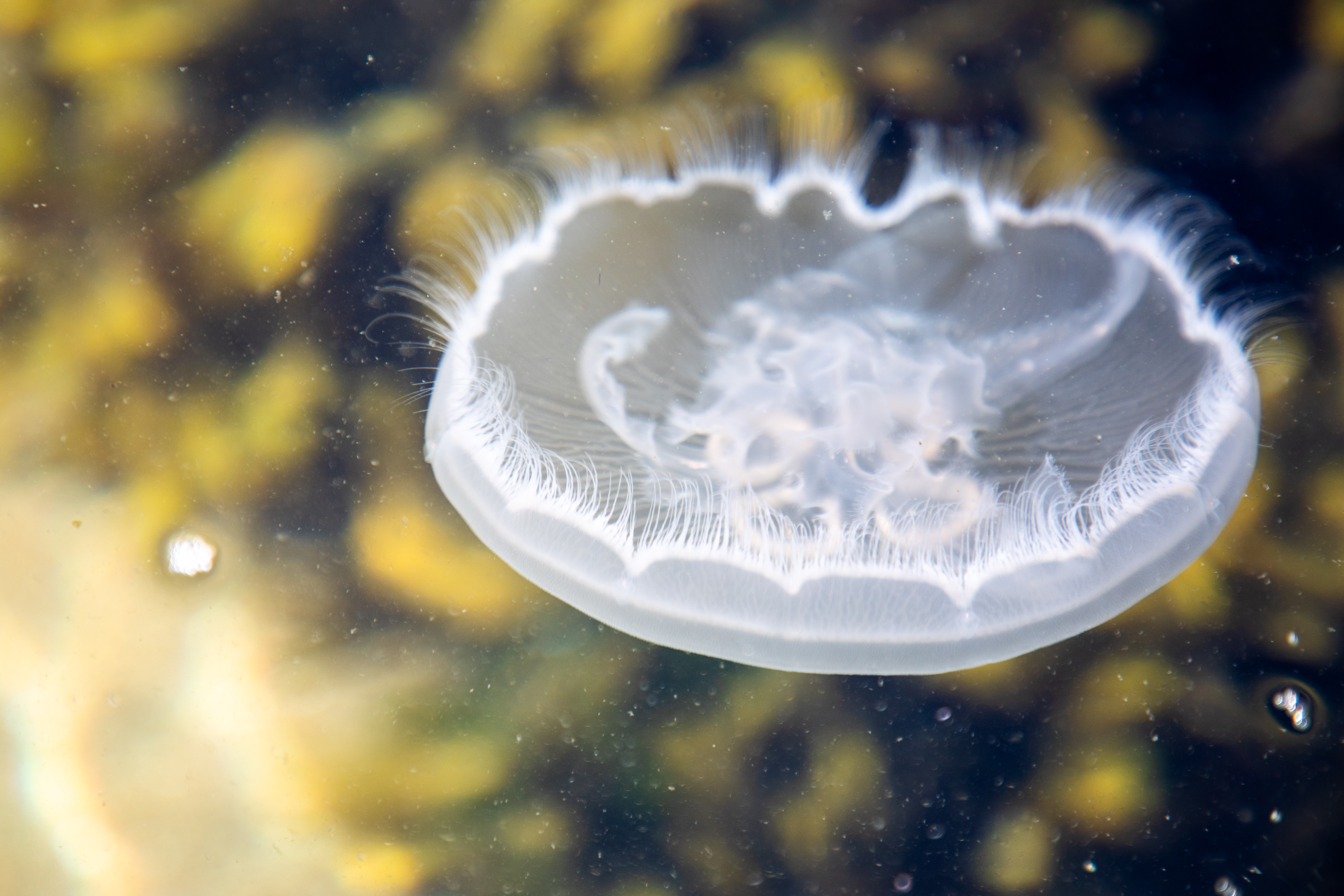
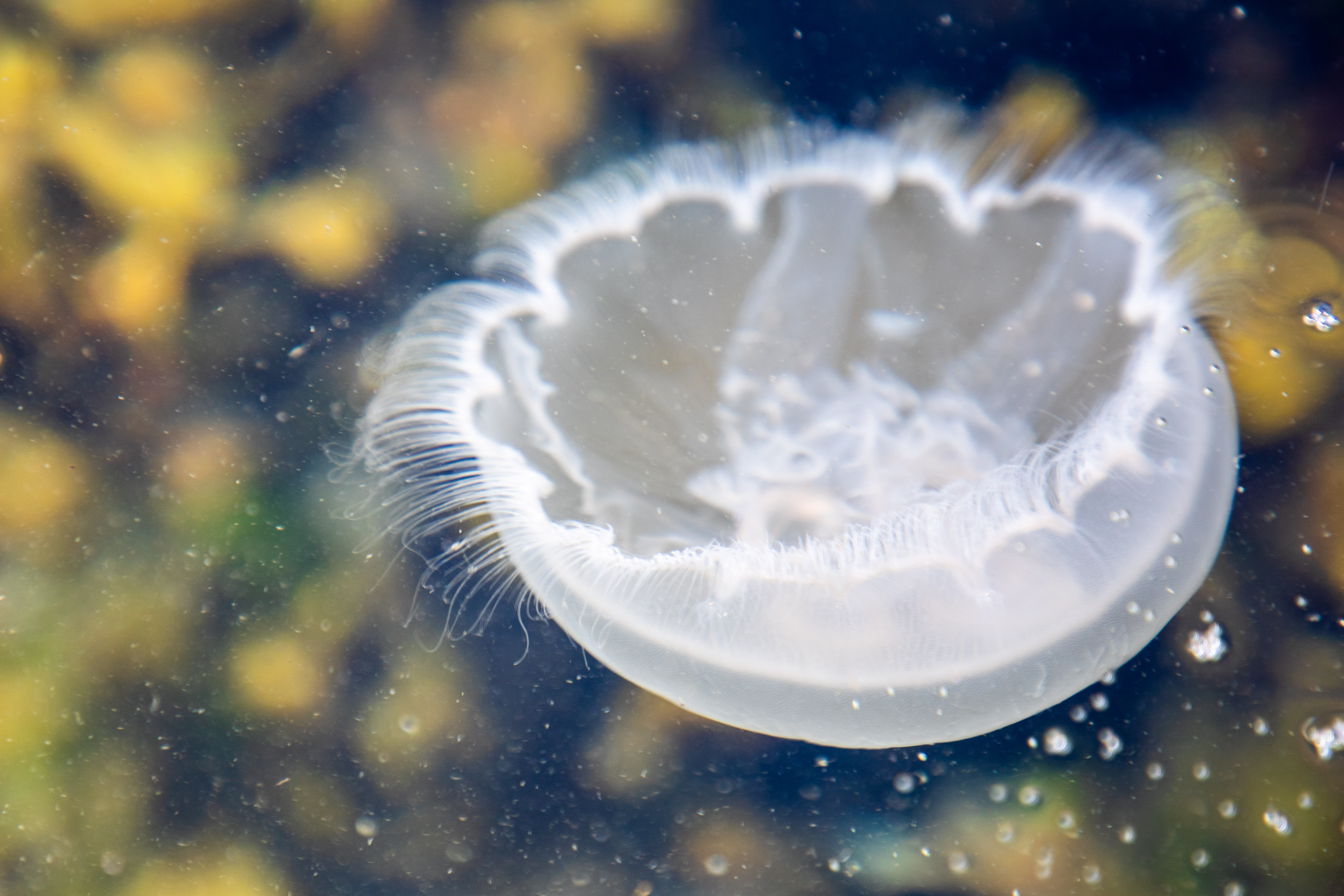
the wonder and delight of tiptoeing along through the water with the jellyfish swirling magically around you and purple starfish at your feet…
the way the waves of a passing cruise ship wanted to lift your feet right off the sand…
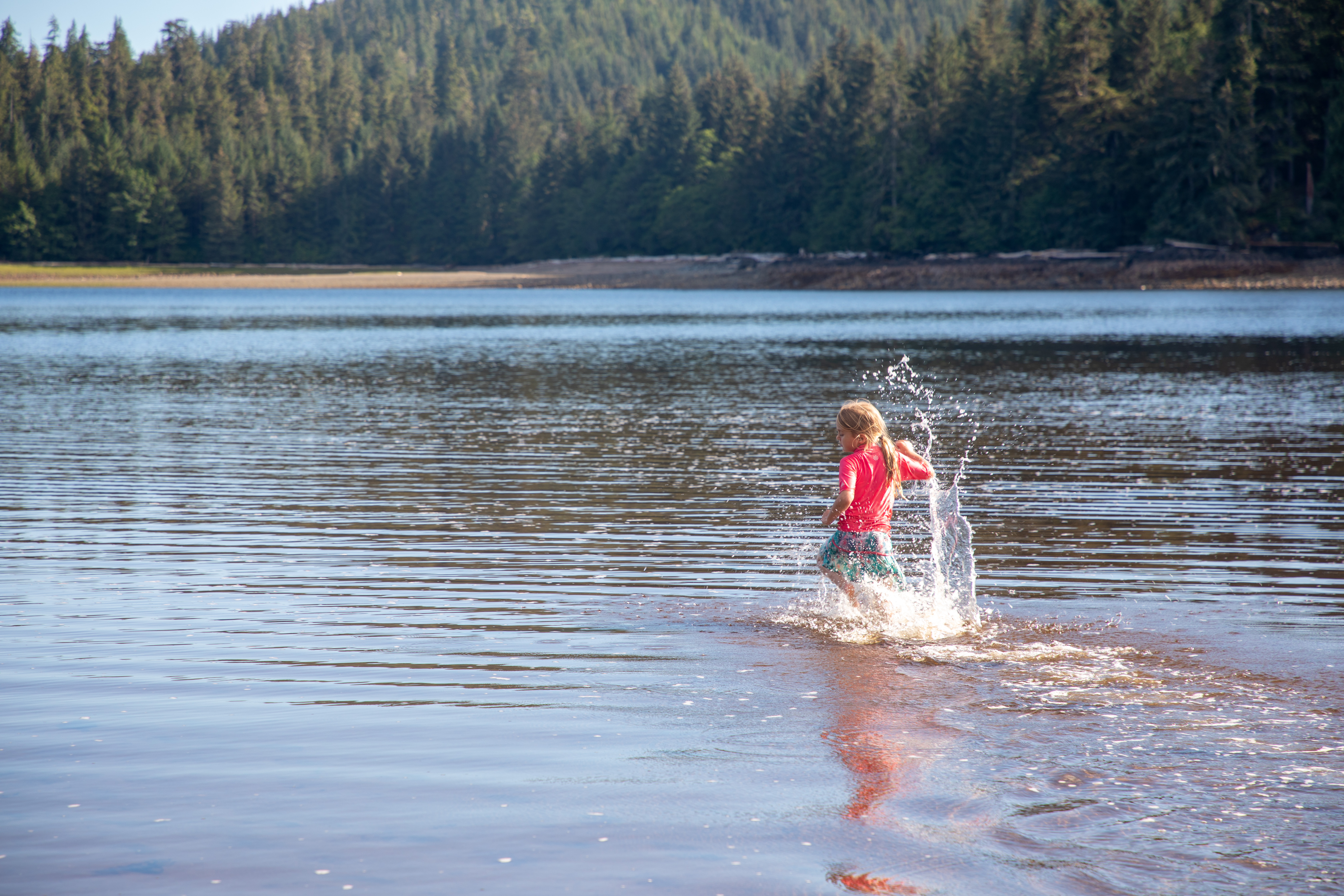
that exhilarating moment of plunging all the way in and listening to your children laugh in delight and come piling in after you…
the way your body tingled when you came up out of the cold ocean into the hot sunshine of a rare southeast Alaskan heatwave, and the way that feeling lasted for hours afterwards…
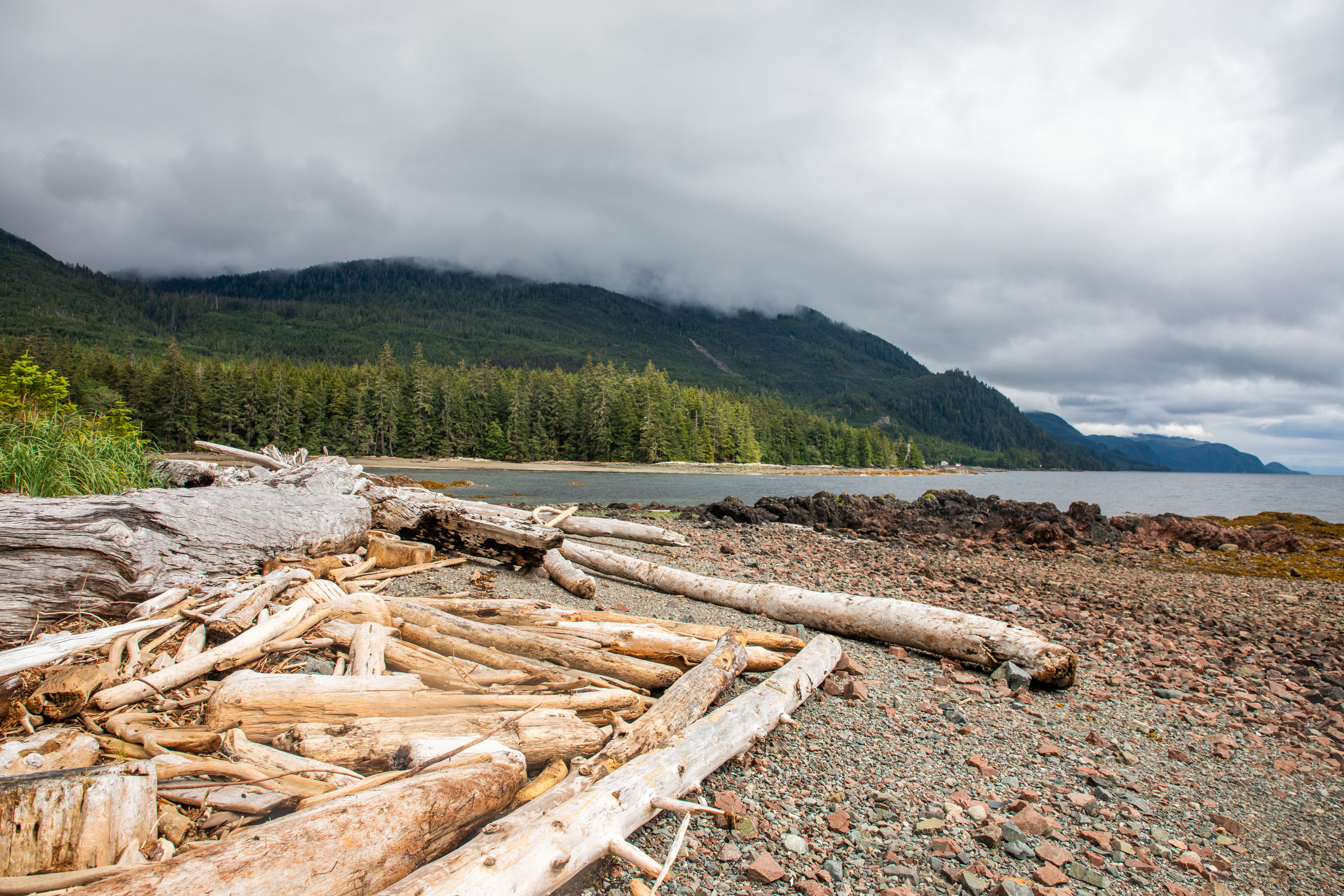
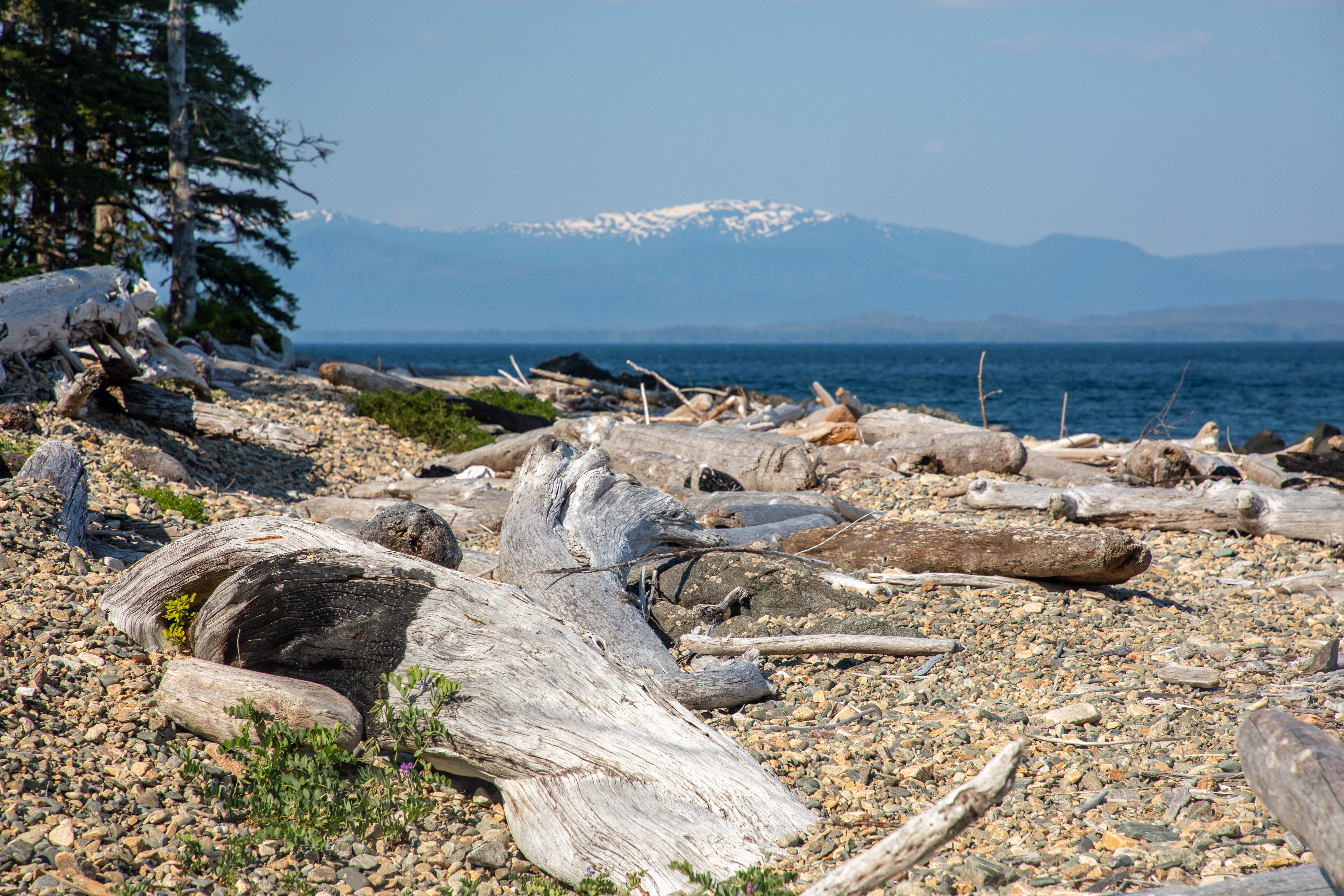
or the way the beach peas were trailing wild over the bleached driftwood when the sun sank to the treetops and you clambered down the pebbly bank to go home.
I think that those of us who live in the places where summer is fleeting are less likely to take it for granted. In some ways, I am grateful that it’s fleeting, because the beauty of it isn’t lost on me and I am not afraid to stop and savor it before the days slip through my fingers like sand, give way to autumn and winter, and are gone forever.
P.S. Yep, we’re swimming in our clothes. When you feel like swimming, but didn’t think to bring your swimsuit, one of the great delights and freedoms of life is that you don’t have to let that stop you.
Also—the clear jellies pictured here are lovely and harmless, but don’t worry—we kept our eyes open for the stinging varieties!
“There are many who say, “Who will show us some good?Lift up the light of your face upon us, O Lord!” You have put more joy in my heart than they have when their grain and wine abound.” (Psalm 4:6-7)












































 Rejoicing Hills