 Whether the calendar says so or not, the last day of August always seems like the last day of summer to me—and seeing that always makes me kind of sad. Nothing against fall or even the coming winter, mind you. I truly love the changing seasons. It’s just that summer in Minnesota is somehow just a little briefer than the other seasons, and I never quite manage to get in all the swimming and fresh peaches on ice cream that I want to before it’s time to pull out the sweaters and hot cocoa again.
As sort of a solace for this, I decided to look back over my photos from the summer months to remind myself of what we did do—and in the process, I found a rainbow. See if you can see it, too!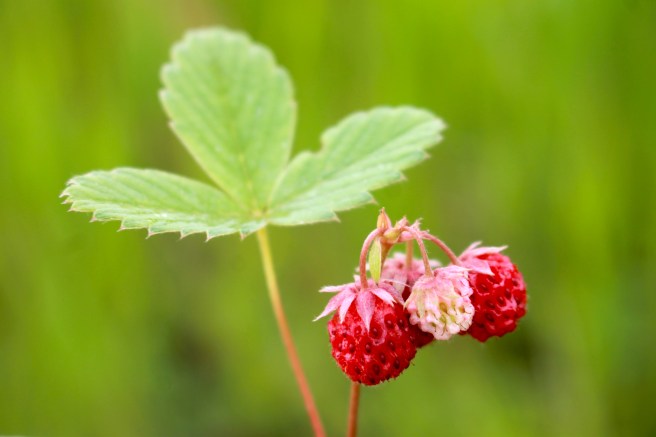

 Red is for ripe wild strawberries discovered along fence rows, sweet and warm with sunshine…
and roses outside of bakeries that smell of gingerbread…
and poppies along the chicken coop.
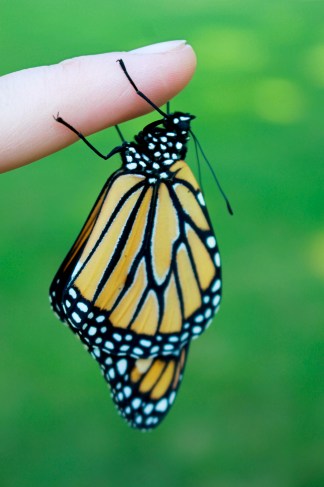
 Orange is for a monarch butterfly, minutes old, clinging trustingly to my wide-eyed daughter’s finger…
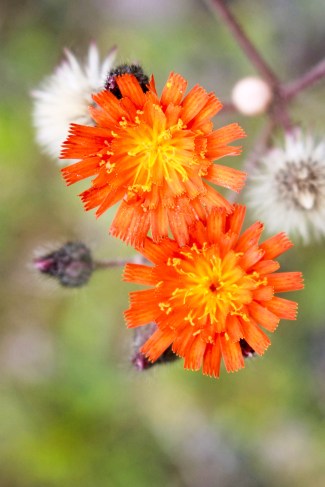
and the one weed in my yard that I don’t mind…
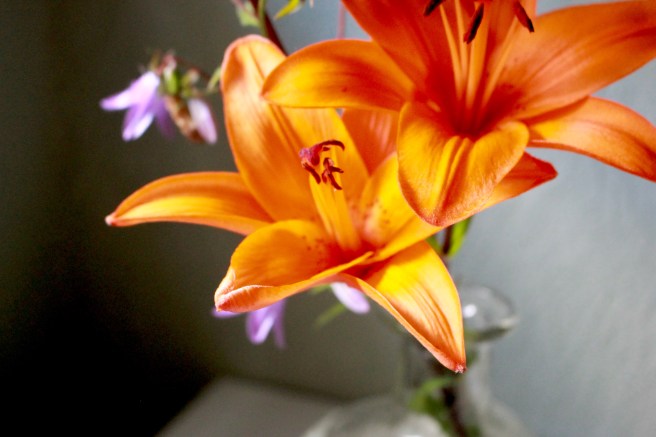
and flower arrangements in my mother-in-law’s bathroom.


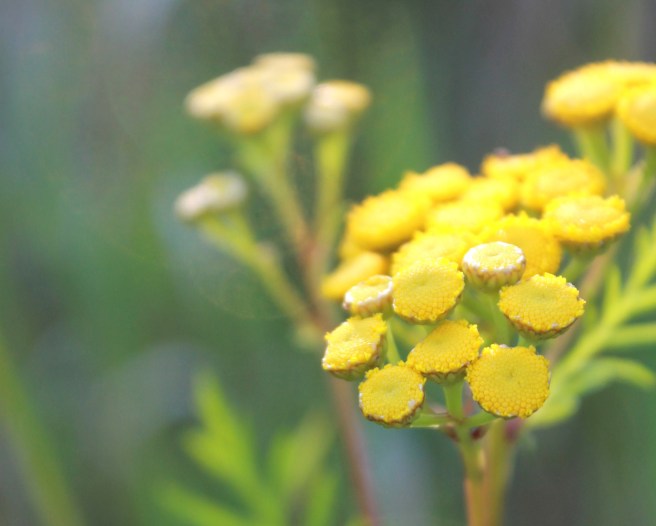 Yellow is for the elegant beards of irises…
and the freckled faces of the lilies along the porch…
and the not-quite-so showy roadside weeds that nevertheless delight the avid, amateur flower-pickers in my family.
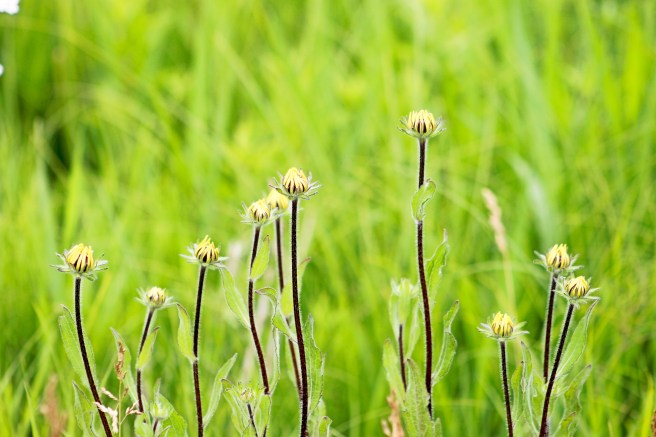
 Green is for sun-dappled woodland ferns…
and black-eyed Susans not quite open…
and water droplets on nasturtium leaves.
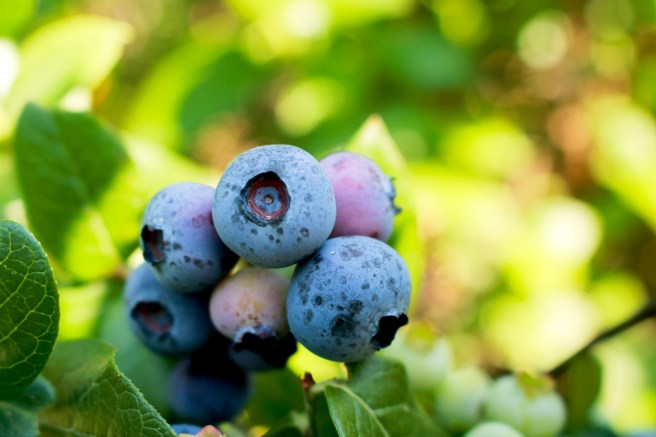
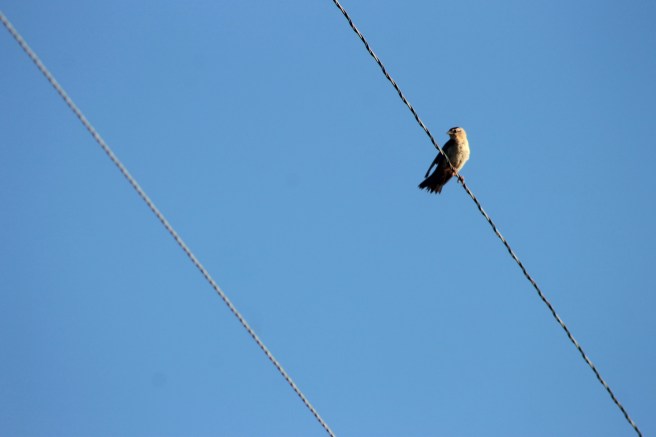 Blue is for swan families floating on riffles of water…
and plump round berries the color of the sky going plink-plunk in pails…
and bobolinks singing on telephone wires against the morning sky.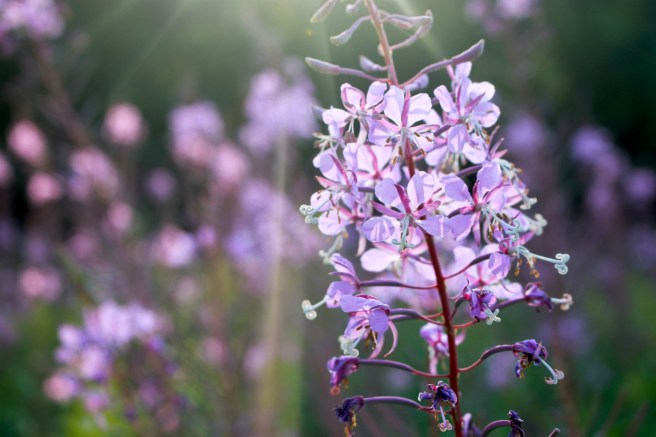

 Purple is for brilliant masses of fireweed…
and stormy skies at sunset…
and blue flags along the creek.
“You [O Lord] have established all the boundaries of the earth; You have made summer and winter.” (Psalm 74:17)
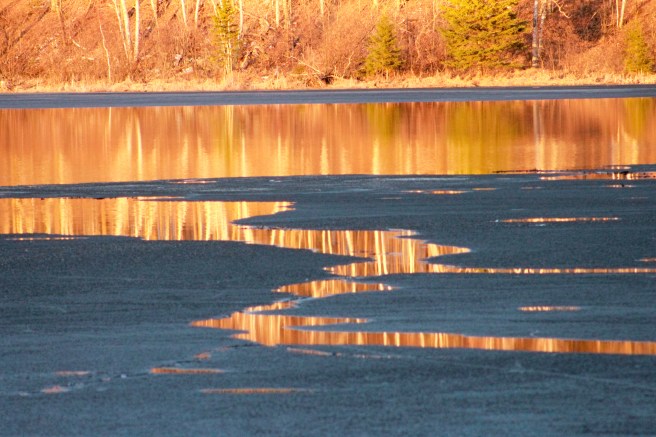 Every spring, there’s this short window of time, just before the ice goes out, in which there are little open areas of water around the edges of our lake. All the waterfowl congregates in these puddles and pools to forage for food and paddle around in one great companionable waiting game for the lake to open.
 The ducks and geese seem to have a mutual agreement that it’s a nice little community event, too, and mingle quite nicely.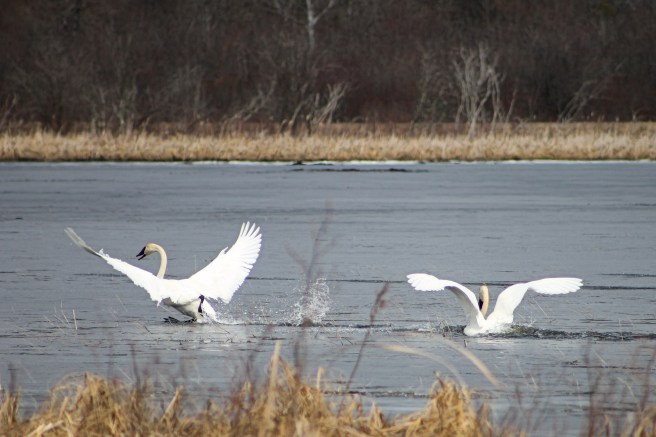
 Such a fuss we had from them, of fiercely territorial wing-flapping, neck-bobbing and trumpet-blasting, particularly when another pair of swans would come in for a landing (on a multi-daily basis). It was all very exciting, and we’re going to rather miss it now that the lake is open and the spring festival is over.
 The ice is in.
 Today, all was still and silent.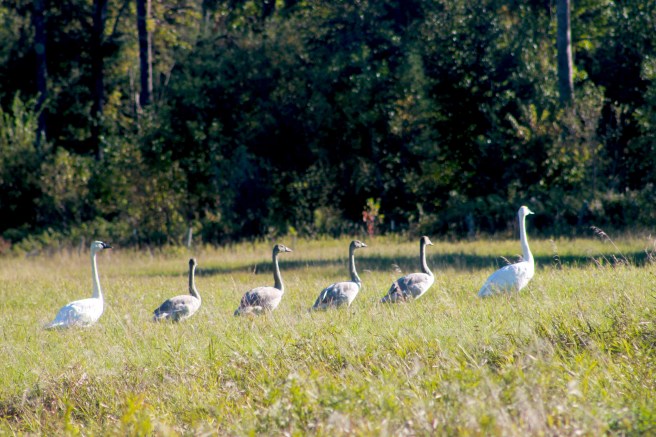
 They walked around the milk house, then past the barn. They paused briefly to flap their wings disapprovingly at the weeds in my garden, then continued on around the garage, and out into the hay field where they walked it’s length back and forth a couple times before finally filing back down to the shore of the lake where they came from. All this was carried out in complete order and dignified silence.
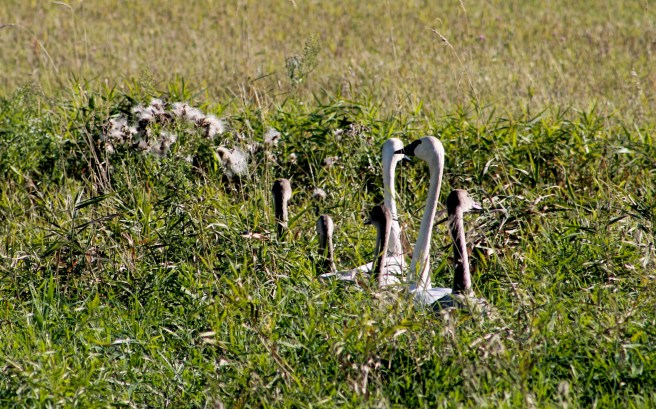 “Be imitators of God, therefore, as beloved children, and walk in love, just as Christ loved us and gave Himself up for us as a fragrant sacrificial offering to God.” (Ephesians 5:1-2)
 This week, our resident swan pair debuted their newest brood of offspring, parading them very proudly all the way around the lake (for all the neighbors to see, I presume). There are six cygnets, which might be their all-time record for family size!
 It’s been baby time everywhere we look outside lately—and then, finally, at 6:45, just after the pearly gray dawn of a Wednesday morning, it was our turn.
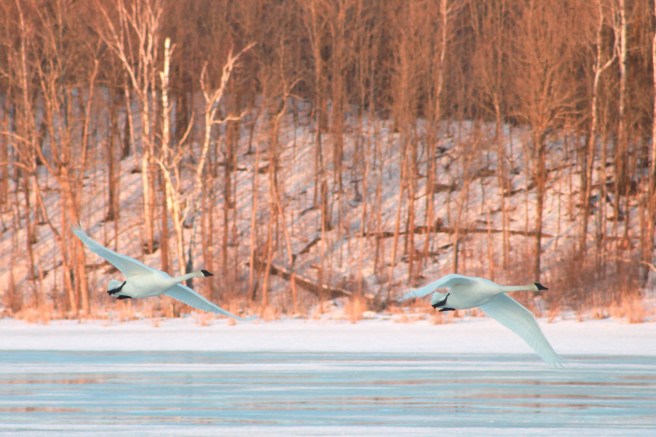 I must say that reading E.B. White’s whimsical classic, “The Trumpet of the Swan”, as a young girl did little to prepare me for hearing the real trumpet of a swan for the first time. Up until I got married, I had barely even seen a swan in the wild, let alone heard one. I thought it would be something like the honking of the Canadian geese that always flew over my childhood home in the spring and fall. I had no idea.
 Then, I got married and moved here—and the swans suddenly became an integral part of our lives. The first spring, we watched them perform their spectacular mating dances on the river outside of the front windows of the little resort cabin we called a temporary home. They showed up at our next home, too, where they nested on the lake our neighbors had access to. We never actually saw them, but the sound of their great beating wings and calls echoed over to us tantalizingly all summer long. And then we moved to our current home, and soon learned, to our great delight, that the little lake our farm bordered was the valiantly defended private nesting grounds of yet another pair of swans.
 I stopped what I was doing and just listened for a few minutes, thrilling to the sound. The silence of winter was over; the trumpeting prelude to the grand symphony of spring had officially begun. It was glorious!
 If you’ve ever tried photographing wildlife, you will understand what I mean when I say that unless your goal is to capture the animal as part of a larger scene, it’s pretty much a waste of time without a telephoto lens. Without one, animals usually scare off before you can get close enough to compose a decent shot. And that’s why I’ve felt sorely crippled photographically ever since my telephoto lens quit working two years ago.
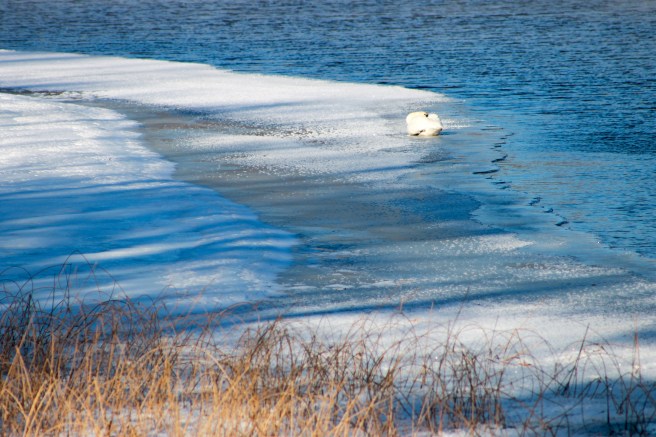 I clicked the lens into place before I got out of the car, and checked my camera settings, trying to guess accurately. Past experience with swans has taught me to be ready to snap quickly; they tend to be pretty wary of humans. I didn’t think this one would be flying away (it seems that an injured wing prevented it from leaving with the rest of it’s group in the fall), but I still didn’t want it to go paddling off in alarm and leave the great lighting and position it was currently in.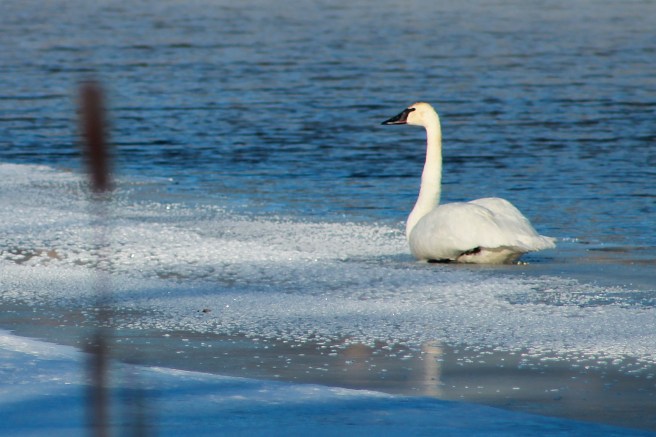
 It felt like I had been given new eyes.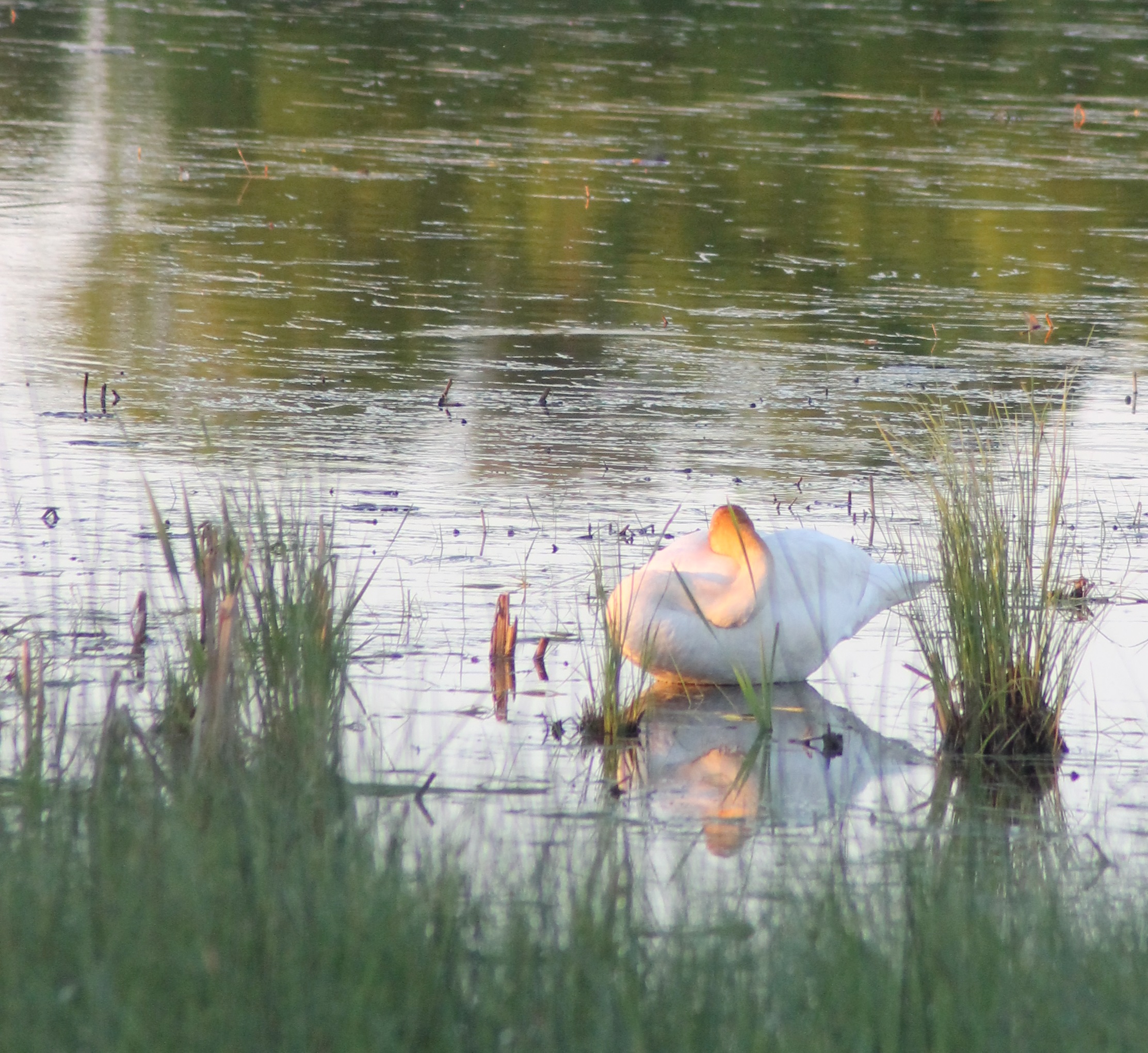

 Rejoicing Hills